BIBLE VERSE STUDY
Numbers 35:33-34 — Bloodguilt and the Holy Land
Numbers 35:33-34 closes the chapter on cities of refuge by grounding Israel's laws against murder in the theology of bloodguilt and the divine presence in the land.
Scripture
33So ye shall not pollute the land wherein ye are: for blood, it polluteth the land; and no expiation can be made for the land for the blood that is shed therein, but by the blood of him that shed it.
34And thou shalt not defile the land which ye inhabit, in the midst of which I dwell: for I, Jehovah, dwell in the midst of the children of Israel.
What this passage means
These two verses state the theological reason behind the legal procedures just laid out. The preceding rules forbid ransom for the life of a murderer (v. 31) and for a fugitive seeking to leave his asylum before the priest's death (v. 32). Verses 33-34 explain why no such commutation is possible: the land itself is stained by the blood that has been wrongly poured out in it, and the only cleansing is the blood of the one responsible. The passage reads, "So ye shall not pollute the land wherein ye are: for blood, it polluteth the land; and no expiation can be made for the land for the blood that is shed therein, but by the blood of him that shed it." No monetary substitute, no exile, no lesser penalty can lift the defilement; the punishment must fit the crime in kind.
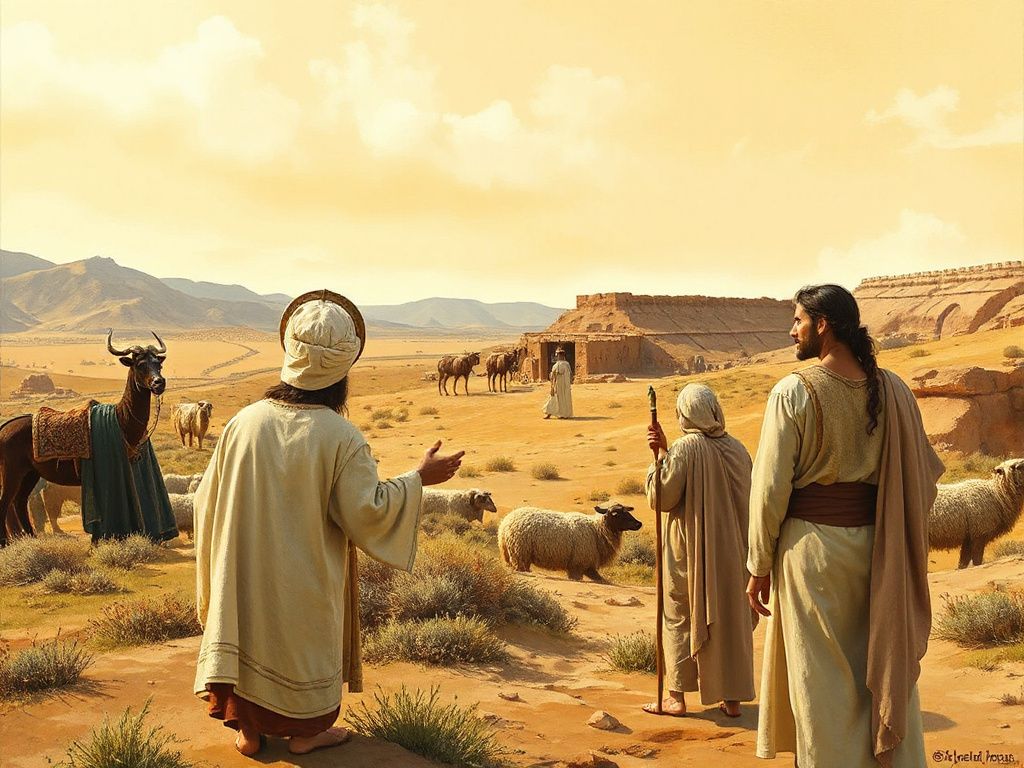
Verse 34 then ties the warning to God's presence. Israel is told, "thou shalt not defile the land which ye inhabit, in the midst of which I dwell: for I, Jehovah, dwell in the midst of the children of Israel." The land is not ordinary ground; it is the place where Jehovah has chosen to reside among his people. To pollute it by unexpiated blood is to intrude a stain into the very space where God dwells, which is why the matter is treated with such gravity.
Together the two verses form a hinge between the procedural section (the cities of refuge, the role of witnesses, the avenger of blood) and the larger theology of Numbers. The legal system is not presented as a cold mechanism; it is grounded in the holiness of a land where the presence of Jehovah meets the reality of human violence. The chapter's final word is therefore not about flight or trial, but about the moral condition of the land itself.
Context
Numbers 35 as a whole covers two related topics: the allocation of forty-eight cities for the Levites (vv. 1-8) and the establishment of six cities of refuge across the Jordan and in Canaan for those who kill unintentionally (vv. 9-34). Verses 16-29 distinguish the deliberate murderer, who must die, from the unwitting manslayer, who is protected inside his city of refuge until the high priest's death. Verses 30-32 then set the evidentiary and financial rules: one witness is insufficient, ransom is forbidden for a murderer, and ransom is forbidden for a fugitive trying to return before the priest's death.
Verses 33-34 function as the chapter's closing rationale. After all the cases and procedures, the text returns to the underlying reality: the land that Israel is about to enter is the place where Jehovah dwells. The instructions about blood, witnesses, and asylum are not merely civic; they protect the holiness of a land where sin has consequences reaching beyond the people involved.
Common questions
Why does Numbers 35 say only the murderer's blood can atone for the land?
Because the verse presents bloodguilt as a stain that nothing less than equivalent punishment can remove. The text reads, "no expiation can be made for the land for the blood that is shed therein, but by the blood of him that shed it," ruling out ransom or lesser substitutes that the preceding verses (vv. 31-32) had already forbidden.
How is verse 34 connected to God's presence among Israel?
The verse makes the land's holiness depend on God's dwelling there: "thou shalt not defile the land which ye inhabit, in the midst of which I dwell: for I, Jehovah, dwell in the midst of the children of Israel." Defilement by blood therefore offends not only human victims but the God who resides in that same space.
What is the relationship between Numbers 35:33-34 and the cities of refuge?
The verses close the chapter by providing the theological ground for the entire legal section. The cities of refuge (vv. 6, 11-15), the rules for the avenger of blood (vv. 19-28), and the bans on ransom (vv. 31-32) all serve one purpose stated at the end: preventing unexpiated blood from polluting the land where Jehovah dwells.