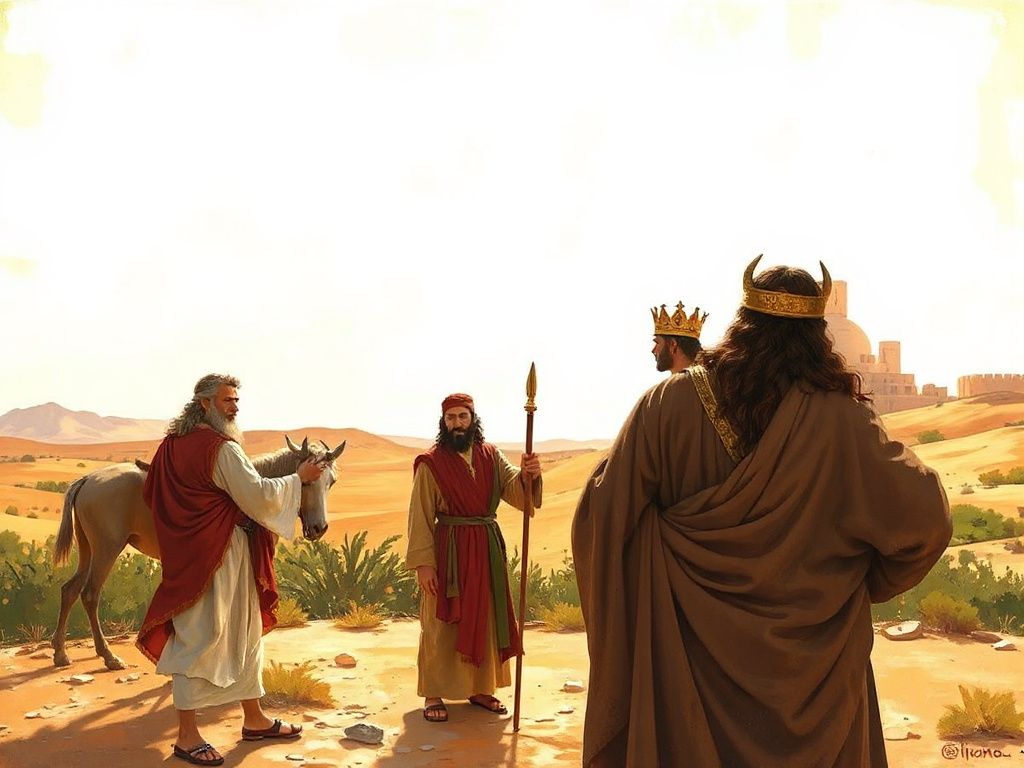
ESTUDIO DEL VERSÍCULO
1 Reyes 8:27 — Dios no puede ser contenido
Salomón confiesa que ningún espacio en la creación, ni siquiera el cielo más alto, puede contener a Dios, de modo que el templo que edificó no puede alojarlo en un sentido físico.
Escritura
- 27.Pero ¿es verdad que Dios morará sobre la tierra? He aquí que los cielos, los cielos de los cielos, no te pueden contener; ¿cuánto menos esta casa que yo he edificado?But will God in very deed dwell on the earth? behold, heaven and the heaven of heavens cannot contain thee; how much less this house that I have builded!
Qué significa este pasaje
La pregunta de Salomón en 1 Reyes 8:27 — «Pero ¿es verdad que Dios habitará en la tierra?» — es retórica. No está dudando de la promesa de Dios; está maravillándose ante la idea misma de que el Creador de todas las cosas se digne a relacionarse con un lugar específico de la tierra. La fuerza retórica del versículo depende del contraste entre la infinitud divina y la construcción humana.
«He aquí que los cielos y los cielos de los cielos no te pueden contener» apila el cielo más alto posible sobre el cielo ordinario para expresar la ilimitación espacial. Salomón reconoce que aun si uno imagina niveles de cielos que se elevan más allá del firmamento visible, ninguno de ellos sería lo suficientemente grande para contener la plenitud de Dios. No se trata de una abstracción filosófica; es la premisa desde la cual pedirá a Dios que, no obstante, escuche la oración dirigida hacia el templo.
«¿Cuánto menos esta casa que yo he edificado?» extrae la conclusión lógica: si el cielo más alto no puede contener a Dios, entonces certainly un edificio de piedra y cedro tampoco puede. Salomón confiesa así que el templo no es la morada literal de Dios, sino un lugar donde estará su «nombre», un punto de encuentro para la oración. El versículo redefine así el propósito del templo, pasando de morada a foco de oración.
Contexto
El versículo se sitúa en el punto de giro de la oración de dedicación de Salomón en 1 Reyes 8. Los versículos 23–26 afirman la fidelidad de Dios al pacto con David, pidiendo que su palabra sea verificada. Inmediatamente después de esta confesión de la infinitud de Dios en el versículo 27, Salomón gira en los versículos 28–30 para pedir que Dios, no obstante, atienda las oraciones ofrecidas hacia el templo, locating su «nombre» allí y escuchando desde el cielo. Toda la oración que sigue (vv. 31–53) se estructura sobre la premisa que Salomón acaba de enunciar: dado que Dios no puede ser confinado, debe pedírsele que actúe desde el cielo en respuesta a las peticiones dirigidas hacia la casa.
El capítulo en su conjunto presenta el templo de Salomón como el lugar donde el arca del pacto (vv. 1–9) ha sido instalada y donde la nube de gloria ha llenado el edificio (vv. 10–11). Salomón ya ha declarado que ha edificado «una casa de morada, un lugar para que tú habites para siempre» (v. 13), sin embargo, 8:27 matiza esa afirmación: el edificio no es un recipiente literal, sino un foco designado para la atención divina. Esta misma lógica reaparece en la observación posterior de Salomón en el versículo 30, que la «morada» de Dios está en el cielo, aunque sus ojos estén abiertos hacia el templo en la tierra.
Preguntas frecuentes
¿Está dudando Salomón de la promesa de Dios en 1 Reyes 8:27?
No. El versículo es una confesión retórica de asombro, no de duda. Salomón acaba de pedir a Dios que verifique su palabra a David (v. 26). Su «¿es verdad que Dios habitará?» se maravilla de que el Creador infinito se relacione con cualquier lugar terrenal, y prepara su petición de que Dios, no obstante, escuche la oración dirigida hacia el templo.
¿Qué significa «los cielos de los cielos»?
La expresión hebrea apila cielo sobre cielo para transmitir la máxima extensión concebible del firmamento creado. Salomón la usa para argumentar que ningún espacio creado, por vasto que sea, puede contener la plenitud de Dios, lo que hace que el templo sea con mayor claridad un punto de encuentro designado rather than un recipiente.
Si Dios no puede ser contenido, ¿por qué edificó Salomón el templo?
Según el propio capítulo, el templo existe para que el «nombre» de Dios esté allí (vv. 29, 43, 44) y para que las oraciones «hacia este lugar» sean escuchadas desde el cielo (vv. 29–30). La propia confesión de Salomón en el versículo 27 redefine el edificio: no es la dirección de Dios, sino el foco terrenal de la oración que asciende al cielo.