ESTUDIO DEL VERSÍCULO
1 Samuel 28:19 — La profecía de Samuel sobre la muerte de Saúl
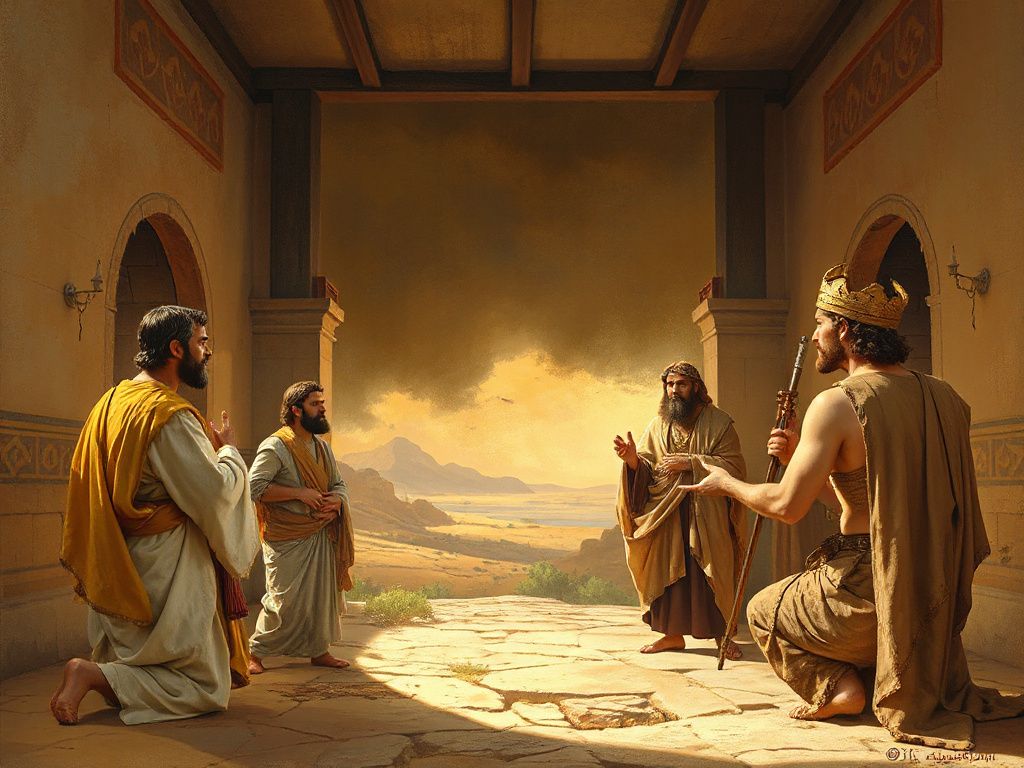
En 1 Samuel 28:19, el espíritu de Samuel declara que Saúl, sus hijos y el ejército de Israel serán entregados a los filisteos al día siguiente.
Escritura
- 19.Y Jehová entregará a Israel también contigo en manos de los filisteos; y mañana estaréis conmigo, tú y tus hijos; y Jehová entregará también al ejército de Israel en mano de los filisteos.Moreover Jehovah will deliver Israel also with thee into the hand of the Philistines; and to-morrow shalt thou and thy sons be with me: Jehovah will deliver the host of Israel also into the hand of the Philistines.
Qué significa este pasaje
El versículo presenta el elemento culminante del mensaje de Samuel: una predicción específica de derrota para el día siguiente. La repetición de 'Jehová entregará' vincula esta profecía directamente con el Dios del pacto que anteriormente había arrancado el reino de la mano de Saúl (v. 17) por su fracaso contra Amalec (v. 18). La derrota no se presenta como una contingencia militar, sino como una sentencia divina: los filisteos son лишь el instrumento mediante el cual Jehová ejecuta el juicio.
Se le dice a Saúl que él y sus hijos estarán 'conmigo', es decir, que se unirán a los muertos en el Seol al día siguiente. Esta es la consecuencia inmediata del versículo 17: el reino ya ha sido entregado a David, y ahora las vidas físicas de Saúl y su descendencia están predestinadas a caer en la batalla venidera. La declaración de muerte para los hijos junto con el rey anticipa el fin de la dinastía de Saúl de un solo golpe.
La cláusula 'Jehová entregará también el ejército de Israel en mano de los filisteos' amplía el juicio más allá de Saúl personalmente. El ejército que Saúl reunió en Gilboa (v. 4) compartirá su suerte. El versículo completa así el arco desde la desobediencia individual hasta la consecuencia colectiva: el fracaso unilateral de Saúl al no ejecutar la ira del Señor sobre Amalec trae un desastre nacional al cierre de su reinado.
Contexto
El capítulo 28 sitúa a Saúl en la víspera de una guerra contra los filisteos. Privado de la guía divina —Jehová no le responde 'ni por sueños, ni por Urim, ni por profetas' (v. 6)— visita en secreto a la mujer de Endor y le pide que invoque a Samuel. A pesar de los edictos anteriores que habían expulsado a los médiums de la tierra (v. 3), Saúl busca un canal de revelación prohibido en su desesperación.
Los versículos 16-18 constituyen el fundamento teológico del versículo 19. Samuel explica que Dios se ha apartado y se ha convertido en adversario de Saúl, que el reino ha sido transferido a David y que la causa raíz es la desobediencia respecto a Amalec. El versículo 19 entonces expone la consecuencia concreta en el campo de batalla. Tras la profecía, Saúl cae exhausto (v. 20), y la mujer de Endor, al reconocer su angustia, lo persuade a comer antes de que se marche (vv. 21-25).
Preguntas frecuentes
¿Por qué dice Samuel que Saúl y sus hijos estarán 'con él'?
En el contexto de 1 Samuel 28, 'conmigo' se refiere al Seol, el reino de los muertos. Samuel está anunciando que Saúl y sus hijos morirán y se unirán a los difuntos al día siguiente como parte de la derrota predicha.
¿Cómo se relaciona este versículo con el juicio anterior contra Saúl?
El versículo 19 es el cumplimiento concreto del juicio anunciado en los versículos 17-18. El reino ya había sido arrancado a Saúl por no ejecutar la ira del Señor sobre Amalec; el versículo 19 ahora especifica que el mismo Saúl, sus hijos y el ejército caerán ante los filisteos.
¿El versículo 19 se dirige únicamente a Saúl de manera personal?
No. Aunque la primera cláusula nombra específicamente a Saúl y sus hijos, la cláusula final amplía el juicio a 'el ejército de Israel', es decir, al ejército reunido en Gilboa, que también será entregado a los filisteos.