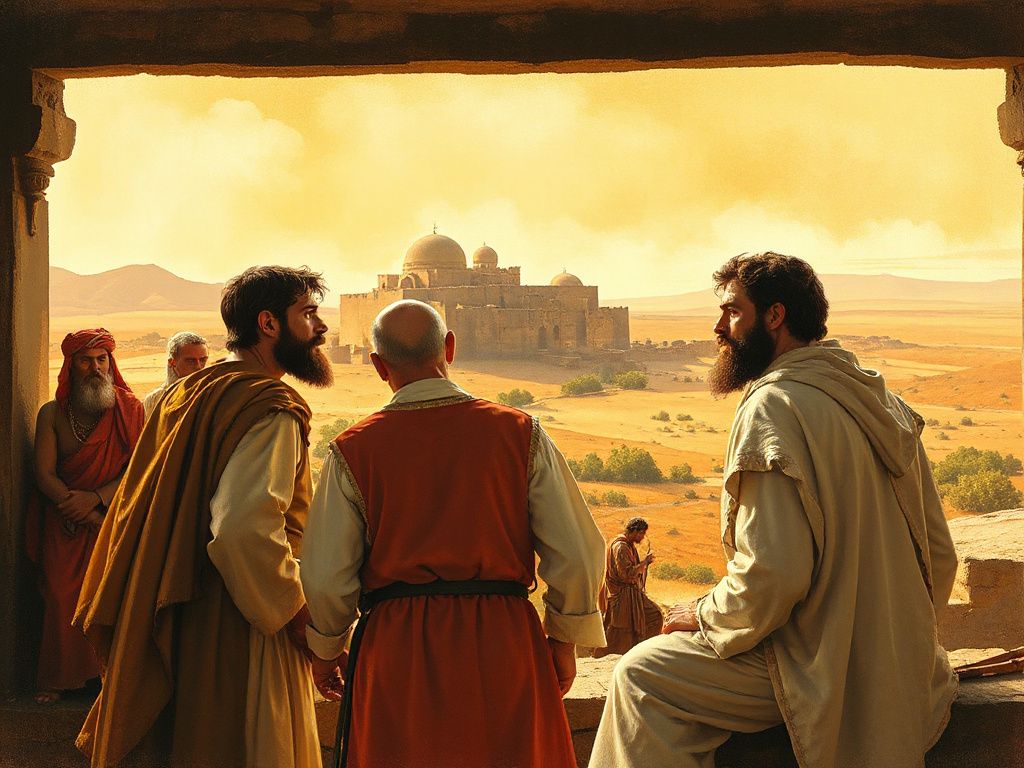
ESTUDIO DEL VERSÍCULO
2 Samuel 24:17 — David intercede por el rebaño
Después de ver al ángel del Señor hiriendo al pueblo, David confiesa su culpa y suplica que Dios dirija el juicio hacia él y la casa de su padre en lugar del rebaño inocente.
Escritura
- 17.Y David dijo a Jehová, cuando vio al ángel que destruía al pueblo: Yo pequé, yo hice la maldad; ¿qué hicieron estas ovejas? Te ruego que tu mano se vuelva contra mí, y contra la casa de mi padre.And David spake unto Jehovah when he saw the angel that smote the people, and said, Lo, I have sinned, and I have done perversely; but these sheep, what have they done? let thy hand, I pray thee, be against me, and against my father's house.
Qué significa este pasaje
2 Samuel 24:17 registra la respuesta hablada de David en el momento en que ve al ángel de Jehová golpeando al pueblo. El versículo se presenta como una dirección directa a Dios en tiempo real, no como una oración posterior de reflexión. David habla desde un punto de vista visible del juicio que se está desplegando, lo que hace que esta confesión sea un acto público y pastoral en lugar de uno privado.
El corazón de la confesión de David es el contraste que establece: 'He aquí, yo he pecado, y yo he hecho perversamente; pero estas ovejas, ¿qué han hecho?' Utiliza lenguaje de pastor para el pueblo, posicionándose como el líder responsable e Israel como aquellos bajo su cuidado. La súplica que sigue — 'sea ahora tu mano contra mí, te ruego, y contra la casa de mi padre' — es una oferta de llevar la consecuencia él mismo, sustituyendo su propia casa por la nación entera.
El versículo presenta por tanto a David como un rey que acepta la responsabilidad por la catástrofe que provocó su censo. No minimiza el pecado ('pequé', 'he hecho perversamente'), no culpa al pueblo y no negocia las condiciones; simplemente pide que el golpe caiga sobre el que lo causó. Este es el clímax moral de la secuencia de arrepentimiento del capítulo.
Contexto
El capítulo enmarca la confesión de David dentro de una secuencia de juicio escalonado. Después del censo, David ya había admitido: 'He pecado en gran manera… he hecho muy neciamente' (v. 10). Dios entonces le ofreció tres opciones por medio de Gad (vv. 12–13), y David escogió caer en la mano de Jehová 'porque sus misericordias son grandes' (v. 14). La peste elegida mató a setenta mil desde Dan hasta Beer-seba (v. 15), y cuando el ángel extendió su mano hacia Jerusalén, Dios dijo: 'Basta; detén ahora tu mano' (v. 16). El versículo 17 es la respuesta de David precisamente en el momento en que el ángel se detiene.
Los versículos 18–25 resuelven luego la crisis en la era de Arauna el jebuseo: Gad indica a David que edifique allí un altar, David compra el sitio en lugar de ofrecer lo que no le cuesta nada, y 'Jehová fue propicio a la tierra, y la plaga fue detenida de sobre Israel' (v. 25). La confesión intercesora del versículo 17 se sitúa entre la detención del juicio y la construcción del altar que pone fin a la plaga.
Preguntas frecuentes
¿Por qué David llama al pueblo 'ovejas'?
La imagen del pastor presenta a David como el líder responsable e Israel como aquellos colocados bajo su cuidado. Subraya su convicción de que el pueblo inocente no debería estar pagando por la transgresión del líder.
¿Qué pecado está confesando David aquí?
El capítulo identifica el pecado como el haber censado a Israel (vv. 1–10). El versículo 17 es su confesión pronunciada públicamente en el momento en que se está ejecutando el castigo que él escogió, de modo que la confesión que hace aquí es la misma que pronunció por primera vez en privado en el versículo 10.
¿Por qué pide el juicio sobre sí mismo y la casa de su padre?
David pide que las consecuencias caigan sobre el responsable —él y su linaje— en lugar de sobre el pueblo más amplio que no autorizó el censo. La petición es un acto de responsabilidad sustitutiva, no una renuncia; va seguida inmediatamente por su acción obediente de edificar un altar donde Dios le indica.