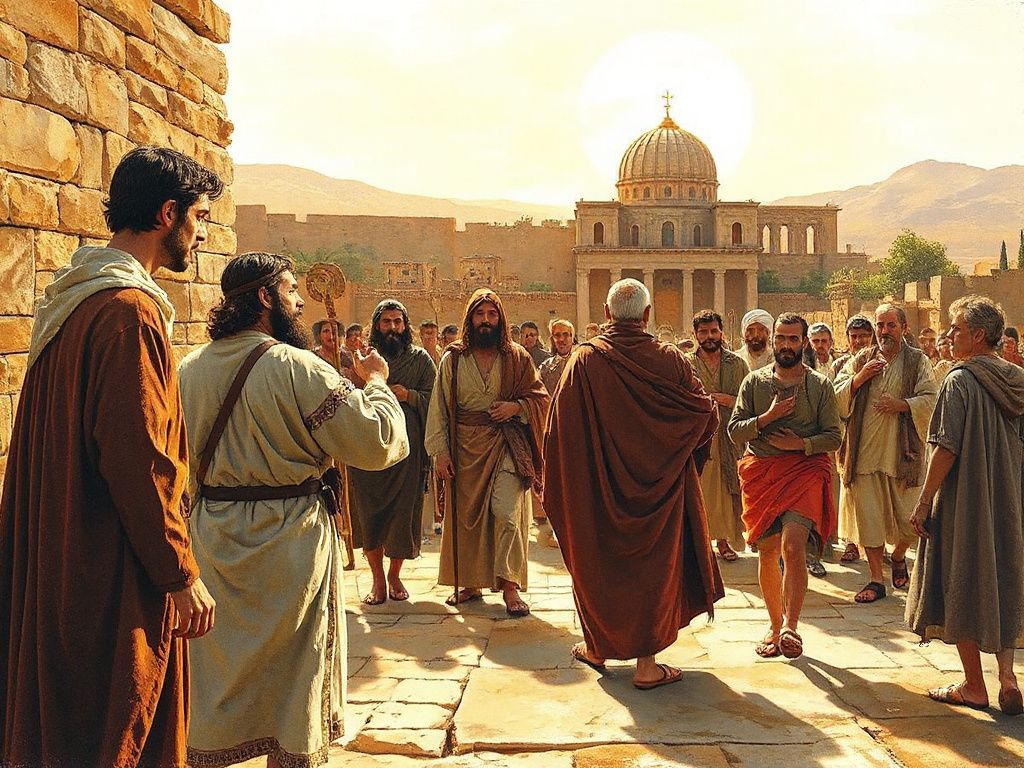
ESTUDIO DEL VERSÍCULO
Hechos 13:46-47 — Pablo se vuelve a los gentiles
Pablo y Bernabé anuncian un cambio misionero deliberado de los judíos a los gentiles, citando el mandato del Señor de ser luz hasta los confines de la tierra.
Escritura
- 46.Entonces Pablo y Bernabé, hablando con denuedo, dijeron: A vosotros a la verdad era necesario que se os hablase primero la palabra de Dios; mas puesto que la desecháis, y no os juzgáis dignos de la vida eterna, he aquí, nos volvemos a los gentiles.And Paul and Barnabas spake out boldly, and said, It was necessary that the word of God should first be spoken to you. Seeing ye thrust it from you, and judge yourselves unworthy of eternal life, lo, we turn to the Gentiles.
- 47.Porque así nos ha mandado el Señor, diciendo: Te he puesto para luz de los gentiles, A fin de que seas para salvación hasta lo último de la tierra.For so hath the Lord commanded us, saying, I have set thee for a light of the Gentiles, That thou shouldest be for salvation unto the uttermost part of the earth.
Qué significa este pasaje
Los versículos 46-47 marcan una declaración decisiva en el primer sermón misionero de Pablo en Antioquía de Pisidia. Tras haber dicho «era necesario que la palabra de Dios se os anunciase primeramente a vosotros», Pablo enmarca la prioridad de la evangelización judía como una cuestión de orden divino, no de preferencia. El rechazo por parte de la audiencia de la sinagoga no anula ese orden; más bien, desencadena una redirección consciente. La frase «he aquí, nos volvemos a los gentiles» no es una reacción de frustración, sino una decisión misionera enmarcada como obediencia a un mandato previo.
Teológicamente, el versículo 47 ancla este giro en la escritura profética. Al citar «te he puesto para luz de los gentiles, a fin de que seas para salvación hasta lo último de la tierra», Pablo identifica la misión apostólica con el Siervo del Señor descrito por los profetas. El «te» se aplica a los propios testigos apostólicos: así como el Siervo fue designado para llevar luz más allá de Israel, así los mensajeros son ahora designados para llevar la salvación geográficamente hacia afuera. La expresión «lo último de la tierra» señala un alcance universal, no meramente a las poblaciones gentiles adyacentes.
El pasaje también distingue entre la responsabilidad humana y la soberanía divina. La audiencia «desecha» la palabra y por ello «se juzga a sí misma indigna de la vida eterna». Sin embargo, la misión a los gentiles no es un Plan B; es lo que «el Señor ha mandado». El rechazo en un lugar no aborta la misión, sino que redirige su cauce, y el resultado en el versículo 48 —que muchos crean— confirma que la redirección es en sí misma el cumplimiento del propósito declarado por el Señor.
Contexto
El sermón en Hechos 13 sigue la lectura sinagogal de la ley y los profetas (v. 15). Pablo recorre la historia de Israel, culmina en la resurrección de Jesús y anuncia el perdón y la justificación por medio de él (vv. 23-39). Muchos en la sinagoga piden escuchar más al siguiente sábado (v. 42), y prosélotos devotos siguen a Pablo y Bernabé después (v. 43). El sábado siguiente, casi toda la ciudad se reúne (v. 44), lo cual provoca la oposición de residentes judíos que contradicen y blasfeman (v. 45). Esta oposición constituye el trasfondo inmediato de la declaración en los versículos 46-47.
Tras el giro hacia los gentiles, el capítulo muestra dos resultados simultáneos: los gentiles se alegran y creen (v. 48), mientras que los judíos incrédulos movilizan presión social y política para expulsar a los misioneros (vv. 50-51). La nota final —los discípulos llenos de gozo y del Espíritu Santo (v. 52)— enmarca el giro a los gentiles no como una pérdida, sino como el fruto divinamente intencionado de la misión.
Preguntas frecuentes
¿Significa Hechos 13:46 que Dios ha rechazado permanentemente a los judíos?
El pasaje no establece un rechazo permanente. Describe una redirección misionera local e histórica después de que la audiencia de Antioquía de Pisidia rechazó el mensaje. Los versículos siguientes siguen mostrando a judíos y prosélitos entre los persuadidos, y los apóstoles continúan entrando en las sinagogas en capítulos posteriores. El texto distingue entre los que «desechan» la palabra y el pueblo en su conjunto.
¿De quién es la «luz de los gentiles» que Pablo cita?
La cita proviene de Isaías 49:6, donde originalmente se dirige al Siervo del Señor. Pablo la reaplica a sí mismo y a Bernabé como testigos apostólicos que llevan a cabo la misión de aquel Siervo. El pasaje no explica más a fondo cómo se relacionan el referente original y el reaplicado, pero claramente sitúa la misión a los gentiles bajo un mandato profético preexistente.
¿Es el «volverse a los gentiles» un castigo o un cumplimiento?
El texto lo presenta primariamente como cumplimiento. La misión a los gentiles se enmarca como algo «que el Señor ha mandado» y como el propósito mismo para el cual los testigos apostólicos fueron designados. El rechazo judío es la ocasión, pero el mandato y la cita profética muestran que el resultado se alinea con el propósito previo de Dios, no con la ira humana.