ESTUDIO DEL VERSÍCULO
Deuteronomio 34:10 — Moisés, el Profeta sin Igual
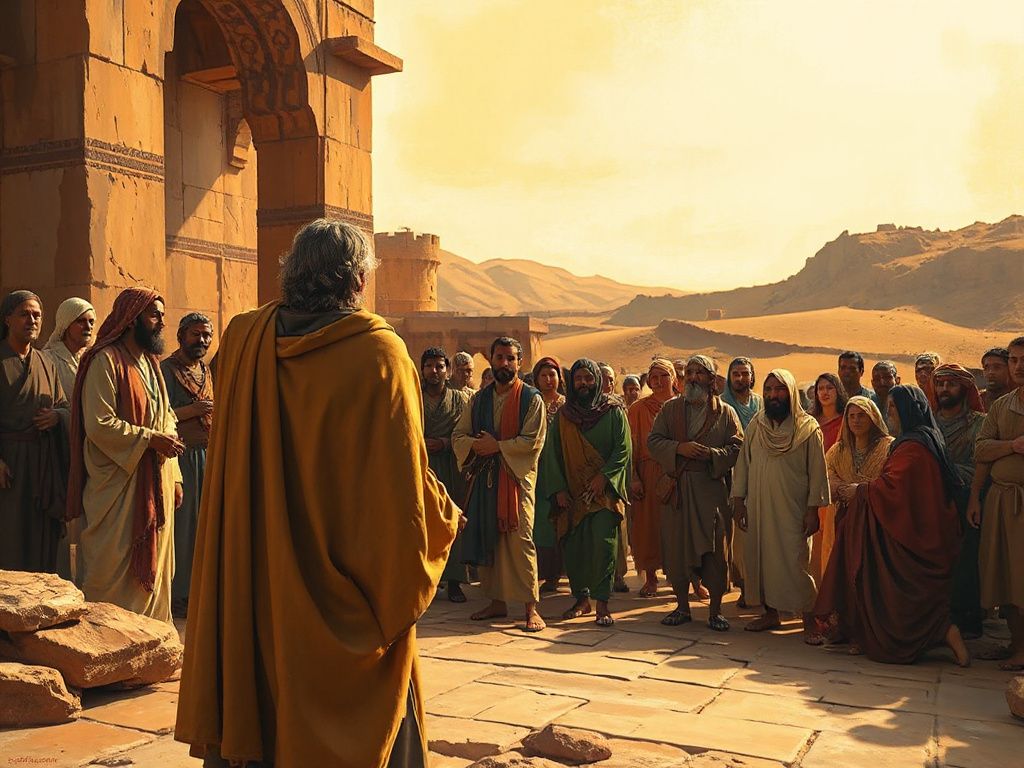
El último capítulo de Deuteronomio cierra declarando que ningún profeta en Israel ha igualado a Moisés, a quien Jehová conoció cara a cara.
Escritura
- 10.Y nunca más se levantó profeta en Israel como Moisés, a quien haya conocido Jehová cara a cara;And there hath not arisen a prophet since in Israel like unto Moses, whom Jehovah knew face to face,
Qué significa este pasaje
Deuteronomio 34:10 se sitúa como el veredicto final sobre toda la Torá. Después de registrar la muerte de Moisés, su sepultura y la transferencia del liderazgo a Josué, el texto hace una pausa para evaluar su estatura profética: 'Y nunca se levantó profeta alguno en Israel como Moisés.' La frase 'en Israel' encuadra la oración como un juicio histórico — medido desde este momento en adelante, cada profeta posterior será comparado con Moisés y hallado inferior.
La cláusula 'a quien Jehová conocía cara a cara' suministra la razón de ese estatus sin igual. El lenguaje de 'conocer' cara a cara evoca los encuentros íntimos descritos anteriormente en la Torá, donde Moisés hablaba con el Señor en el tabernáculo de reunión como habla un hombre con su amigo. El versículo no solo clasifica a Moisés frente a otros profetas; identifica la calidad de su relación con Dios como la característica definitoria que ningún sucesor ha igualado.
Al colocar esta declaración después del relato de la comisión de Josué y antes del resumen de las señales de Moisés en Egipto, el capítulo enmarca el veredicto entre dos marcadores concretos del papel de Moisés: la continuación legítima de su autoridad a través de Josué, y la demostración sin paralelo de poder divino que él realizó. La estructura deja claro que la unicidad de Moisés no es leyenda, sino que está fundamentada en estos hechos registrados.
Contexto
Deuteronomio 34 es un capítulo póstumo. Los versículos 5–6 registran la muerte de Moisés y su sepultura en el valle frente a Bet-peor, con la nota de que nadie conoce su sepulcro hasta el día de hoy. El versículo 7 añade un retrato físico — a los 120 años su ojo no se había apagado ni su vigor natural disminuido — y el versículo 8 registra los treinta días de luto en las llanuras de Moab. El versículo 9 entonces hace la transición a Josué hijo de Nun, quien está 'lleno del espíritu de sabiduría' porque Moisés había puesto sus manos sobre él, y el pueblo le obedece como Jehová había mandado a Moisés.
El versículo 10 se sitúa entre esta transición y el resumen final de los hechos poderosos de Moisés en los versículos 11–12. El contexto inmediato da forma a cómo se lee el versículo: Josué es presentado como una continuación legítima, pero el texto insiste en que no es un igual. Los versículos finales — 'en todas las señales y las maravillas' contra el faraón, 'en toda mano fuerte, y en todo gran terror, que Moisés hizo a la vista de todo Israel' — suministran la evidencia específica detrás de la comparación que el versículo 10 acaba de anunciar.
Preguntas frecuentes
¿Por qué Deuteronomio 34:10 dice que no se ha levantado un profeta como Moisés?
El versículo se presenta como un juicio histórico desde el momento de la muerte de Moisés en adelante. Los versículos siguientes (11–12) fundamentan la afirmación en hechos registrados — las señales y maravillas en Egipto y las hazañas poderosas 'a la vista de todo Israel' — de modo que la comparación se presenta como hecha sobre la base de la evidencia, no como una mera afirmación.
¿Qué significa 'cara a cara' en la relación de Moisés con Dios?
La frase 'a quien Jehová conocía cara a cara' identifica la característica definitoria del estatus profético de Moisés: la inmediatez de sus encuentros con Dios. Pasajes anteriores de la Torá describen a Moisés hablando con el Señor en el tabernáculo de reunión como habla un hombre con su amigo. El versículo 10 utiliza esa intimidad para explicar por qué ningún profeta posterior lo ha igualado.
¿Se presenta a Josué como un sustituto de Moisés en este capítulo?
Josué es presentado como una continuación legítima de la autoridad de Moisés — el versículo 9 señala el espíritu de sabiduría dado mediante la imposición de manos de Moisés y la obediencia del pueblo hacia él. Sin embargo, el versículo 10 inmediatamente matiza esa relación: Josué es el sucesor reconocido, pero no es un profeta como Moisés. El capítulo distingue la continuidad del liderazgo de la igualdad de estatura profética.