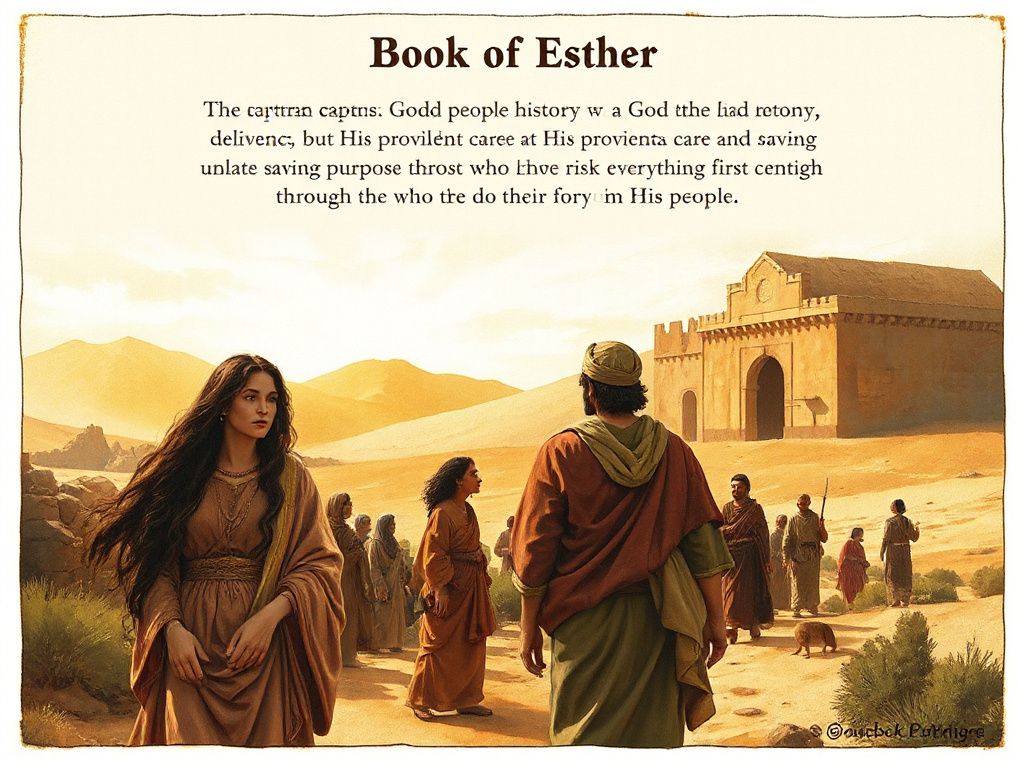
ESTUDIO DEL VERSÍCULO
Ester 4:16 — La determinación de Ester de presentarse ante el rey
Ester ordena a los judíos en Susa que ayunen tres días mientras ella y sus doncellas también ayunan, y luego se presentará ante el rey sin ser llamada, aceptando la muerte si llegara.
Escritura
- 16.Ve y reúne a todos los judíos que se hallan en Susa, y ayunad por mí, y no comáis ni bebáis en tres días, noche y día; yo también con mis doncellas ayunaré igualmente, y entonces entraré a ver al rey, aunque no sea conforme a la ley; y si perezco, que perezca.Go, gather together all the Jews that are present in Shushan, and fast ye for me, and neither eat nor drink three days, night or day: I also and my maidens will fast in like manner; and so will I go in unto the king, which is not according to the law: and if I perish, I perish.
Qué significa este pasaje
El versículo 16 es la respuesta de Ester al desafío de Mardoqueo en 4:13–14 de que no permanezca en silencio mientras su pueblo enfrenta la destrucción. Ella organiza un ayuno comunitario en Susa: reunid a todos los judíos que se hallan allí, no comáis ni bebáis tres días, noche o día. La duración se establece en términos redondos, y la alternancia de noche o día subraya que el ayuno es total e ininterrumpido, no meramente una abstinencia de ciertos alimentos. Ester se une al mismo ayuno (también yo y mis doncellas ayunaremos de igual manera), de modo que la petición no descanse solo en ella, sino en la comunidad reunida junto con su casa.
La segunda mitad del versículo pasa de la preparación a la acción. Ester reconoce el peligro legal: entrar al rey, lo cual no es conforme a la ley. Antes en el capítulo (4:11) ella había explicado que acercarse sin ser llamada al patio interior conlleva una sola pena — la muerte — a menos que el rey extienda el cetro de oro. A pesar de saber esto, resuelve ir. La formulación es deliberada: y así entraré, presentando la decisión como resuelta antes incluso de que comience el ayuno.
El versículo cierra con la confesión y si perezco, perezco. Esto no es un deseo de muerte, sino una renuncia a los resultados. Ester suelta su aferramiento a su propia supervivencia para que la petición pueda hacerse en nombre de su pueblo. Mardoqueo había advertido (4:14) que el silencio significaría la ruina de su propia casa; Ester ahora responde aceptando el riesgo personal como el precio de la petición. El versículo vincula así el ayuno comunitario, la determinación personal y una entrega calculada de la autopreservación en un solo acto.
Contexto
Ester 4 se desarrolla como una cadena de intercambios. Mardoqueo se entera del decreto de Amán (4:1–3), luego encarga a Ester por medio de Hatac que se presente ante el rey (4:8). Ester responde exponiendo la ley del patio interior y señalando que no ha sido llamada por treinta días (4:10–11). La réplica de Mardoqueo en 4:13–14 replantea su hesitación: el silencio no la salvará, y quizás su posición real existe precisamente para esta hora. El versículo 15 (Entonces Ester mandó que respondiesen a Mardoqueo) transita directamente hacia el mandato del versículo 16, y el versículo 17 registra la obediencia de Mardoqueo. El versículo se sitúa, por tanto, en el pivote donde la deliberación se convierte en decisión.
Dentro del capítulo en su conjunto, el ayuno y el luto ya aparecen en 4:1–3 como la respuesta de los judíos en cada provincia al decreto del rey. Ester 4:16 no introduce el ayuno como un tema nuevo, sino que lo redirige: del lamento hacia una preparación concentrada para una petición específica y peligrosa. Al unir su propio ayuno al de la comunidad en Susa, Ester alinea su riesgo personal con el dolor público, de modo que el acto de presentarse ante el rey se lleve a cabo sobre una sola plataforma de intercesión.
Preguntas frecuentes
¿Por qué Ester requiere un ayuno de tres días antes de presentarse ante el rey?
Según el capítulo, el ayuno sirve para unir a los judíos en Susa en un solo acto concentrado de intercesión junto con Ester y sus doncellas. Se presenta como la preparación necesaria para un acercamiento sin ser llamada que conlleva una pena legal de muerte, no como un rito en sí mismo.
¿Significa «si perezco, perezco» que Ester desea morir?
El versículo lo presenta como una renuncia al resultado de su propia acción, no como un deseo de muerte. Ella suelta su aferramiento a la supervivencia personal para que la petición en nombre de su pueblo pueda hacerse, aceptando el riesgo legal señalado antes en el capítulo.
¿Cómo se relaciona Ester 4:16 con las palabras de Mardoqueo en 4:13–14?
Mardoqueo advierte que el silencio no protegerá a Ester y que su posición podría existir precisamente para esta crisis. Ester 4:16 responde tomando una acción deliberada: un ayuno comunitario, luego un acercamiento sin ser llamada al rey, con el resultado puesto en la providencia de Dios más que en su propia seguridad.