ESTUDIO DEL VERSÍCULO
Ezequiel 48:35 — La ciudad llamada «Jehová está allí»
Ezequiel 48:35 sintetiza el perímetro de la ciudad restaurada y le asigna un nombre: «Jehová está allí», sellando la promesa del libro de que la presencia de Dios habitará con su pueblo.
Escritura
- 35.En derredor tendrá dieciocho mil cañas. Y el nombre de la ciudad desde aquel día será Jehová-sama.It shall be eighteen thousand reeds round about: and the name of the city from that day shall be, Jehovah is there.
Qué significa este pasaje
El versículo 35 cierra los extensos perímetros dados en los versículos 30–34: cada uno de los cuatro lados de la ciudad mide 4.500 cañas, y el total alrededor de la ciudad es 18.000 cañas. La aritmética del versículo (4.500 × 4 = 18.000) une las medidas recién mencionadas y ofrece una única cifra resumida del límite exterior de la ciudad.
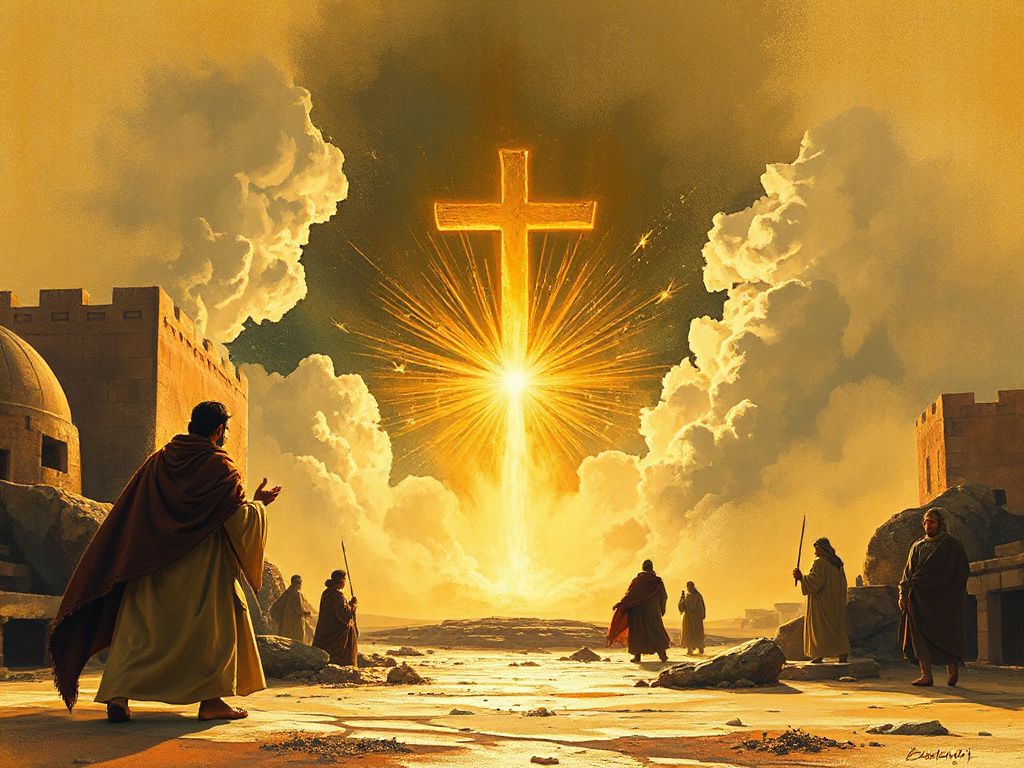
La segunda mitad le asigna a la ciudad un nombre: «desde aquel día» la ciudad será llamada «Jehová está allí» (en hebreo YHWH-shammah). En un libro que se abre con la gloria de Dios partiendo del templo (Ezequiel 10–11), la declaración final de que la ciudad misma lleva el nombre de la presencia de Dios invierte esa pérdida y encuadra toda la visión como la meta de la redención.
Nombrar una ciudad con un título divino es algo inusual en el Antiguo Testamento. La frase funciona como un resumen teológico: la ciudad se define no por sus muros ni sus puertas, sino por el hecho de que el Señor la habita, y la visión del libro acerca de la tierra, las tribus, el santuario y la ciudad solo es completa cuando la presencia de Dios es reconocida como la realidad definitoria de la ciudad.
Contexto
Ezequiel 48:35 es el versículo final del libro. Los versículos circundantes (30–34) enumeran las puertas y perímetros de la ciudad, nombrando doce tribus a lo largo de cuatro lados —tres puertas por lado— y el versículo 35 completa esas medidas antes de asignar el nombre a la ciudad.
Dentro del capítulo en su conjunto, la distribución de la tierra fluye de norte (v. 1) a sur (v. 28), colocando el territorio sacerdotal (vv. 8–14), la ciudad (vv. 15–20) y la porción del príncipe (vv. 21–22) en el centro. La ciudad con sus doce puertas tribales se sitúa en el clímax de este orden restaurado, y el versículo final identifica la presencia de Dios como el verdadero contenido de la ciudad.
Preguntas frecuentes
¿Por qué la ciudad se llama «Jehová está allí» y no lleva el nombre de una persona o tribu?
Dentro del propio pasaje no se da ninguna razón para el nombre. El versículo simplemente afirma que «desde aquel día» la ciudad llevará este nombre, presentándolo como la identidad definitoria de la ciudad restaurada y coronando la visión del libro acerca de la tierra, las tribus, el santuario y la ciudad en una sola confesión sobre la presencia de Dios.
¿Cómo funciona Ezequiel 48:35 como final del libro?
Es el versículo de cierre de Ezequiel. Después de enumerar las medidas de la ciudad y las doce puertas tribales en los versículos 30–34, el versículo 35 resume el perímetro (18.000 cañas) y luego asigna a la ciudad un nombre, proporcionando una frase final que vincula todo el capítulo —y todo el libro— con su centro teológico.
¿Ofrece el versículo alguna explicación interna de «Jehová está allí»?
El versículo en sí no desarrolla el nombre. Simplemente declara que «desde aquel día» la ciudad será llamada con este título, dejando al lector la tarea de conectar la frase con la visión que la rodea en Ezequiel 48: una tierra restaurada, un santuario central, una ciudad con doce puertas y un pueblo cuya relación con Dios enmarca todo el arreglo.