ESTUDIO DEL VERSÍCULO
Habacuc 1:5 — 'Mirad y admiraos maravillosamente'
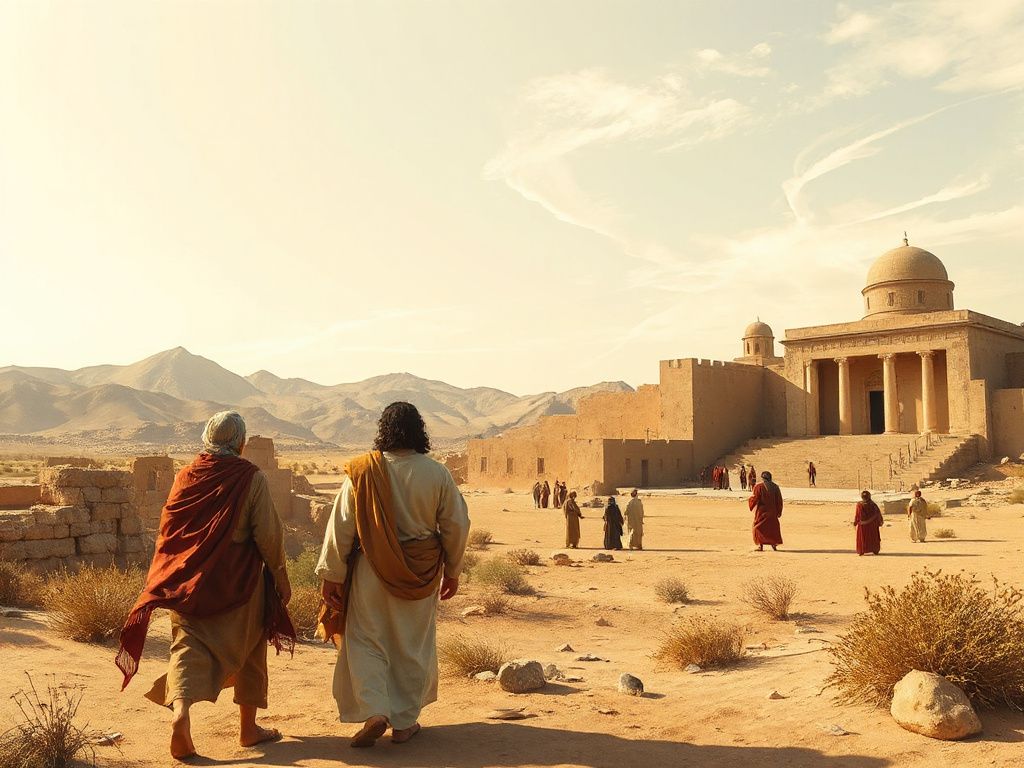
Dios ordena a los oyentes que miren entre las naciones y se asombren, porque está a punto de realizar una obra en sus días que no creerán aun cuando se les sea contada.
Escritura
- 5.Mirad entre las naciones, y ved, y asombraos; porque haré una obra en vuestros días, que aun cuando se os contare, no la creeréis.Behold ye among the nations, and look, and wonder marvellously; for I am working a work in your days, which ye will not believe though it be told you.
Qué significa este pasaje
Habacuc 1:5 se abre con una triple exhortación: 'He aquí', 'mirad' y 'admiraos maravillosamente'. La repetición intensifica el llamado de atención y señala que lo que sigue trastocará las expectativas. Dios no ofrece una serena palabra de consuelo; exige que los oyentes fijen su mirada en algo que de otro modo descartarían como imposible.
La razón de esta atención asombrada se da en la segunda mitad del versículo: 'Yo hago una obra en vuestros días, que no creeréis si os fuere contada'. La construcción aquí es notable — Dios presenta el acontecimiento venidero como 'una obra' ya en marcha. No es una posibilidad lejana sino algo activamente en curso dentro del tiempo de vida de los oyentes, y sin embargo tan contrario a toda expectativa que aun el testimonio directo no producirá fe.
La expresión 'en vuestros días' sitúa el acontecimiento en el horizonte inmediato del auditorio original. La cláusula 'que no creeréis si os fuere contada' prepara al lector para el contenido del versículo siguiente: el levantamiento de los caldeos. El hecho de que un instrumento así resulte difícil de creer subraya cuán profundamente la queja de Habacuc — sobre la injusticia entre su propio pueblo — va en dirección contraria a la respuesta que Dios está a punto de dar.
Contexto
Los versículos 2–4 establecen la queja del profeta: la ley está paralizada, los impíos rodean al justo, y la justicia sale pervertida. Contra este trasfondo, el mandato de 'mirad y admiraos' resulta llamativo — Dios no responde primero a la queja sino que la interrumpe con asombro.
El versículo 6 revela cuál es la 'obra': 'Yo levanto a los caldeos'. El versículo funciona así como bisagra entre la queja y la revelación, enmarcando la invasión babilónica venidera como un acto de Dios y no como un mero acontecimiento político. La incredulidad del auditorio anticipada en el v. 5 corresponde al impacto de que un instrumento tan severo pueda ser la respuesta de Dios a la injusticia.
Preguntas frecuentes
¿Cuál es la 'obra' que Dios anuncia en Habacuc 1:5?
Según los versículos que siguen, la 'obra' se identifica en el versículo 6 como el levantamiento de los caldeos (babilonios) como instrumento de juicio. El versículo 5 genera suspenso y advierte a los oyentes que aun cuando lo oigan explicado, lucharán por creerlo.
¿Por qué Dios ordena al auditorio 'admirarse maravillosamente' antes de explicar?
La triple exhortación ('he aquí, mirad, admiraos maravillosamente') está diseñada para fijar la atención en un acontecimiento tan contrario a la expectativa que aun un relato directo no aseguraría la fe. Además, reencuadra la queja de Habacuc: la respuesta de Dios vendrá en una forma que el profeta no anticipó, requiriendo una reorientación asombrada en lugar de una solución cómoda.
¿Cómo prepara Habacuc 1:5 el resto del capítulo?
El versículo 5 funciona como bisagra: cierra la primera queja (vv. 2–4) al emitir el mandato de atención como respuesta de Dios, y abre la sección de revelación (vv. 6–11) al anticipar el levantamiento de los caldeos. La segunda queja del profeta en los vv. 12–17 responde entonces a esta 'obra' revelada.