ESTUDIO DEL VERSÍCULO
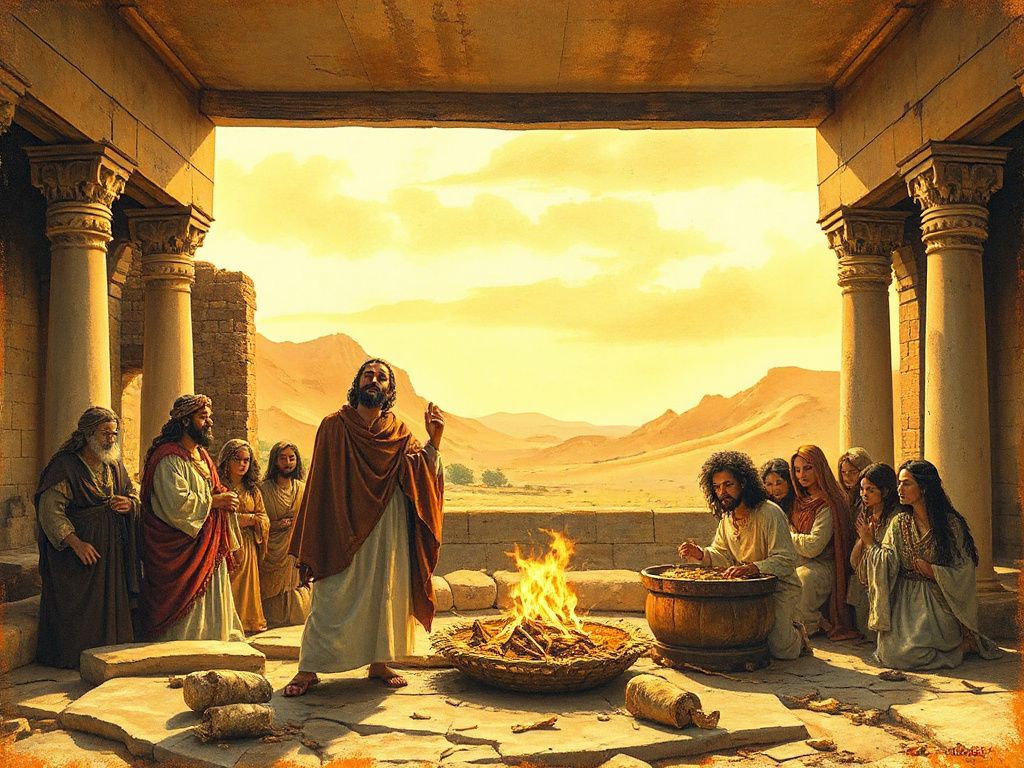
Hebreos 8:6-13 — El mejor pacto y el nuevo
El ministerio sacerdotal de Cristo supera al antiguo porque media un mejor pacto fundamentado en mejores promesas, como lo demuestra la promesa divina de un nuevo pacto que escribe la ley en los corazones, da verdadero conocimiento del Señor y perdona los pecados.
Escritura
- 6.Pero ahora tanto mejor ministerio es el suyo, cuanto es mediador de un mejor pacto, establecido sobre mejores promesas.But now hath he obtained a ministry the more excellent, by so much as he is also the mediator of a better covenant, which hath been enacted upon better promises.
- 7.Porque si aquel primero hubiera sido sin defecto, ciertamente no se hubiera procurado lugar para el segundo.For if that first covenant had been faultless, then would no place have been sought for a second.
- 8.Porque reprendiéndolos dice: He aquí vienen días, dice el Señor, En que estableceré con la casa de Israel y la casa de Judá un nuevo pacto;For finding fault with them, he saith, Behold, the days come, saith the Lord, That I will make a new covenant with the house of Israel and with the house of Judah;
- 9.No como el pacto que hice con sus padres El día que los tomé de la mano para sacarlos de la tierra de Egipto; Porque ellos no permanecieron en mi pacto, Y yo me desentendí de ellos, dice el Señor.Not according to the covenant that I made with their fathers In the day that I took them by the hand to lead them forth out of the land of Egypt; For they continued not in my covenant, And I regarded them not, saith the Lord.
- 10.Por lo cual, este es el pacto que haré con la casa de Israel Después de aquellos días, dice el Señor: Pondré mis leyes en la mente de ellos, Y sobre su corazón las escribiré; Y seré a ellos por Dios, Y ellos me serán a mí por pueblo;For this is the covenant that I will make with the house of Israel After those days, saith the Lord; I will put my laws into their mind, And on their heart also will I write them: And I will be to them a God, And they shall be to me a people:
- 11.Y ninguno enseñará a su prójimo, Ni ninguno a su hermano, diciendo: Conoce al Señor; Porque todos me conocerán, Desde el menor hasta el mayor de ellos.And they shall not teach every man his fellow-citizen, And every man his brother, saying, Know the Lord: For all shall know me, From the least to the greatest of them.
- 12.Porque seré propicio a sus injusticias, Y nunca más me acordaré de sus pecados y de sus iniquidades.For I will be merciful to their iniquities, And their sins will I remember no more.
- 13.Al decir: Nuevo pacto, ha dado por viejo al primero; y lo que se da por viejo y se envejece, está próximo a desaparecer.In that he saith, A new covenant he hath made the first old. But that which is becoming old and waxeth aged is nigh unto vanishing away.
Qué significa este pasaje
Los versículos 6-7 establecen la tesis: el ministerio de Jesús es más excelente porque media un mejor pacto establecido sobre mejores promesas, y si el primer pacto hubiera sido sin falta, no se habría buscado un segundo. El criterio para medir el sacerdocio cambia de la ubicación ritual externa a la calidad del pacto mismo, y según ese criterio el antiguo orden resulta insuficiente.
Los versículos 8-12 citan un discurso divino que diagnostica el problema del primer pacto —el pueblo no permaneció en él, por lo que el Señor 'los despreció'— y luego promete un reemplazo. El nuevo pacto difiere en tres aspectos: la ley se coloca en la mente y se escribe en el corazón en lugar de en piedra, toda persona desde el menor hasta el mayor conoce al Señor directamente sin necesitar que un vecino se lo enseñe, y las iniquidades son perdonadas sin que los pecados sean recordados más.
El versículo 13 extrae la conclusión del propio lenguaje profético. Porque el Señor dice 'nuevo', ha hecho al primero 'viejo', y lo que es viejo y envejece está próximo a desaparecer. El autor no se limita a señalar un contraste; anuncia que el papel del primer pacto ha sido superado por el pacto que Cristo ahora media.
Contexto
Hebreos 8 comienza describiendo a Jesús como sumo sacerdote sentado a la diestra de la Majestad en los cielos, ministrando en el verdadero tabernáculo que el Señor levantó (8:1-2). El argumento luego fundamenta este sacerdocio celestial: todo sumo sacerdote debe tener algo que ofrecer (8:3), y si Cristo estuviera en la tierra no sería sacerdote en absoluto ya que otros ofrecen según la ley (8:4). Aquellos sacerdotes levíticos sirven 'copia y sombra de las cosas celestiales', pues a Moisés se le advirtió que hiciera el tabernáculo conforme al modelo mostrado en el monte (8:5), de modo que la afirmación del pasaje seleccionado de que el ministerio de Cristo es 'más excelente' se deriva directamente de este contraste entre copia y realidad.
No se proporcionan versículos después de 8:13 en el capítulo, por lo que el pasaje se sitúa en el eje del argumento del capítulo: la insuficiencia del antiguo pacto se establece en el capítulo 7, la naturaleza celestial del sacerdocio de Cristo se establece en 8:1-5, y 8:6-13 suministra la garantía escrituraria —tomada de un oráculo profético— para declarar obsoleto el primer pacto y el pacto mediado por Cristo como su reemplazo.
Preguntas frecuentes
¿Por qué el autor llama defectuoso al primer pacto?
El versículo 7 expone el criterio con claridad: si el primer pacto hubiera sido sin falta, no se habría buscado lugar para un segundo. La falta no radica en la institución divina sino en el pueblo, como especifica el versículo 9 —'no permanecieron en mi pacto'. El nuevo pacto, por tanto, no es una reparación del mismo orden sino un reemplazo.
¿Qué hace al nuevo pacto 'mejor' según este pasaje?
El versículo 6 dice que está establecido sobre 'mejores promesas', y los versículos 10-12 las nombran: leyes escritas en el corazón en lugar de externamente, conocimiento directo universal del Señor desde el menor hasta el mayor, y perdón completo de las iniquidades sin que los pecados sean recordados más. Lo 'mejor' es cualitativo —internalización, universalidad y plena remisión— más que meramente cronológico.
¿Significa el versículo 13 que el primer pacto ya ha desaparecido?
El texto dice que el primer pacto 'envejece' y está 'presto a desaparecer', lenguaje de un proceso cercano a su culminación más que de un único evento pasado. La descripción en tiempo presente del autor (8:4-5 todavía habla de sacerdotes que ofrecen dones 'conforme a la ley') indica que el antiguo orden se encuentra en su etapa final al momento de escribir.