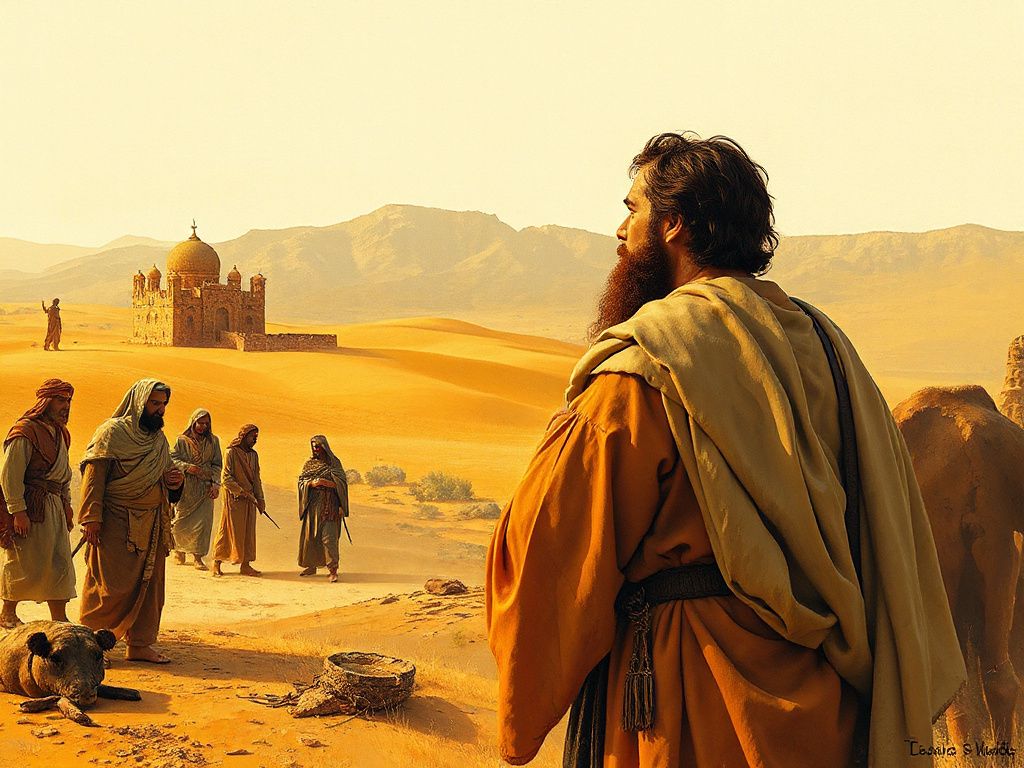
ESTUDIO DEL VERSÍCULO
Oseas 3:1 — Un mandato para amar a la infiel
Dios ordena a Oseas amar de nuevo a una mujer que ha sido infiel, usando esto como una imagen viva de Su propio amor firme por Israel.
Escritura
- 1.Me dijo otra vez Jehová: Ve, ama a una mujer amada de su compañero, aunque adúltera, como el amor de Jehová para con los hijos de Israel, los cuales miran a dioses ajenos, y aman tortas de pasas.And Jehovah said unto me, Go again, love a woman beloved of her friend, and an adulteress, even as Jehovah loveth the children of Israel, though they turn unto other gods, and love cakes of raisins.
Qué significa este pasaje
El versículo se abre con una comisión divina renovada: el mismo profeta que se casó con Gomer en el capítulo 1 recibe ahora la orden de 'ir otra vez' y amar a otra mujer —o a la misma mujer en un estado renovado— que es 'amada de su amigo, y adúltera'. La expresión es deliberada: no se trata de una descripción de afecto romántico, sino de un acto ordenado de amor hacia alguien indigno, en paralelo con el modo en que Dios ama a Israel.
El patrón con el que se mide el amor de Oseas es el amor divino mismo: 'así como Jehová ama a los hijos de Israel'. La comparación resulta chocante: el cariño obstinado de un esposo humano junto al amor del pacto de Yahvé. La infidelidad de Israel se describe como volverse 'a otros dioses' y amar 'tortas de pasas', probablemente una referencia a ofrendas cultuales asociadas al culto de Baal y a comidas festivas relacionadas con la idolatría. El versículo coloca la traición al pacto junto al apetito sensual, tratando la infidelidad espiritual y el placer físico como expresiones paralelas de apartarse de Dios.
Como el versículo forma parte de una profecía enactuada, el acto de amar a la mujer es en sí mismo el mensaje. El amor obediente de Oseas refleja el atributo divino aquí nombrado: un amor que continúa hacia el infiel. El versículo, por tanto, no se limita a describir la paciencia de Dios —la lleva a cabo mediante la vida del profeta, de modo que la condición de Israel y la respuesta de Dios se hacen visibles a la vez en una sola relación ordenada.
Contexto
Oseas 3 forma una unidad pequeña y autónoma. El versículo 1 plantea el mandato, el versículo 2 narra cómo Oseas compra a la mujer por quince piezas de plata y un homer más medio homer de cebada, y el versículo 3 establece un largo período de abstención: 'Te quedarás por mí muchos días; no te harás ramera, ni serás mujer de ningún hombre'. Este retraimiento representa un tiempo durante el cual Israel queda apartada tanto de las expresiones normales de idolatría como de la vida del pacto. Los versículos siguientes, 4–5, detallan cómo se manifiesta esa larga abstinencia a nivel nacional: 'sin rey, sin príncipe, sin sacrificio, sin columna, sin efod ni terafines', seguido de un retorno futuro —'buscarán a Jehová su Dios, y a David su rey'. Así, el versículo 1 inicia un movimiento que va del amor ordenado, pasando por la compra costosa, por la disciplina, hasta la restauración final.
La relación entre Oseas 3:1 y Oseas 1 no se explicita en el texto proporcionado. El versículo 1 aquí habla de amar 'a una mujer amada de su amigo, y adúltera', sin resolver si se trata de la misma persona que Gomer, de una figura nueva, o de Gomer en una etapa posterior. El capítulo y la nota ofrecidos solo hacen el punto temático —el amor persistente de Dios por un pueblo idólatra— y no zanjan la cuestión de la identidad, por lo que la página de referencia registra tanto el vínculo con el capítulo 1 como la ambigüedad que el propio texto deja.
Preguntas frecuentes
¿Es la mujer de Oseas 3:1 la misma que Gomer en Oseas 1?
El texto proporcionado no lo dice. Oseas 3:1 la llama 'una mujer amada de su amigo, y adúltera', y el capítulo no la nombra. Algunos lectores la identifican con Gomer porque ambos pasajes tratan de una esposa infiel a quien Oseas recibe por mandato, pero el versículo en sí deja la cuestión abierta.
¿Qué son las 'tortas de pasas' en Oseas 3:1?
Dentro del propio versículo aparecen emparejadas con 'volverse a otros dioses', lo que sugiere que el versículo las trata como parte de la actividad idolátrica de Israel. El material proporcionado no identifica un rito o lugar específico, así que cualquier identificación más detallada queda fuera de lo que el texto del capítulo establece.
¿Por qué Dios ordena a Oseas amar a una mujer infiel?
El versículo hace la conexión explícita: 'así como Jehová ama a los hijos de Israel'. El amor ordenado a Oseas se presenta como un paralelo visible al amor del pacto de Dios por un pueblo infiel. El acto mismo es el mensaje, de modo que la situación de Israel y la respuesta de Dios se muestran juntas en la relación de Oseas con la mujer.