ESTUDIO DEL VERSÍCULO
Jeremías 45:5 — La vida de Baruc preservada en medio del juicio venidero
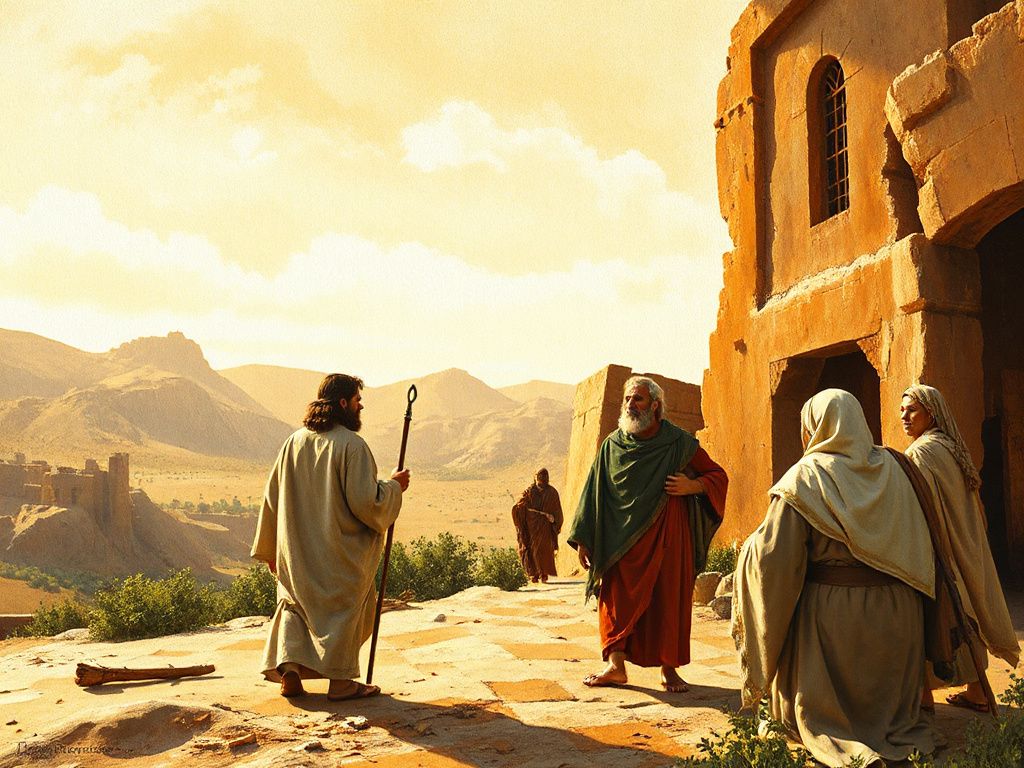
En Jeremías 45:5, el Señor dice al escriba Baruc que deje de perseguir grandes ambiciones personales, advertirle que el juicio caerá sobre toda carne, mientras le promete que su vida será preservada dondequiera que vaya.
Escritura
- 5.¿Y tú buscas para ti grandezas? No las busques; porque he aquí que yo traigo mal sobre toda carne, ha dicho Jehová; pero a ti te daré tu vida por botín en todos los lugares adonde fueres.And seekest thou great things for thyself? seek them not; for, behold, I will bring evil upon all flesh, saith Jehovah; but thy life will I give unto thee for a prey in all places whither thou goest.
Qué significa este pasaje
El versículo comienza con una pregunta penetrante dirigida a Baruc: «¿Y buscas para ti grandes cosas?». El orden de las palabras enfatiza la ambición personal de Baruc («para ti»), presentando la pregunta como una confrontación con el interés propio. La respuesta de Dios es breve y absoluta: «no las busques». Los dos imperativos constituyen la reprensión central del pasaje: un rechazo a permitir que la ganancia personal se convierta en la medida de la vida mientras el Señor derriba lo que Él mismo ha construido y plantado (versículo 4).
La razón aducida es amplia, no personal: «porque he aquí, yo traeré mal sobre toda carne, dice Jehová». El alcance es «toda carne», y el que habla es identificado dos veces como Jehová. El juicio no se dirige únicamente contra Baruc; es un derramamiento universal que pone toda ambición privada en una perspectiva crudamente clara. «He aquí» señala la certeza de lo que viene, y «dice Jehová» fundamenta la declaración en la autoridad divina, no en la especulación humana.
En medio de esa calamidad universal, Dios centra su atención en Baruc: «pero a ti daré tu vida por botín en todos los lugares adonde fueres». «Por botín» representa la vida como algo arrebatado y llevado fuera de las ruinas: no victoria, consuelo ni prominencia, sino la mera supervivencia. La cláusula «en todos los lugares adonde fueres» amplía la promesa geográficamente, reflejando el tema más amplio del capítulo de trastorno en toda la tierra. Teológicamente, el versículo contrapone dos destinos: el juicio corporativo sobre toda carne y la preservación individual del fiel escriba.
Contexto
Jeremías 45 es un capítulo breve y fechable: sitúa la queja de Baruc en el cuarto año de Jehoacim, hijo de Josías, rey de Judá (versículo 1), cuando Baruc escribía las palabras de Jeremías bajo el dictado del profeta. El capítulo comienza con Dios hablando directamente a Baruc (versículo 2) y citando su propio lamento de que el Señor había añadido dolor a su sufrimiento y de que no encontraba descanso (versículo 3). La respuesta divina del versículo 4 replantea el cansancio de Baruc en un horizonte mucho más amplio: lo que Dios ha construido, Él lo derribará, y lo que ha plantado, Él lo arrancará, incluso en toda la tierra.
El versículo 5 responde entonces directamente a ese lamento. La promesa de preservar la vida en todos los lugares adonde vaya Baruc no elimina el juicio venidero; se encuentra dentro de él. La estructura del capítulo —queja personal, replanteamiento cósmico, promesa individual— es lo que da al versículo 5 su fuerza incisiva: la supervivencia se presenta como un don arrancado de las ruinas, no como una excepción a la destrucción.
Preguntas frecuentes
¿Quién habla a quién en Jeremías 45:5?
Jehová, el Dios de Israel, habla a Baruc hijo de Nerías, el escriba de Jeremías, como se establece al comienzo del capítulo (versículos 1–2). El versículo continúa la misma intervención después de citar la queja de Baruc en el versículo 3 y la respuesta de Dios en el versículo 4.
¿Qué son las «grandes cosas» que se le dice a Baruc que no busque?
El versículo mismo no especifica cuáles son esas grandes cosas. Dado el contexto que lo rodea —el cansancio de Baruc y el anuncio del Señor de que Él derribará lo que ha construido en toda la tierra (versículo 4)—, lo más que puede afirmarse a partir del texto es que se trata de ambiciones personales perseguidas «para ti» mientras el juicio universal es inminente.
¿Qué significa «a ti daré tu vida por botín?
La frase representa la vida como algo arrancado del peligro: la mera supervivencia sacada de entre los escombros, no el honor ni la prosperidad. La promesa se extiende «en todos los lugares adonde fueres», de modo que, dondequiera que viaje Baruc, recibe esta preservación concreta: su vida misma, tomada como botín del mal venidero sobre toda carne.