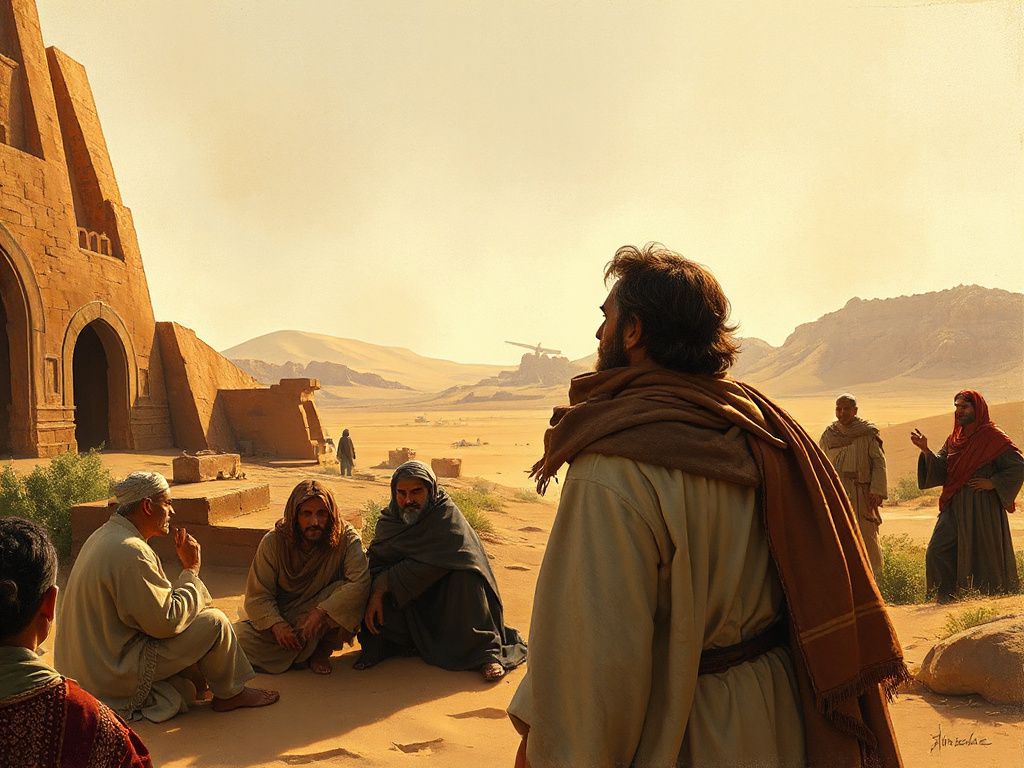
ESTUDIO DEL VERSÍCULO
Job 13:15 — Confiar en Dios aun si Él mata
Job declara que aun si Dios lo mata, presentará su caso delante de Dios en lugar de abandonar su integridad.
Escritura
- 15.He aquí, aunque él me matare, en él esperaré; No obstante, defenderé delante de él mis caminos,Behold, he will slay me; I have no hope: Nevertheless I will maintain my ways before him.
Qué significa este pasaje
Job 13:15 es una confesión de resolución dirigida a sus amigos, no a Dios. Job acaba de hacerlos callar en los versículos 12–14, descartando sus proverbios como ceniza, exigiendo hablar por sí mismo y aceptando cualquier consecuencia que venga. Luego el versículo 15 expresa el corazón de esa resolución: 'He aquí, él me matará; no tengo esperanza; no obstante, mantendré mis caminos delante de él'.
La línea funciona como una declaración triple. Primero, Job reconoce que Dios puede herirlo de muerte; no minimiza el poder de Dios para castigar. Segundo, admite 'no tengo esperanza' en el sentido de que no ve libertador humano ni逆转 visible. Tercero, a pesar de ambos, aún argumentará su caso delante de Dios, manteniendo que no ha abandonado la justicia. La voluntad de hablar delante de Dios es en sí misma el acto de confianza.
Leído así, el versículo trata menos sobre optimismo que sobre desafío a la desesperación. Job no dice que el sufrimiento sea agradable ni que la muerte sea bienvenida. Dice que la integridad y la dirección directa a Dios importan más que la autopreservación. El versículo 16 lo confirma: 'También esto será mi salvación, que un hombre impío no vendrá delante de él'. La salvación, para Job aquí, significa ser permitido estar delante de Dios, no ser perdonado de la muerte.
Contexto
El capítulo 13 es el eje de la larga autodefensa de Job. En 13:1–5 reclama conocimiento igual al de sus amigos y los acusa de ser médicos inútiles. En 13:6–12 les advierte que defender a Dios con falsedad traerá reprensión divina. Los versículos 13–19 entonces cambian al clamor personal de Job: pide hablar sin reservas, declara su inocencia e invita a un concurso legal ('¿Quién es el que contenderá conmigo?'). El versículo 15 se sitúa en el centro de este movimiento, expresando por qué Job puede arriesgar tal concurso: su esperanza no está en escapar, sino en el acceso a la presencia de Dios.
Los versículos 20–28 continúan el mismo discurso con dos peticiones: quita la mano pesada de Dios y deja hablar a Job (20–22), y responde la pregunta sin respuesta de Job sobre el número y la causa de sus pecados (23–28). El capítulo termina con Job comparándose a una ropa comida por la polilla, ya sintiendo los efectos de un sufrimiento que no comprende. Job 13:15 debe leerse contra este trasfondo: es una declaración desafiante嵌入 en una dirección más larga y buscadora a Dios.
Preguntas frecuentes
¿Realmente dice Job 13:15 'no tengo esperanza'? ¿No es eso desesperación?
En contexto, Job quiere decir que no tiene esperanza humana visible: ni libertador, ni逆转 a la vista. Se empareja con 'mantendré mis caminos delante de él', así que la falta de esperanza se refiere a escapar del sufrimiento, no a la fe misma. La confianza de Job está en ser permitido estar delante de Dios, lo que afirma en el versículo 16.
¿Quién habla en Job 13:15, Job o Dios?
Job está hablando y se dirige a sus amigos. Primero los hace callar en los versículos 12–14 y luego en el versículo 15 declara que aun si Dios lo mata, aún argumentará su caso delante de Dios. La frase 'delante de él' se refiere a comparecer en la presencia de Dios, no a dirigirse a los amigos.
¿Es 'Aunque él me mate, aun confiaré en él' una paráfrasis justa de Job 13:15?
Captura el espíritu de la resolución, pero no es lo que dice literalmente la línea hebrea. El versículo dado dice 'no tengo esperanza; no obstante, mantendré mis caminos delante de él'. La confianza de Job se muestra en su disposición a seguir estando delante de Dios, no en la palabra 'confiar'. Porque la lista de referencias cruzadas proporcionada está vacía, no se pueden citar versículos relacionados aquí.