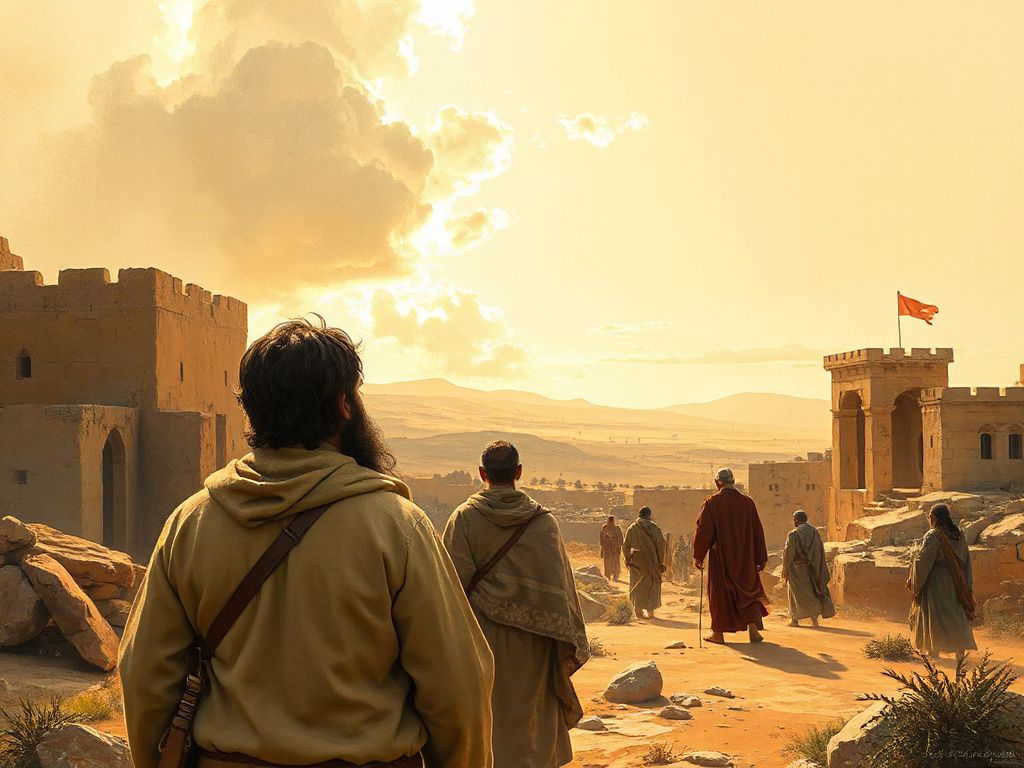
ESTUDIO DEL VERSÍCULO
Joel 3:16 — El SEÑOR ruge desde Sion como refugio
Joel 3:16 contrasta la convulsión cósmica con el abrigo divino: el SEÑOR ruge desde Sion como Juez, y a la vez se convierte en refugio y fortaleza para Israel.
Escritura
- 16.Y Jehová rugirá desde Sion, y dará su voz desde Jerusalén, y temblarán los cielos y la tierra; pero Jehová será la esperanza de su pueblo, y la fortaleza de los hijos de Israel.And Jehovah will roar from Zion, and utter his voice from Jerusalem; and the heavens and the earth shall shake: but Jehovah will be a refuge unto his people, and a stronghold to the children of Israel.
Qué significa este pasaje
El versículo se abre con una teofanía. Jehová no es una deidad distante; Él «ruge» desde Sion y «hace oír su voz» desde Jerusalén, identificando la ciudad del templo como la sede desde la cual se anuncia su reinado. La imagen del rugido evoca a un león, señalando una autoridad irresistible y el inicio del juicio sobre las naciones reunidas en el valle de Josafat (3:2, 12).
El alcance de ese juicio es cósmico: «los cielos y la tierra temblarán». No se trata de un trastorno local, sino de una convulsión que abarca toda la creación, acompañada del oscurecimiento del sol, la luna y las estrellas en 3:15. El lenguaje reproduce deliberadamente oráculos anteriores del Día del SEÑOR, marcando este momento como la intervención culminante de Dios en la historia.
Sin embargo, el mismo versículo gira hacia la misericordia. Después del estremecimiento, Jehová «será un refugio para su pueblo, y una fortaleza para los hijos de Israel». El Juez y el Amparo son la misma persona; su rugido contra las naciones se convierte en cobertura para los suyos. La combinación de terror cósmico con protección personal constituye el centro teológico del versículo.
Contexto
Joel 3 se despliega como una única secuencia del Día del SEÑOR. Los versículos 1–12 reúnen a las naciones en el valle de Josafat para juicio; los versículos 13–15 anuncian la siega, el lagar y el oscurecimiento de las luminarias celestes. El versículo 16 se sitúa en el quicio: el rugido desde Sion dramatiza la llegada del Juez, mientras que el lenguaje de «refugio» y «fortaleza» responde a la amenaza planteada en los versículos anteriores.
Preguntas frecuentes
¿Por qué el SEÑOR ruge desde Sion y no desde el cielo?
Sion y Jerusalén se presentan en Joel como la sede geográfica del reinado de Dios sobre Israel. Rugir desde Sion sitúa el juicio venidero dentro de la historia del pueblo del pacto y señala que Él actúa en favor de su propia tierra (3:17, 21).
¿Cómo puede el SEÑOR ser al mismo tiempo un Juez que ruge y un refugio?
Joel 3:16 coloca ambos roles en un solo versículo precisamente para mostrar que pertenecen al mismo Dios. El rugido cae sobre las naciones reunidas en el valle (3:2, 12), mientras que el refugio ampara a «su pueblo» y a «los hijos de Israel». El juicio sobre el extraño y el abrigo para el propio son dos caras de un mismo acto divino.
¿«Los cielos y la tierra temblarán» describe una catástrofe literal?
El capítulo lo presenta dentro de la imaginería del Día del SEÑOR con señales cósmicas (sol, luna y estrellas oscurecidos en 3:15) y metáforas agrícolas (siega, lagar en 3:13). El lenguaje funciona para representar una intervención divina abrumadora más que un fenómeno meteorológico específico.