ESTUDIO DEL VERSÍCULO
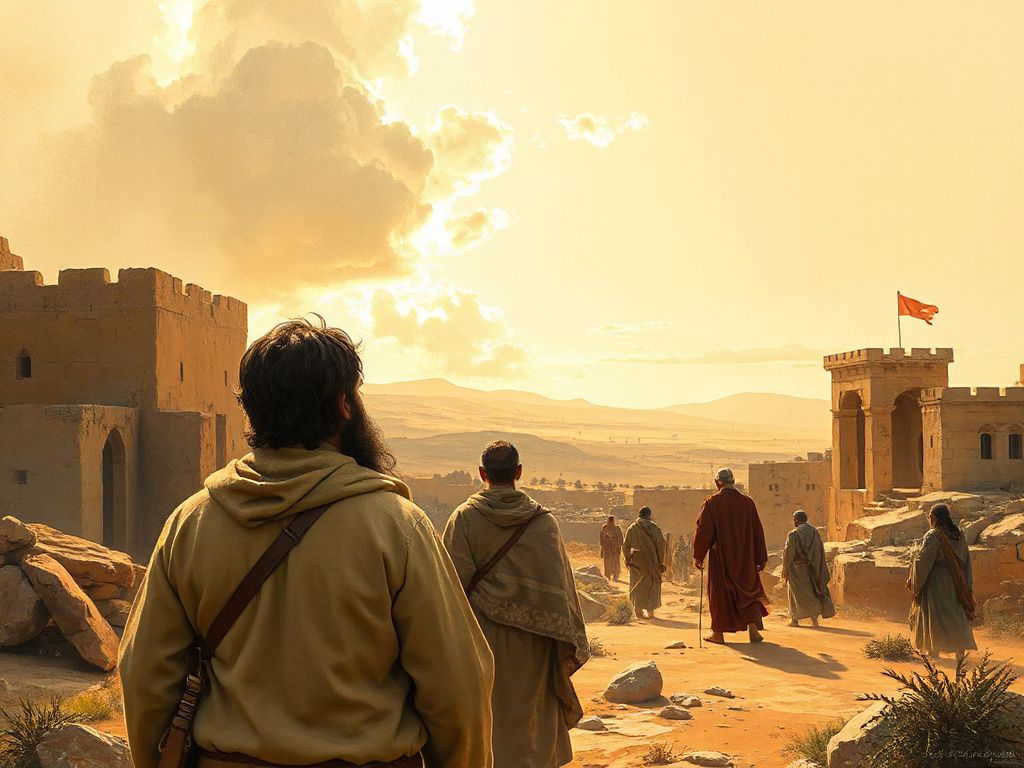
Joel 3:21 — Jehová mora en Sion, expiación consumada
Joel 3:21 cierra la profecía al prometer que Jehová vengará la sangre inocente derramada contra Judá y morará en Sion.
Escritura
- 21.Y limpiaré la sangre de los que no había limpiado; y Jehová morará en Sion.And I will cleanse their blood, that I have not cleansed: for Jehovah dwelleth in Zion.
Qué significa este pasaje
El versículo contiene dos cláusulas unidas por causa y efecto. La primera declara que Jehová " limpiará" o "vengará" la sangre que antes había quedado sin retribución. El sentido hebreo combina las ideas de purgar la culpa y ejecutar justicia sobre aquellos que derramaron sangre inocente, como se nombra en los versículos precedentes (Egipto y Edom, 3:19). El uso de "su sangre" en lugar de "la sangre de los inocentes" mantiene el enfoque en la maldad de los perpetrators que demandaba compensación.
Joel 3:19 señaló a Egipto y Edom por su violencia contra Judá y por derramar sangre inocente en su tierra. El versículo 20 luego prometió que "Judá será habitada para siempre, y Jerusalén de generación en generación". El versículo 21 funciona como la firma divina de esa promesa: la razón por la que Jerusalén permanece para siempre es que "Jehová mora en Sion". La morada del Señor es lo que asegura la permanencia de la ciudad y la finalidad de la purificación.
En la forma literaria del libro, esta línea es la confesión culminante. Anteriormente, Joel representó la devastación de la langosta y llamó al arrepentimiento; oráculos posteriores prometieron el derramamiento del Espíritu y la reunión de las naciones para el juicio. El final "porque Jehová mora en Sion" reúne todo el argumento en una sola frase: restauración, juicio y santa presencia de Dios pertenecen juntos. Porque el Señor está presente en Sion, la sangre puede ser purificada y la ciudad puede permanecer para siempre.
Contexto
Joel 3 se estructura alrededor de la reunión de las naciones en el "valle de Josafat" para el juicio (3:2, 12), con imágenes de cosecha y lagar que señalan que el día del Señor ha madurado (3:13–14). El trastorno cósmico acompaña ese día, sin embargo, el Señor se convierte en refugio para su pueblo (3:16). La unidad final (3:17–21) cambia del juicio a la restauración: Jerusalén se vuelve santa, un manantial brota de la casa del Señor, y se promete a Judá habitación eterna. El versículo 21 cierra el capítulo y el libro con una confesión de la presencia divina.
La frase "Jehová mora en Sion" hace eco de 3:17, donde el mismo pensamiento introduce la sección de restauración. Juntos enmarcan la conclusión del libro: la razón por la que la tierra puede ser purificada y el pueblo preservado no es la victoria militar sino la presencia del Señor en su santo monte. El movimiento del libro, desde el lamento y el arrepentimiento hasta este Dios que mora, es lo que sella el versículo 21.
Preguntas frecuentes
¿Por qué el versículo 21 menciona la sangre que el Señor no había " limpiado"?
El versículo señala la derramamiento de sangre contra Judá que, hasta esta intervención final, había quedado sin retribución divina. Los versículos precedentes (3:19–20) nombran a Egipto y Edom como culpables de violencia y sangre inocente; el versículo 21 declara que el Señor ahora saldará esa cuenta, purgando la culpa de la tierra al ejecutar juicio sobre los perpetrators.
¿Cómo funciona "Jehová mora en Sion" como confesión de cierre del libro?
Identifica el fundamento teológico de todo lo prometido en 3:17–20: la santidad de Jerusalén, el manantial que fluye, la permanencia de Judá. Porque el Señor mismo reside en Sion, la ciudad y su pueblo quedan asegurados para siempre. El movimiento del libro, desde el lamento por la langosta a través del arrepentimiento y el juicio, termina en la declaración de la presencia de Dios.
¿Enseña Joel 3:21 que la presencia del Señor garantiza el fin de la derramamiento de sangre inocente?
Dentro del pasaje, la purificación de la sangre y la morada en Sion se unen como causa y fundamento. Donde mora el Señor, la tierra es purificada de la violencia. El versículo no desarrolla una teoría general de la presencia de Dios, pero dentro de la conclusión de Joel vincula el fin de la sangre no vengada con la presencia del Señor en Sion.