ESTUDIO DEL VERSÍCULO
Josué 22:5 — La exhortación de Josué a amar y servir a Jehová
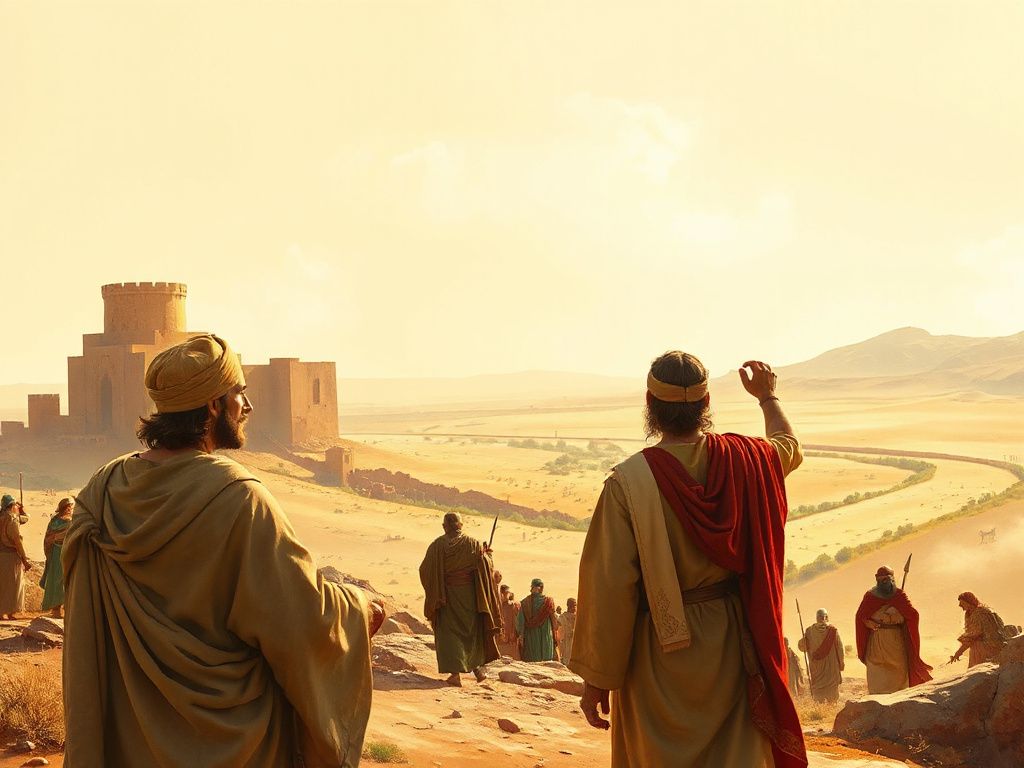
La exhortación de despedida de Josué a los rubenitas, gaditas y media tribu de Manasés resume la fidelidad al pacto en cinco verbos: amar, andar, guardar, apegarse y servir.
Escritura
- 5.Solamente que con diligencia cuidéis de cumplir el mandamiento y la ley que Moisés siervo de Jehová os ordenó: que améis a Jehová vuestro Dios, y andéis en todos sus caminos; que guardéis sus mandamientos, y le sigáis a él, y le sirváis de todo vuestro corazón y de toda vuestra alma.Only take diligent heed to do the commandment and the law which Moses the servant of Jehovah commanded you, to love Jehovah your God, and to walk in all his ways, and to keep his commandments, and to cleave unto him, and to serve him with all your heart and with all your soul.
Qué significa este pasaje
Josué 22:5 comienza con la frase 'solamente tened mucho cuidado', una instrucción intensificada que señala la seriedad de lo que sigue. La construcción hebrea enfatiza una obediencia vigilante y cuidadosa más que un cumplimiento superficial. Josué no está añadiendo una ley nueva, sino dirigiendo a las tribus orientales a cumplir 'el mandamiento y la ley que Moisés siervo de Jehová os prescribió'. Al invocar a Moisés, el versículo vincula el momento presente con la Torá fundacional dada en el Sinaí, presentando la exhortación de Josué como una continuidad del mismo orden del pacto.
El versículo se despliega luego como una cadena de cinco obligaciones del pacto. Amar a Jehová es la disposición interior que motiva el resto. Andar en todos sus caminos describe el patrón externo de la conducta diaria moldeada por su carácter. Guardar sus mandamientos es la obediencia específica a los estatutos revelados. Apegarse a él representa una adhesión firme, rehusando ser separados o apartados. Finalmente, servirle con todo el corazón y con toda el alma reúne las cuatro acciones previas bajo la totalidad de la persona: la voluntad interna y la vida exterior por igual.
Leídas juntas, estas cinco cláusulas forman un retrato concéntrico de devoción: el amor es la raíz, andar y guardar son el fruto, apegarse es el vínculo que mantiene al creyente unido a Dios, y servir es el resultado integral. El doblete 'todo vuestro corazón y toda vuestra alma' responde a una fórmula deuteronómica recurrente y establece un estándar innegociable: la fidelidad a medias queda excluida desde el principio. La exhortación de Josué actúa así como un resumen del pacto, destilando toda la instrucción mosaica en una sola y exigente frase.
Contexto
Josué 22:5 se sitúa dentro de una escena de despedida. Los versículos 2-4 reconocen a las tribus orientales por haber cumplido la exhortación durante la conquista: habían cruzado el Jordán armados para ayudar a sus hermanos, y ahora la tierra ha alcanzado reposo. Cumplida esa misión, Josué las despide hacia la heredad que Moisés les había asignado al otro lado del Jordán. El versículo 5 es la exhortación final dada antes de su partida, por lo que el contexto circundante presenta todo como un encargo de despedida entre un líder reconocido y quienes regresan a su propio territorio.
La urgencia de Josué 22:5 se hace visible en lo que sigue. Después de que las tribus orientales construyen un altar memorial (versículos 10-34), el resto de Israel interpreta el acto como una posible apostasía y casi entra en guerra. Las frases que Josué emplea en el versículo 5 —guardar el mandamiento y apegarse a Jehová— son precisamente los estándares que las tribus occidentales invocarán luego para juzgar el altar de las tribus orientales. Así, el versículo 5 sirve como la base doctrinal contra la cual se mide la posterior controversia del altar.
Preguntas frecuentes
¿Por qué Josué llama a Moisés 'siervo de Jehová' aquí?
El título 'siervo de Jehová' identifica a Moisés como el mediador autorizado de los mandamientos de Dios. Al colocarlo junto a 'el mandamiento y la ley', el versículo fundamenta la instrucción de Josué en la Torá de Moisés y no en la autoridad personal de Josué, mostrando continuidad entre las fases mosaica y josuica del liderazgo de Israel.
¿Qué significa 'apegarse a él' en Josué 22:5?
La frase representa mantenerse firme junto a Dios en una adhesión leal, rehusando ser separados o apartados. En contexto se sitúa entre la obediencia y el servicio, describiendo el vínculo interior persistente que impide que los mandamientos anteriores se conviertan en mero cumplimiento externo.
¿Cómo encaja Josué 22:5 en el resto de Josué 22?
El versículo es el eje del capítulo. Los versículos 1-4 describen por qué las tribus orientales pueden ahora volver a su tierra, el versículo 5 es la exhortación de despedida misma, los versículos 6-9 registran la despedida, y los versículos 10-34 narran la controversia del altar que pone a prueba si las tribus orientales siguen realmente el estándar que Josué establece. La tensión posterior del capítulo hace que la sencilla frase del versículo 5 se lea como el criterio con que se juzga el resto del capítulo.