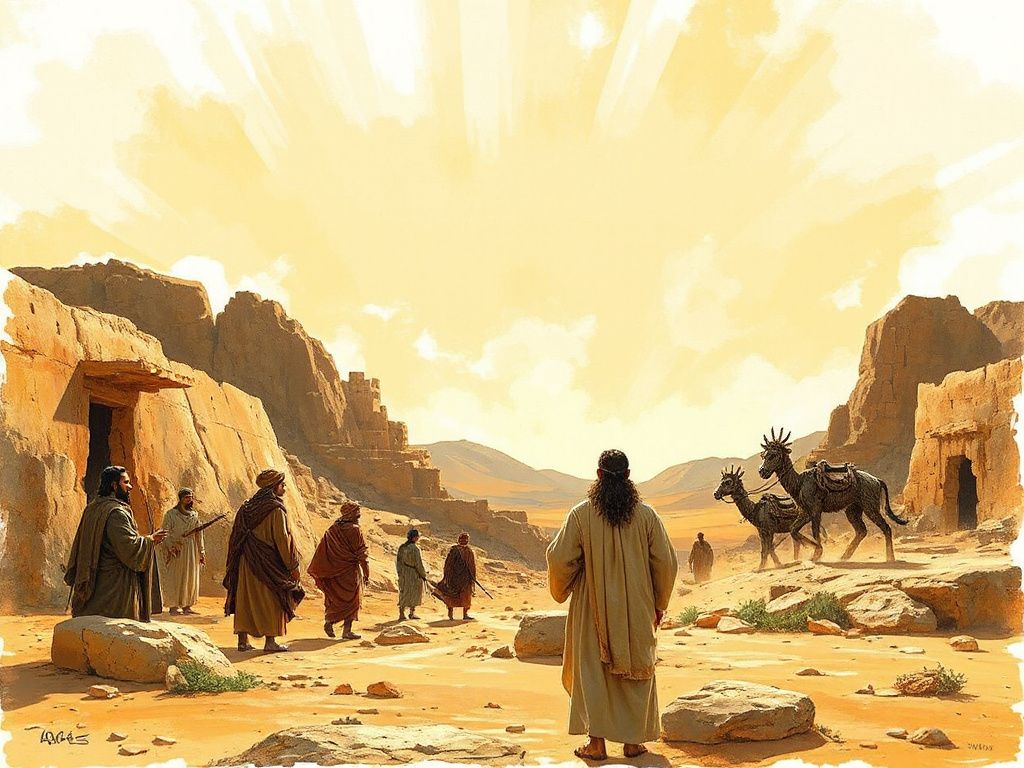
ESTUDIO DEL VERSÍCULO
Abdías 1:15 — El Día de Jehová y la retribución
Abdías 1:15 anuncia que el día de Jehová se acerca para todas las naciones y que Edom será pagada con la misma medida por sus hechos contra Judá.
Escritura
- 15.Porque cercano está el día de Jehová sobre todas las naciones; como tú hiciste se hará contigo; tu recompensa volverá sobre tu cabeza.For the day of Jehovah is near upon all the nations: as thou hast done, it shall be done unto thee; thy dealing shall return upon thine own head.
Qué significa este pasaje
El versículo comienza declarando un horizonte universal de juicio: «el día de Jehová está cerca sobre todas las naciones». La expresión «todas las naciones» amplía el alcance más allá de Edom, encuadrando la calamidad venidera de Edom como un caso dentro de un ajuste de cuentas más amplio en el que cada nación es responsable ante Jehová.
La cláusula central establece el principio de la ley del talión: «como tú has hecho, te será hecho». Las acciones de Edom contra Judá, detalladas anteriormente en los versículos 12–14, se convierten en la medida con la que ella misma será medida. El profeta no especifica un castigo único, sino un espejo estructural: juicio proporcionado a lo cometido.
La línea final, «tu trato volverá sobre tu propia cabeza», hace el principio concreto y físico. La palabra «cabeza» personaliza la consecuencia: lo que Edom desató contra Jerusalén regresa sobre ella misma. Así, el versículo une tres ideas: la inminencia del «día de Jehová», la correspondencia moral entre hecho y retribución, y la certeza de que el agente del daño recibirá el daño devuelto.
Contexto
Dentro del capítulo, el versículo 15 se sitúa entre dos bloques distintos. Los versículos 12–14 enumeran las ofensas de Edom en el día de la calamidad de Jerusalén: ella contempló el desastre, se alegró de Judá, entró por la puerta, saqueó bienes y cortó a los fugitivos. El versículo 15 presenta entonces la tesis teológica que enmarca esas acciones específicas como violaciones responsables ante el «día de Jehová».
Los versículos 16–21 desarrollan la consecuencia. Ebrias en el santo monte, las naciones —principalmente Edom— beberán la copa de la ira y desaparecerán; pero en el monte Sion los que escapen serán santos, y el reino pertenecerá en última instancia a Jehová. Así, el versículo ancla tanto la advertencia a Edom como la esperanza más amplia del reinado de Dios establecido sobre todas las naciones.
Preguntas frecuentes
¿Qué es «el día de Jehová» en Abdías 1:15?
Dentro del texto proporcionado, «el día de Jehová» es el momento del ajuste de cuentas declarado por el profeta contra Edom, descrito como «cercano» y que se extiende a «todas las naciones». Funciona en este versículo como un tiempo de retribución en el que los hechos y las consecuencias se corresponden.
¿Por qué se señala a Edom en el pasaje circundante?
Los versículos 12–14 describen la conducta específica de Edom hacia Judá en el momento del desastre de Jerusalén: observar, alegrarse, saquear y bloquear a los fugitivos. El versículo 15 aplica entonces el principio de la ley del talión —«como tú has hecho, te será hecho»— a esos actos enumerados.
¿Qué implica el versículo acerca de las otras naciones además de Edom?
Dado que el versículo afirma que «el día de Jehová está cerca sobre todas las naciones», y los versículos 16–18, 21 extienden la imagery del fuego y de beber a «todas las naciones» y a la casa de Esaú específicamente, el texto presenta a Edom como un ejemplo dentro de un ajuste de cuentas más amplio que alcanzará a cada nación.