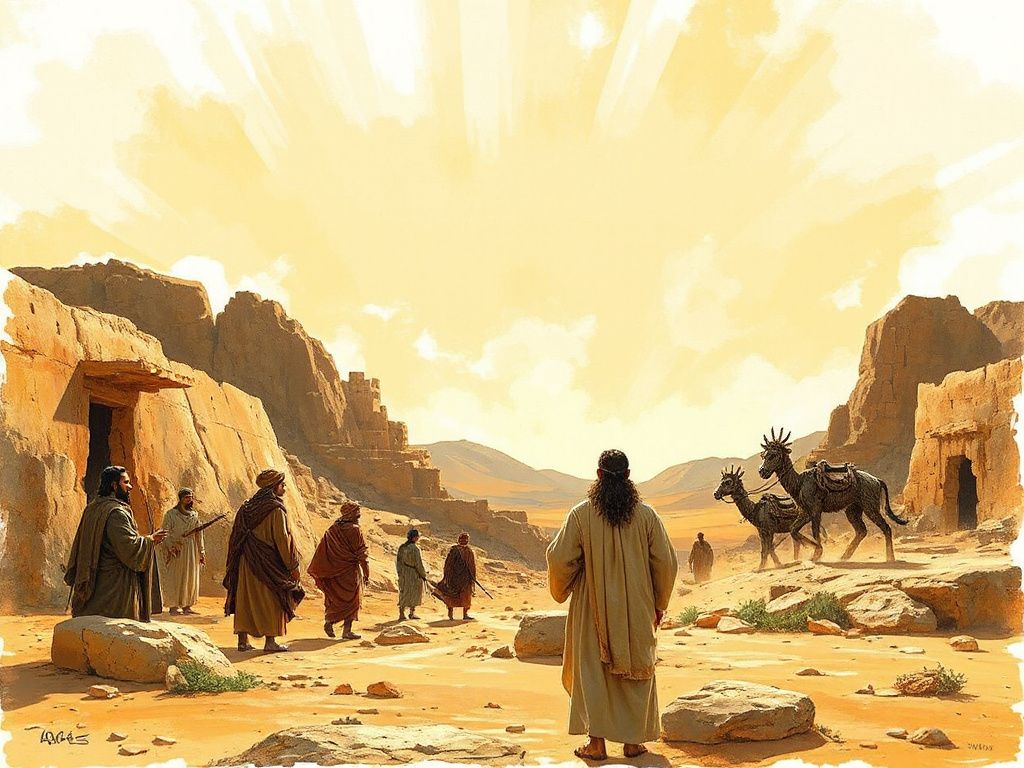
ESTUDIO DEL VERSÍCULO
Abdías 1:21 — El Reino pertenece a Jehová
El versículo final de Abdías anuncia que los libertadores subirán al monte Sion para juzgar a Esaú, y el reino será de Jehová.
Escritura
- 21.Y subirán salvadores al monte de Sion para juzgar al monte de Esaú; y el reino será de Jehová.And saviours shall come up on mount Zion to judge the mount of Esau; and the kingdom shall be Jehovah's.
Qué significa este pasaje
El versículo 21 es la conclusión culminante de Abdías. Los libertadores ('salvadores') que suben al monte Sion son los agentes mediante los cuales se lleva a cabo el juicio descrito anteriormente — Jacob como fuego, José como llama, Esaú como hojarasca (v. 18). El versículo identifica al monte Sion, no al monte de Esaú, como la sede desde la cual procede este dominio.
La frase 'para juzgar el monte de Esaú' vincula el versículo directamente con el v. 18, donde la casa de Esaú es quemada y devorada. El juicio aquí no es meramente forense sino gubernamental: los libertadores establecen orden sobre lo que era territorio hostil. El monte Sion y el monte de Esaú forman un contraste deliberado que recorre todo el capítulo — Sion representa al pueblo de Dios preservado (v. 17), Esaú representa la nación condenada (v. 10).
La declaración final, 'y el reino será de Jehová', es la corona teológica. Después de veinte versículos de acusación contra Edom y restauración para Jacob, el libro resuelve toda soberanía en las manos de Jehová. El capítulo advirtió antes que 'el día de Jehová está cerca sobre todas las naciones' (v. 15); el versículo 21 responde a esa advertencia nombrando a Aquel a quien pertenece el reino.
Contexto
Abdías es un libro de un solo capítulo, y los versículos 18–21 forman su movimiento conclusivo. Los versículos 17–18 prometen que en el monte Sion habrá quienes escapen y la casa de Jacob poseerá sus propias posesiones; el fuego de Jacob y José consumirá la casa de Esaú. El versículo 19 especifica el cumplimiento geográfico — el Neguev poseerá a Esaú, la llanura baja a los filisteos — y el versículo 20 extiende esto incluso a los exiliados dispersos. El versículo 21 nombra entonces a los actores y el resultado: libertadores en Sion juzgando a Esaú, y el reino perteneciendo a Jehová.
Todo el capítulo construye hacia este versículo. El crimen de Edom — estar 'al otro lado' cuando Jerusalén cayó (v. 11), alegrarse de la destrucción de Judá, entregar a los supervivientes (vv. 12–14) — es respondido por el principio de la ley del talión en el v. 15: 'como tú has hecho, te será hecho.' El versículo 21 completa la inversión: en lugar de que Edom actúe contra Jacob, los libertadores de Sion actúan contra Edom, y la soberanía última descansa en Jehová.
Preguntas frecuentes
¿Por qué el versículo usa 'salvadores' en plural?
El texto hebreo usa una forma plural, indicando un grupo de libertadores en lugar de una sola figura. El versículo 21 retrata la restauración de la posesión de Jacob como una acción corporativa, consistente con los vv. 19–20, que describen múltiples regiones y tribus poseyendo territorio.
¿Cuál es la relación entre el monte Sion y el monte de Esaú en este versículo?
Las dos montañas forman un contraste deliberado. El monte Sion es la sede desde la cual surgen los libertadores y el lugar que Dios declara santo (v. 17); el monte de Esaú es el territorio sometido bajo su juicio. El versículo sitúa la fuente de autoridad y salvación en Sion, y el objeto del juicio en Esaú.
¿Cómo funciona 'el reino será de Jehová' como conclusión del libro?
La declaración resuelve la pregunta planteada en el v. 15 — 'el día de Jehová está cerca sobre todas las naciones.' Después de veinte versículos detallando el juicio de Edom y la restauración de Jacob, el versículo 21 responde nombrando al soberano último. El reino no pasa a Israel en ningún sentido final o independiente; pertenece a Jehová, terminando el capítulo con una nota teocéntrica más que nacional.