ESTUDIO DEL VERSÍCULO
Abdías 1:3-4 — El orgullo del corazón engañado
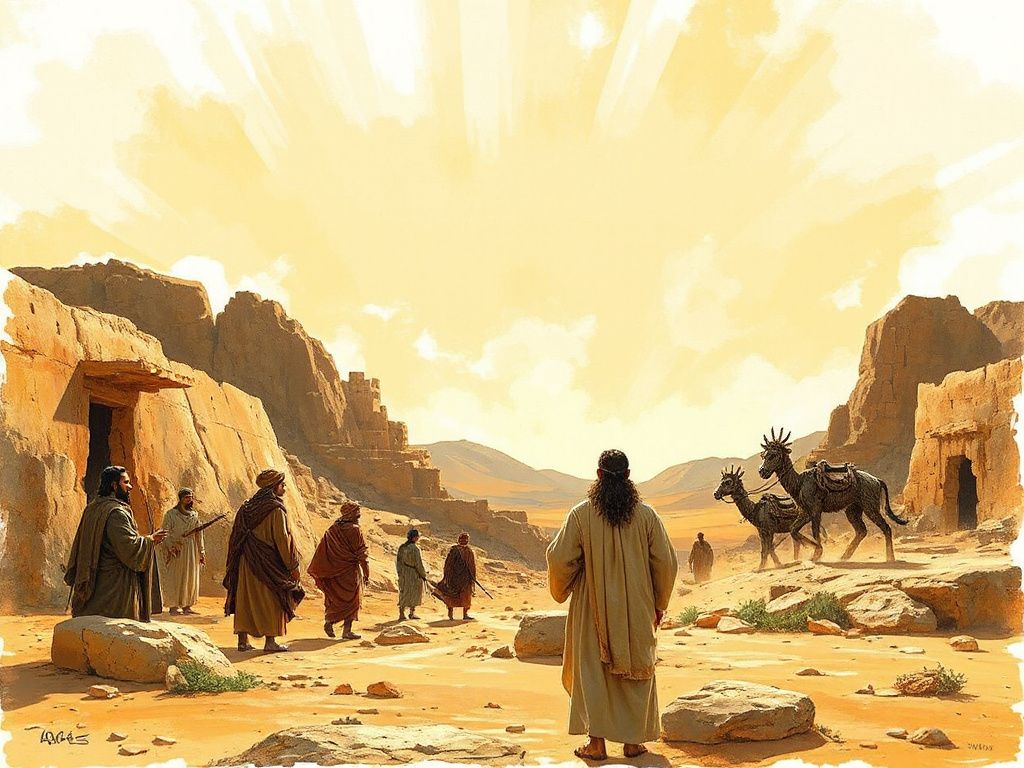
La confianza de Edom, arraigada en un terreno rocoso y en una morada elevada, ha engañado al corazón haciéndole creer que nadie puede hacerlo caer; Jehová responde que aun un nido alto como las estrellas será arrancado.
Escritura
- 3.La soberbia de tu corazón te ha engañado, tú que moras en las hendiduras de las peñas, en tu altísima morada; que dices en tu corazón: ¿Quién me derribará a tierra?The pride of thy heart hath deceived thee, O thou that dwellest in the clefts of the rock, whose habitation is high; that saith in his heart, Who shall bring me down to the ground?
- 4.Si te remontares como águila, y aunque entre las estrellas pusieres tu nido, de ahí te derribaré, dice Jehová.Though thou mount on high as the eagle, and though thy nest be set among the stars, I will bring thee down from thence, saith Jehovah.
Qué significa este pasaje
Los versículos 3-4 diagnostican la causa interna detrás de la próxima caída de Edom: el orgullo del corazón ha engañado al que habita en las hendiduras de la roca. Las fortalezas rocosas se presentan como la base visible de una actitud invisible: una confianza en sí mismo que confunde la geografía con la seguridad. La pregunta retórica '¿Quién me hará descender a la tierra?' muestra que el engaño ha alcanzado el nivel de una afirmación interior, una convicción asentada de que ningún enemigo, humano o de otro tipo, puede desplazarlos.
El segundo versículo intensifica la imagen con dos extremos paralelos: subir a lo alto como el águila y poner el nido entre las estrellas. El punto no es que Edom alcanzara literalmente los cielos, sino que la jactancia lleva la metáfora tan lejos como el lenguaje puede llevarla: no queda un lugar más alto que reclamar. Frente a esta máxima autoexaltación, 'de allí te haré descender, dice Jehová' se alza como una respuesta directa. El habla divina en primera persona responde deliberadamente a la jactancia humana en primera persona: donde Edom pregunta '¿Quién?', Jehová responde 'Yo'.
El pasaje opera, por tanto, mediante contraste: el orgullo humano infla al yo hasta imaginarse inalcanzable, mientras la soberanía divina responde en persona. El 'de allí' es el eje: cualquier altura que Edom haya elegido, esa misma altura se convierte en el punto desde el cual comienza el juicio. El cierre 'dice Jehová' ancla toda la declaración como palabra de pacto, no como mera predicción, dando a la condenación el peso de un juramento.
Contexto
El pasaje abre el cuerpo del oráculo después del titular en los versículos 1-2. El versículo 1 enmarca a Edom como el destinatario de un mensaje divino enviado 'entre las naciones', y el versículo 2 anuncia que Jehová ya ha hecho a Edom pequeño y despreciable. Los versículos 3-4 entonces exponen la actitud interior que hace necesario este juicio: un corazón engañado por su propia morada elevada. El capítulo continúa catalogando las pérdidas de Edom: tesoros registrados, aliados engañados (v. 7), hombres sabios destruidos (v. 8), y fundamenta todo en la violencia hecha a 'tu hermano Jacob' (v. 10). La estructura poética de vv. 3-4 establece así una relación de causa y efecto: el orgullo nombrado aquí es el mismo orgullo que luego se vincula con la ofensa específica contra Judá.
Dentro del argumento general del capítulo, los versículos 3-4 aportan el diagnóstico antes de que el capítulo despliegue los síntomas y el veredicto. El lenguaje 'sube a lo alto como el águila… entre las estrellas' no es un comentario geográfico sino un espejo levantado ante la autopercepción de Edom, y se empareja con el cierre 'el reino será de Jehová' (v. 21) al contrastar la jactancia de la criatura con el dominio del Señor que la derriba. Sin embargo, el capítulo no amplía el trasfondo histórico del habitar rocoso de Edom más allá de lo que estos mismos versículos declaran.
Preguntas frecuentes
¿A quién se dirige la expresión 'tú que habitas en las hendiduras de la roca?'
Dentro del encuadre propio del capítulo, el destinatario es Edom (vv. 1, 8) y 'el monte de Esaú' (v. 8), presentado como el receptor de la palabra de Jehová a través de las naciones. El capítulo no especifica qué sitios rocosos se entienden más allá de identificar a los habitantes con Edom mismo.
¿'Sube a lo alto como el águila… entre las estrellas' es literal o figurado?
El capítulo presenta el lenguaje como una figura retórica que lleva la jactancia de Edom a su máximo. El punto del pasaje es el contraste entre la jactancia y el 'de allí te haré descender' de Jehová, no una afirmación geográfica sobre la altitud.
¿Cuál es la relación entre el orgullo en vv. 3-4 y la acusación en v. 10?
Los versículos 3-4 identifican la disposición interior —un corazón engañado por su propia seguridad y autoexaltación—, mientras que el v. 10 especifica el acto exterior que produjo: 'la violencia hecha a tu hermano Jacob'. En la lógica del capítulo, el corazón jactancioso es la raíz y la violencia contra Jacob es el fruto que atrae el veredicto de ser 'cortado para siempre'.