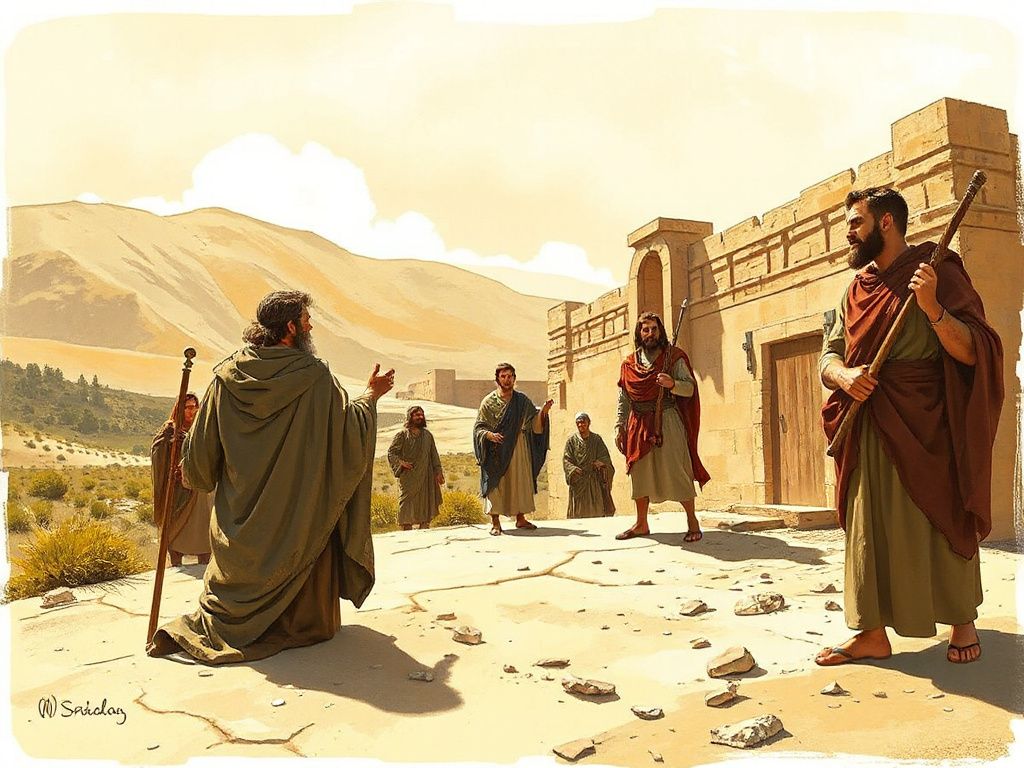
ESTUDIO DEL VERSÍCULO
Salmos 110:1 — El Señor a la diestra
Jehová ordena al Señor de David sentarse a su diestra hasta que los enemigos sean puestos por estrado de sus pies, declarando la entronización real.
Escritura
- 1.Jehová dijo a mi Señor: Siéntate a mi diestra, Hasta que ponga a tus enemigos por estrado de tus pies.A Psalm of David. Jehovah saith unto my Lord, Sit thou at my right hand, Until I make thine enemies thy footstool.
Qué significa este pasaje
El versículo 1 comienza con el epígrafe «Salmo de David», atribuyendo el poema a David y enmarcando su contenido como composición suya. Dentro del salmo, David relata un discurso divino: «Jehová dijo a mi Señor». Aparecen dos figuras distintas: el que habla, Jehová, y el destinatario, «mi Señor» (ʾădōnî). David llama a esta segunda figura «mi Señor» mientras registra las palabras que Jehová le dirige, estableciendo una escena de comunicación entre dos personas de autoridad.
El mandato «Siéntate a mi diestra» coloca al Señor destinatario en la posición de honor junto al Rey entronizado. En el lenguaje regio del antiguo Cercano Oriente, sentarse a la diestra de un rey significaba compartir la prerrogativa y el gobierno reales. El verbo hebreo yāšab («sentarse») aquí es durativo — «estar sentado» —, lo que indica una posición de autoridad establecida y no una visita breve. El versículo todavía no identifica quién es este Señor; simplemente presenta a David escuchando cómo Jehová se dirige a él.
La cláusula de duración, «Hasta que ponga a tus enemigos por estrado de tus pies», fija la duración de la entronización: dura hasta que Jehová somete a los enemigos del Señor destinatario. La imagen del estrado retrata la derrota total de los enemigos bajo los pies del vencedor, una imagen común en el Antiguo Testamento de la conquista consumada (cf. Jos. 10:24). El que habla, Jehová, es quien lleva a cabo esta subyugación; el Señor destinatario reina mientras se desarrolla.
Contexto
El Salmo 110 no tiene versículos previos en el capítulo, así que el versículo 1 abre directamente el salmo. El epígrafe sitúa el salmo entre los salmos davídicos y establece el tono de un discurso real. Los versículos que siguen — Jehová enviando la vara de poder desde Sión (v. 2), el pueblo sirviendo de buena gana en el día del poder (v. 3), el sacerdocio jurado según el orden de Melquisedec (v. 4), el Señor a la diestra hiriendo a reyes (v. 5), juzgando entre las naciones (v. 6), y bebiendo del arroyo antes de levantar la cabeza (v. 7) — todos extienden la escena de entronización presentada en el versículo 1. La nota proporcionada en el material fuente identifica este salmo como un salmo real frecuentemente citado en el Nuevo Testamento para proclamar la exaltación de Cristo, enmarcando la recepción del salmo en la tradición cristiana.
El versículo 1 mismo contiene la afirmación central de la que se desarrolla el salmo: a una figura que David llama «mi Señor» se le invita a sentarse a la diestra de Jehová hasta que sus enemigos sean sometidos. El marco real-mesiánico da forma a todo el salmo, pues la vara enviada desde Sión (v. 2), el sacerdocio melquisedeciano (v. 4) y el Señor que juzga a la diestra (v. 5) desarrollan la entronización anunciada aquí por primera vez.
Preguntas frecuentes
¿Quién habla y a quién se dirige en Salmos 110:1?
El versículo informa que Jehová habla a alguien a quien David llama «mi Señor». Jehová es el que habla; el destinatario es «mi Señor» (ʾădōnî). David es quien transmite el discurso que oyó.
¿Qué significa «sentarse a mi diestra»?
En el lenguaje regio del texto, sentarse a la diestra del Rey entronizado indica compartir la autoridad y el gobierno reales. El verbo es durativo, lo que indica una posición establecida de honor.
¿Cuánto durará la entronización?
El versículo afirma que la entronización dura «hasta» que Jehová pone a los enemigos por estrado de sus pies. La duración está limitada por la finalización de la subyugación de los enemigos, que Jehová lleva a cabo.