ESTUDIO DEL VERSÍCULO
Cantares 6:3 — Pertenencia mutua entre los lirios
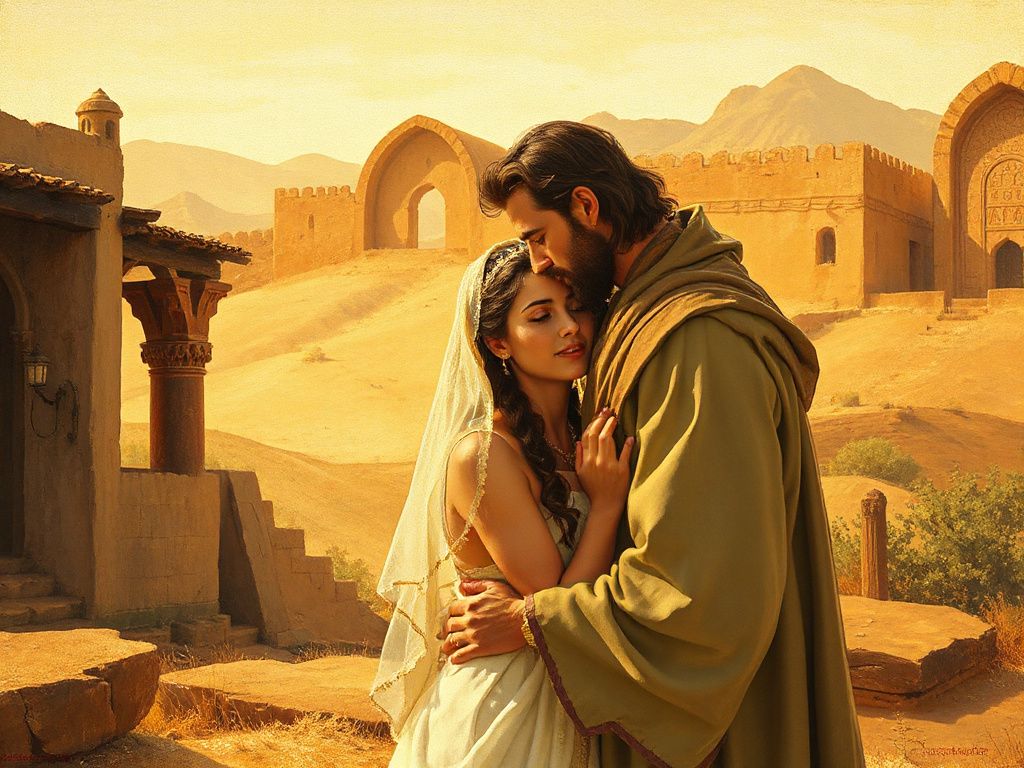
La sulamita declara pertenencia recíproca a su amado, en contraste con la imagen pastoral de él apacentando entre los lirios.
Escritura
- 3.Yo soy de mi amado, y mi amado es mío; El apacienta entre los lirios.I am my beloved's, and my beloved is mine; He feedeth his flock among the lilies,
Qué significa este pasaje
El versículo se abre con una confesión recíproca: 'Yo soy de mi amado, y mi amado es mío'. El quiasmo (amado / mío / amado / mío) sitúa cada afirmación dentro de la otra, de modo que posesión y pertenencia se expresan como un vínculo único y mutuo, y no como una reivindicación unilateral. La doble afirmación responde a la separación recién descrita en 6:1–2, donde las hijas de Jerusalén preguntan adónde ha ido el amado y ella reporta que él 'bajó a su huerto' para apacentar y recoger lirios.
El segundo estico —'Él apacienta su rebaño entre los lirios'— presenta al amado como un pastor en el pasto dentro de un campo florido. El apacentar entre lirios vincula su cuidado pastoral al mismo escenario del huerto de 6:2, donde el huerto contiene eras de especias y lirios. La imagen presenta su actividad como pausada y tierna: el que cuida el rebaño lo hace en un lugar de belleza, no de fatiga.
Leídas juntas, las dos mitades yuxtaponen lenguaje de pacto e imaginería pastoral. La declaración de pertenencia no flota al margen de su trabajo cotidiano; está anclada en la escena de él apacentando entre los lirios. El versículo une así identidad (de quién es ella y de quién es él) con vocación (lo que él está haciendo), de modo que la posesión mutua se describe en términos concretos y pastorales.
Contexto
El capítulo 6 se abre con una breve separación: las hijas de Jerusalén preguntan adónde ha ido el amado (6:1), y la mujer responde que él ha descendido a su huerto para apacentar y recoger lirios (6:2). El versículo 3 se sitúa en el quicio de este intercambio, donde la pregunta por la ausencia se responde no con ubicación, sino con pertenencia.
Después de 6:3, el enfoque se desplaza hacia una descripción sostenida de la belleza de la mujer, usando comparaciones reales y marciales —Tirsá, Jerusalén, estandartes (6:4)— junto con imaginería corporal de cabello, dientes y sienes (6:5–7). La afirmación recíproca de 6:3 se erige así como el centro teológico y relacional alrededor del cual giran las descripciones circundantes de la belleza.
Preguntas frecuentes
¿Por qué el versículo enuncia la pertenencia dos veces, una en cada dirección?
La doble afirmación 'Yo soy de mi amado, y mi amado es mío' emplea una estructura quiasmática, de modo que cada cláusula envuelve a la otra, expresando el vínculo como plenamente mutuo y no como unilateral.
¿Qué añade 'apacentar su rebaño entre los lirios' a la declaración de pertenencia?
Ancla la afirmación relacional en una escena pastoral concreta. El mismo huerto de lirios mencionado en 6:2 se convierte en el lugar donde se realiza su labor de pastoreo, de modo que la pertenencia mutua se describe en el escenario de su cuidado cotidiano.
¿Dónde se ubica este versículo en el desarrollo del capítulo 6?
Se sitúa inmediatamente después de la breve escena de separación de 6:1–2 e inmediatamente antes de la extensa descripción de la belleza de la mujer en 6:4–7, funcionando como el quicio que responde a la ausencia con pertenencia.