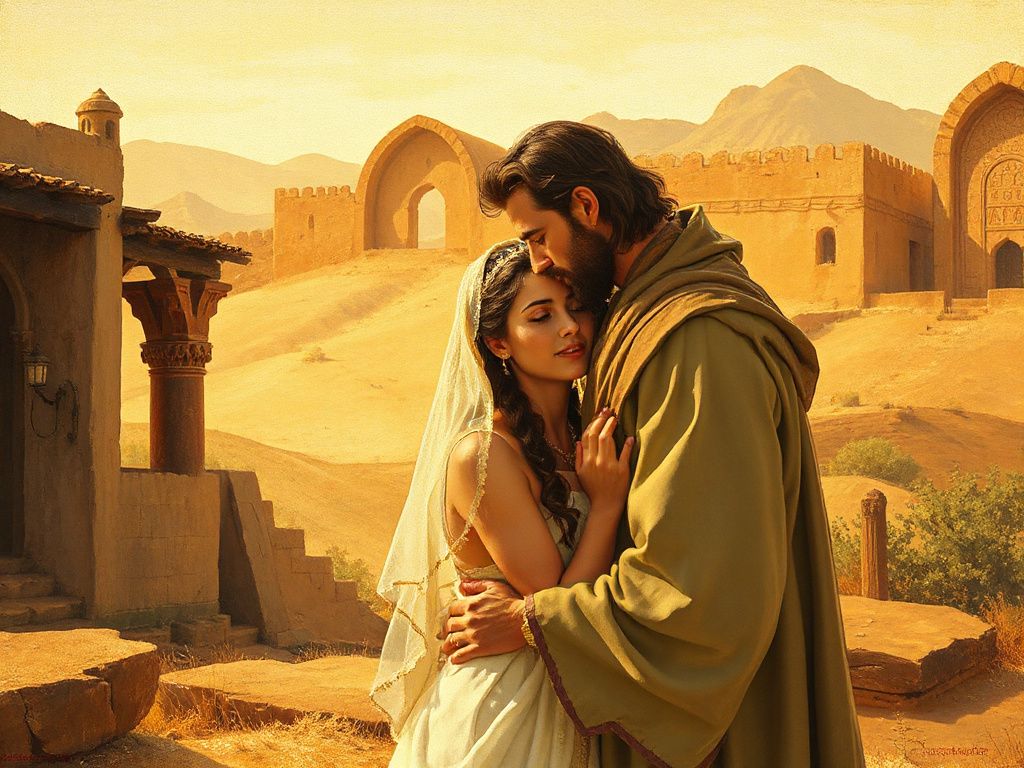
ESTUDIO DEL VERSÍCULO
Cantares 8:7 — El fuego inextinguible del amor
Cantares 8:7 proclama que el amor es un fuego inextinguible que ninguna cantidad de agua o inundación puede extinguir, y que no puede comprarse con toda la riqueza de una casa.
Escritura
- 7.Las muchas aguas no podrán apagar el amor, Ni lo ahogarán los ríos. Si diese el hombre todos los bienes de su casa por este amor, De cierto lo menospreciarían.Many waters cannot quench love, Neither can floods drown it: If a man would give all the substance of his house for love, He would utterly be contemned.
Qué significa este pasaje
El versículo 7 continúa la declaración que se inicia en el versículo 6: que el amor es comparable a la muerte y al Seol en su fuerza, y es una llama de fuego. El versículo ahora pasa de la intensidad del amor a su indestructibilidad. Muchas aguas, dice el texto, no pueden apagar el amor, ni los ríos pueden ahogarlo. El emparejamiento de aguas y ríos enfatiza que ninguna escala de fuerza puede vencerlo: ni las aguas ordinarias ni las inundaciones abrumadoras. El movimiento literario va de la comparación del versículo 6 (el amor es fuerte como la muerte, los celos como el Seol) a la consecuencia expresada en el versículo 7 (tal fuerza no puede ser extinguida).
La segunda mitad del versículo pasa de la inutilidad del agua a la inutilidad del dinero. Si un hombre ofreciera toda la sustancia de su casa por amor, sería completamente despreciado: la oferta sería rechazada con desdén. El punto no es que el amor sea escaso, sino que el amor no es una mercancía. Su origen es la llama de Jehová mencionada en el versículo 6, y precisamente por ese origen divino no puede ser objeto de transacciones. La nota final de desprecio es el veredicto más contundente posible: incluso la oferta más rica imaginable es rechazada con desdén.
Leídos juntos, el versículo establece una doble imposibilidad. Primero, el amor no puede ser extinguido por fuerzas externas (aguas, ríos). Segundo, el amor no puede ser adquirido por recursos humanos (sustancia de una casa). La estructura gramatical —dos imposibilidades paralelas seguidas de una oferta hipotética y su despectivo rechazo— forma un clímax. El versículo presenta el amor como algo que resiste tanto a la destrucción como a la compra, enmarcándolo como una realidad inalienable arraigada en el fuego que el versículo anterior denomina como una misma llama de Jehová.
Contexto
El versículo 7 es la segunda mitad de una única declaración poética que comienza en el versículo 6 y va seguida inmediatamente por la respuesta de la novia en el versículo 10 y el diálogo de cierre del cántico (versículos 8–14). El capítulo se abre con el anhelo de la novia por la cercanía del amado (versículos 1–3), incluye el encargo a las hijas de Jerusalén de no despertar el amor hasta que él quiera (versículo 4), y luego llega a la confesión culminante del versículo 6: el amor es fuerte como la muerte, los celos son crueles como el Seol, y sus destellos son destellos de fuego, una misma llama de Jehová. El versículo 7 extiende naturalmente esa confesión al establecer lo que tal fuego no puede sufrir: ni la extinción ni el intercambio.
El versículo se alza como el punto culminante teológico del movimiento de cierre del cántico. Lo que sigue en los versículos 8–10 cambia al hablante y a la imaginería: los hermanos hablan de la hermanita, y la novia declara «yo soy un muro», antes de que la sección de cierre en los versículos 11–14 se vuelva hacia la viña de Salomón y la llamada final al amado para que se apresure por los montes de especias. Leído en esta posición, el versículo 7 funciona como la bisagra que fundamenta el resto del capítulo: porque el amor es un fuego inextinguible e impagable, las declaraciones posteriores de la novia y las súplicas finales del cántico llevan el peso de esa confesión previa.
La nota curatorial adjunta al versículo resume la fuerza del pasaje: el amor es una llama de Yah, un fuego divino que ninguna riqueza puede comprar, declarando el origen sagrado del amor verdadero. Esta formulación concuerda con el movimiento del versículo desde la comparación del amor con la muerte y el Seol hasta el veredicto de que toda la sustancia de una casa sería despreciada si se ofreciera por él. La nota enmarca la lógica textual sin añadir afirmaciones externas: identifica lo que el versículo mismo atribuye al amor, su origen divino y su resistencia a ser comprado.
Preguntas frecuentes
¿Por qué el versículo menciona tanto aguas como ríos?
El versículo empareja los dos términos para enfatizar que ninguna escala de fuerza externa puede vencer al amor: ni las aguas ordinarias ni las inundaciones abrumadoras. El movimiento progresivo de aguas a ríos intensifica la afirmación: incluso la mayor inundación concebible no puede ahogar lo que el amor es.
¿Qué significa que un hombre que ofrezca toda su sustancia sería despreciado?
El versículo establece que incluso la oferta más rica posible, toda la sustancia de una casa, sería completamente despreciada si se hiciera por amor. El punto es que el amor no es una mercancía. Su origen es el fuego divino mencionado en el versículo 6, y debido a ese origen no puede ser comprado ni transado. El rechazo con desprecio es el veredicto más contundente que el texto puede dar contra tratar al amor como algo que el dinero pueda adquirir.
¿Cómo se relaciona el versículo 7 con el versículo 6?
El versículo 7 es la extensión natural del versículo 6. El versículo 6 establece la comparación: el amor es fuerte como la muerte, los celos son crueles como el Seol, y sus destellos son fuego, una misma llama de Jehová. El versículo 7 entonces establece lo que se sigue de tal fuego: ni las aguas ni los ríos pueden apagarlo, y ninguna cantidad de riqueza puede comprarlo. Los dos versículos juntos forman una sola declaración cuyo movimiento va de la naturaleza del amor a sus consecuencias: porque el amor es lo que el versículo 6 dice que es, el versículo 7 afirma que nada puede extinguirlo ni comprarlo.