经文研读

1 Chronicles 13:2-3 — David's Call to Bring the Ark Home

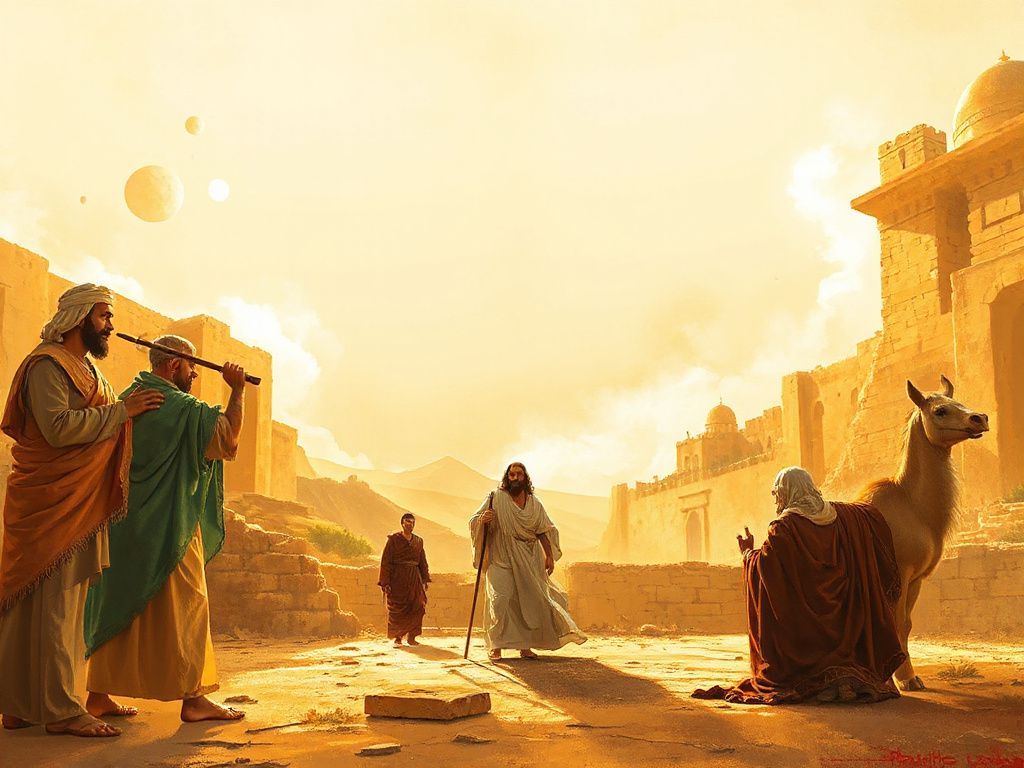
David consults the whole assembly of Israel and proposes to gather the people, including the priests and Levites, to bring the ark of God back to center stage, acknowledging that during Saul's reign it had been neglected.

经文

  1. 2.大 衛 對 以 色 列 全 會 眾 說 : 你 們 若 以 為 美 , 見 這 事 是 出 於 耶 和 華 ─ 我 們 的   神 , 我 們 就 差 遣 人 走 遍 以 色 列 地 , 見 我 們 未 來 的 弟 兄 , 又 見 住 在 有 郊 野 之 城 的 祭 司 利 未 人 , 使 他 們 都 到 這 裡 來 聚 集 。And David said unto all the assembly of Israel, If it seem good unto you, and if it be of Jehovah our God, let us send abroad every where unto our brethren that are left in all the land of Israel, with whom the priests and Levites are in their cities that have suburbs, that they may gather themselves unto us;
  2. 3.我 們 要 把   神 的 約 櫃 運 到 我 們 這 裡 來 ; 因 為 在 掃 羅 年 間 , 我 們 沒 有 在 約 櫃 前 求 問   神 。and let us bring again the ark of our God to us: for we sought not unto it in the days of Saul.

这段经文的意思

The passage opens a national initiative. David does not act alone; he addresses "all the assembly of Israel," indicating that recovering the ark is framed as a covenant-wide concern, not a private or merely political one. His opening condition, "If it seem good unto you, and if it be of Jehovah our God," binds human consensus to divine will: the plan is to be ratified both by the people and by the Lord.

The practical shape of the proposal is to send messengers throughout the land to summon the remaining Israelites, the priests, and the Levites living in their pasture cities. The wording "that are left in all the land of Israel" suggests a remnant-like gathering, drawing in those who would otherwise be dispersed. The inclusion of the priests and Levites highlights that the ark is not merely a national symbol but the focal point of priestly service and worship.

The stated motive is the key theological statement: "let us bring again the ark of our God to us: for we sought not unto it in the days of Saul." The verb "sought" ("enquired" in some traditions) implies communing with God's presence through the ark. The note about Saul's reign is an indictment of an era in which the symbol of divine kingship sat in obscurity while the nation drifted. David's initiative is therefore framed as a restoration of proper relationship with God, not merely a relocation of a religious object.

背景

Verse 1 sets the stage by noting that David first consulted the captains of thousands and hundreds and every leader, so that the public proposal in verses 2-3 follows a private vetting by leaders. The assembly's response in verse 4 affirms the plan, and verse 5 describes David gathering Israel from the brook of Egypt to the entrance of Hamath — a west-to-east span meant to signal the entire nation's participation.

The chapter that follows the target passage recounts the actual transport of the ark from Kiriath-jearim on a new cart, Uzza's death for touching it, and the ark's three-month stay at the house of Obed-edom, where God blessed that household. The careful, worshipful tone of the proposal in verses 2-3 contrasts with the unsuccessful method that follows, foreshadowing the tension between right intentions and right procedure that the rest of the chapter explores.

常见问题

Why does David consult the whole assembly rather than acting by royal decree?

The passage frames the move of the ark as a covenant-wide event requiring both human consensus ("if it seem good unto you") and divine sanction ("if it be of Jehovah our God"). By addressing the assembly, David presents the restoration of worship as a shared responsibility of the people, not a solo decision of the king.

What does it mean that Israel "sought not unto it in the days of Saul"?

The phrase presents the ark as the place where God's presence was to be sought, and the reference to Saul's reign acknowledges that this seeking had been neglected during that period. David's statement is a candid critique of the prior era, in which the symbol of divine kingship sat in obscurity while the nation pursued other directions.

Why are the priests and Levites specifically mentioned in the messengers' task?

The priests and Levites are the designated ministers of the ark, so the gathering cannot be considered legitimate without their participation. By singling them out, David signals that the move is not merely a military or political mobilization but a properly ordered act of worship that requires its appointed servants.

继续研读

HomeDiscoverStudyReadMe