章节研读
撒母耳记上 3 章 —— 撒母耳蒙召
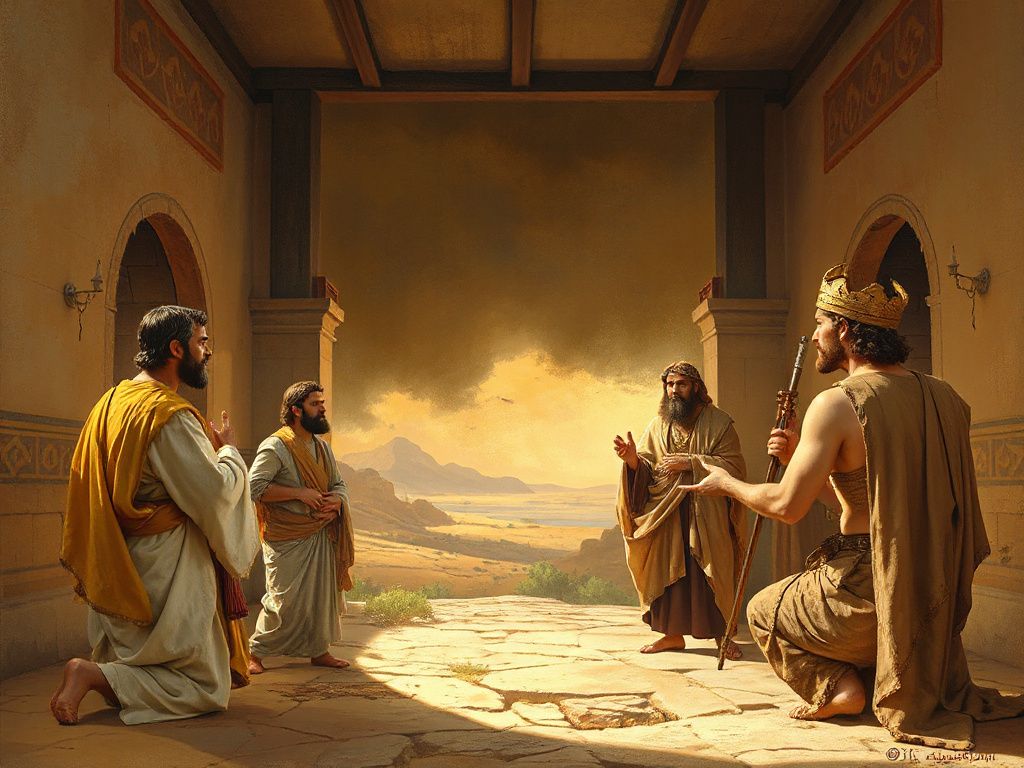
在异象稀少的日子里,耶和华在示罗的会幕中三次呼召年幼的撒母耳;在以利的指导下,撒母耳学会如何回应,随后被告知审判将临到以利家。
经文
- 1.童 子 撒 母 耳 在 以 利 面 前 事 奉 耶 和 華 。 當 那 些 日 子 , 耶 和 華 的 言 語 稀 少 , 不 常 有 默 示 。And the child Samuel ministered unto Jehovah before Eli. And the word of Jehovah was precious in those days; there was no frequent vision.
- 2.一 日 , 以 利 睡 臥 在 自 己 的 地 方 ; 他 眼 目 昏 花 , 看 不 分 明 。And it came to pass at that time, when Eli was laid down in his place (now his eyes had begun to wax dim, so that he could not see),
- 3.神 的 燈 在 神 耶 和 華 殿 內 約 櫃 那 裡 , 還 沒 有 熄 滅 , 撒 母 耳 已 經 睡 了 。and the lamp of God was not yet gone out, and Samuel was laid down to sleep, in the temple of Jehovah, where the ark of God was;
- 4.耶 和 華 呼 喚 撒 母 耳 。 撒 母 耳 說 : 我 在 這 裡 !that Jehovah called Samuel; and he said, Here am I.
- 5.就 跑 到 以 利 那 裡 , 說 : 你 呼 喚 我 ? 我 在 這 裡 。 以 利 回 答 說 : 我 沒 有 呼 喚 你 , 你 去 睡 罷 。 他 就 去 睡 了 。And he ran unto Eli, and said, Here am I; for thou calledst me. And he said, I called not; lie down again. And he went and lay down.
- 6.耶 和 華 又 呼 喚 撒 母 耳 。 撒 母 耳 起 來 , 到 以 利 那 裡 , 說 : 你 呼 喚 我 ? 我 在 這 裡 。 以 利 回 答 說 : 我 的 兒 , 我 沒 有 呼 喚 你 , 你 去 睡 罷 。And Jehovah called yet again, Samuel. And Samuel arose and went to Eli, and said, Here am I; for thou calledst me. And he answered, I called not, my son; lie down again.
- 7.那 時 撒 母 耳 還 未 認 識 耶 和 華 , 也 未 得 耶 和 華 的 默 示 。Now Samuel did not yet know Jehovah, neither was the word of Jehovah yet revealed unto him.
- 8.耶 和 華 第 三 次 呼 喚 撒 母 耳 。 撒 母 耳 起 來 , 到 以 利 那 裡 , 說 : 你 又 呼 喚 我 ? 我 在 這 裡 。 以 利 才 明 白 是 耶 和 華 呼 喚 童 子 。And Jehovah called Samuel again the third time. And he arose and went to Eli, and said, Here am I; for thou calledst me. And Eli perceived that Jehovah had called the child.
- 9.因 此 以 利 對 撒 母 耳 說 : 你 仍 去 睡 罷 ; 若 再 呼 喚 你 , 你 就 說 : 耶 和 華 啊 , 請 說 , 僕 人 敬 聽 ! 撒 母 耳 就 去 , 仍 睡 在 原 處 。Therefore Eli said unto Samuel, Go, lie down: and it shall be, if he call thee, that thou shalt say, Speak, Jehovah; for thy servant heareth. So Samuel went and lay down in his place.
- 10.耶 和 華 又 來 站 著 , 像 前 三 次 呼 喚 說 : 撒 母 耳 啊 ! 撒 母 耳 啊 ! 撒 母 耳 回 答 說 : 請 說 , 僕 人 敬 聽 !And Jehovah came, and stood, and called as at other times, Samuel, Samuel. Then Samuel said, Speak; for thy servant heareth.
- 11.耶 和 華 對 撒 母 耳 說 : 我 在 以 色 列 中 必 行 一 件 事 , 叫 聽 見 的 人 都 必 耳 鳴 。And Jehovah said to Samuel, Behold, I will do a thing in Israel, at which both the ears of every one that heareth it shall tingle.
- 12.我 指 著 以 利 家 所 說 的 話 , 到 了 時 候 , 我 必 始 終 應 驗 在 以 利 身 上 。In that day I will perform against Eli all that I have spoken concerning his house, from the beginning even unto the end.
- 13.我 曾 告 訴 他 必 永 遠 降 罰 與 他 的 家 , 因 他 知 道 兒 子 作 孽 , 自 招 咒 詛 , 卻 不 禁 止 他 們 。For I have told him that I will judge his house for ever, for the iniquity which he knew, because his sons did bring a curse upon themselves, and he restrained them not.
- 14.所 以 我 向 以 利 家 起 誓 說 : 以 利 家 的 罪 孽 , 雖 獻 祭 奉 禮 物 , 永 不 能 得 贖 去 。And therefore I have sworn unto the house of Eli, that the iniquity of Eli's house shall not be expiated with sacrifice nor offering for ever.
- 15.撒 母 耳 睡 到 天 亮 , 就 開 了 耶 和 華 的 殿 門 , 不 敢 將 默 示 告 訴 以 利 。And Samuel lay until the morning, and opened the doors of the house of Jehovah. And Samuel feared to show Eli the vision.
- 16.以 利 呼 喚 撒 母 耳 說 : 我 兒 撒 母 耳 啊 ! 撒 母 耳 回 答 說 : 我 在 這 裡 !Then Eli called Samuel, and said, Samuel, my son. And he said, Here am I.
- 17.以 利 說 : 耶 和 華 對 你 說 甚 麼 , 你 不 要 向 我 隱 瞞 ; 你 若 將 神 對 你 所 說 的 隱 瞞 一 句 , 願 他 重 重 地 降 罰 與 你 。And he said, What is the thing that Jehovah hath spoken unto thee? I pray thee, hide it not from me: God do so to thee, and more also, if thou hide anything from me of all the things that he spake unto thee.
- 18.撒 母 耳 就 把 一 切 話 都 告 訴 了 以 利 , 並 沒 有 隱 瞞 。 以 利 說 : 這 是 出 於 耶 和 華 , 願 他 憑 自 己 的 意 旨 而 行 。And Samuel told him every whit, and hid nothing from him. And he said, It is Jehovah: let him do what seemeth him good.
- 19.撒 母 耳 長 大 了 , 耶 和 華 與 他 同 在 , 使 他 所 說 的 話 一 句 都 不 落 空 。And Samuel grew, and Jehovah was with him, and did let none of his words fall to the ground.
- 20.從 但 到 別 是 巴 所 有 的 以 色 列 人 都 知 道 耶 和 華 立 撒 母 耳 為 先 知 。And all Israel from Dan even to Beer-sheba knew that Samuel was established to be a prophet of Jehovah.
- 21.耶 和 華 又 在 示 羅 顯 現 ; 因 為 耶 和 華 將 自 己 的 話 默 示 撒 母 耳 , 撒 母 耳 就 把 這 話 傳 遍 以 色 列 地 。And Jehovah appeared again in Shiloh; for Jehovah revealed himself to Samuel in Shiloh by the word of Jehovah.
这段经文的意思
本章在第 1 节以两个鲜明的对比开篇:童子撒母耳「在以利面前事奉耶和华」,然而「当那些日子,耶和华的言语稀少,没有常见的异象」。圣所中的事奉仍在继续,但来自神的直接启示性话语却已变得罕见。这为下文奠定了基调——接下来所发生的,正是神在这段沉默期中的突然介入。
第 4 至 10 节中的三次呼召构成本章的文学核心。撒母耳「那时还不认识耶和华,耶和华的话也未曾向他显现」(第 7 节),误将神的声音当作以利的呼唤。直到第三次呼召之后,以利才「明白是耶和华呼召童子」(第 8 节),并指示他说:「你说吧,耶和华啊,你的仆人敬听。」这种重复既凸显了撒母耳的缺乏经验,也示范了聆听神取决于何种心态——他在信息临到之前,就已被告知该如何回应。
第 11 至 14 节传达了信息本身:对以利家的审判,因为他未曾约束自己的儿子。随后本章以确立撒母耳先知职分的话语作结——「耶和华与他同在,使他所说的话一句都不落空」(第 19 节),「以色列全……都知道撒母耳已被立为耶和华的先知」(第 20 节)。本章讲述的是先知权威从失职的祭司以利转移到年轻先知撒母耳的过渡。
背景
所提供的内容将本章置于一个神启示性话语变得「稀少」、异象不再「广传」的时期(第 1 节)。以利儿子的状况——他们「不认识耶和华」,并「自招咒诅」——以及以利未能约束他们,构成了背景,正是在此背景中,耶和华宣告以利家的罪孽无法藉任何祭物或供物挽回(第 12–14 节)。本章以撒母耳在神的约柜所在的殿中沉睡、灯尚未熄灭(第 3 节)开篇,又以「耶和华又在示罗显现,因为耶和华将自己的话默示撒母耳」(第 21 节)收束。
所提供的交叉引用强化了本章的两个主题:耶和华话语稀少的时期(阿摩司书 8:11–12;诗篇 74:9),以及真正的先知话语一句都不落空的原则(列王纪上 8:56;撒母耳记上 9:6)。两者共同将撒母耳记上第 3 章定位为:既是对「听道饥荒」的回应,也是一位话语真实可信之先知的兴起。
原文关键词
- H3368 第 1 节中的希伯来词(yāqār,意为「稀少/宝贵」)用于指极为珍贵之物。当用于「耶和华的话」时,暗示这番话之所以被珍视,正因它极其罕有——这是一种不同寻常的用法,阿摩司书 8:11–12(「听耶和华的话的饥荒」)的交叉引用呼应了这一点。
- H2377 第 1 节中的术语 ḥāzôn(「异象」)特指当时已变得不寻常的那种启示形式。与「广传」(H6555,nip̄rāṣ,意为「涌出、蔓延」)相搭配,此节将单一的、有限的异象与不再「涌流而出」的异象之流形成对比。
- H5288 第 1 节中的词 nnaʿar(「童子」)广义上指从婴孩到青少年阶段的少年,此处用于撒母耳。「童子撒母耳」这一不同寻常的限定,强调了按通常标准而言,这位如今蒙召者尚不具备领受启示的资格。
相关经文
- Amos 8:11 阿摩司书描绘了将来「听耶和华的话」的饥荒。撒母耳记上第 3 章开篇即以这种匮乏为既成事实(「耶和华的话稀少……没有常见的异象」),因此阿摩司书澄清了读者所被带入的究竟是怎样的饥荒。
- 1 Samuel 9:6 扫罗的仆人所描述的是一位「神人……受人尊重;凡他所说的必应验」。撒母耳记上第 3 章第 19 节奠定了这一声誉的根基:「耶和华与他同在,使他所说的话一句都不落空。」前一章解释了撒母耳是如何赢得这种信任的。
- 1 Samuel 2:12 前一章奠定了第 3 章 11–14 节中所宣告审判的原因:「以利的两个儿子是恶人,不认识耶和华。」将第 2 章 12 节与第 3 章并读,可见以利家的被剪除既是道德上的审判,也不仅仅是礼仪上的审判。
常见问题
撒母耳为何一再跑到以利那里?
根据第 7 节,「那时撒母耳还不认识耶和华,耶和华的话也未曾向他显明」。他在殿中长大,却从未亲身经历过神说话,因此他能将这呼召之声归之于的,就只有以利。
以利本该怎样对待他的儿子?
第 13 节指明了罪状:「他的儿子自招咒诅,他却没有禁止他们」。身为大祭司和父亲,以利有权因他们在圣所中的行为而管教他们;本章以他的失职作为以利家罪无可赎的根据。
第 14 节的「永」(原文作「永远」)是否意味着以利家永远无法悔改?
第 14 节具体说明了无法挽回的是什么——「献祭或供物,都永远不能赎」。措辞针对的是祭祀制度本身:既已犯下的罪孽,无法再以任何礼仪了结。至于这是否排除了将来任何怜悯的可能性,则超出了本章本身所能解答的范围。