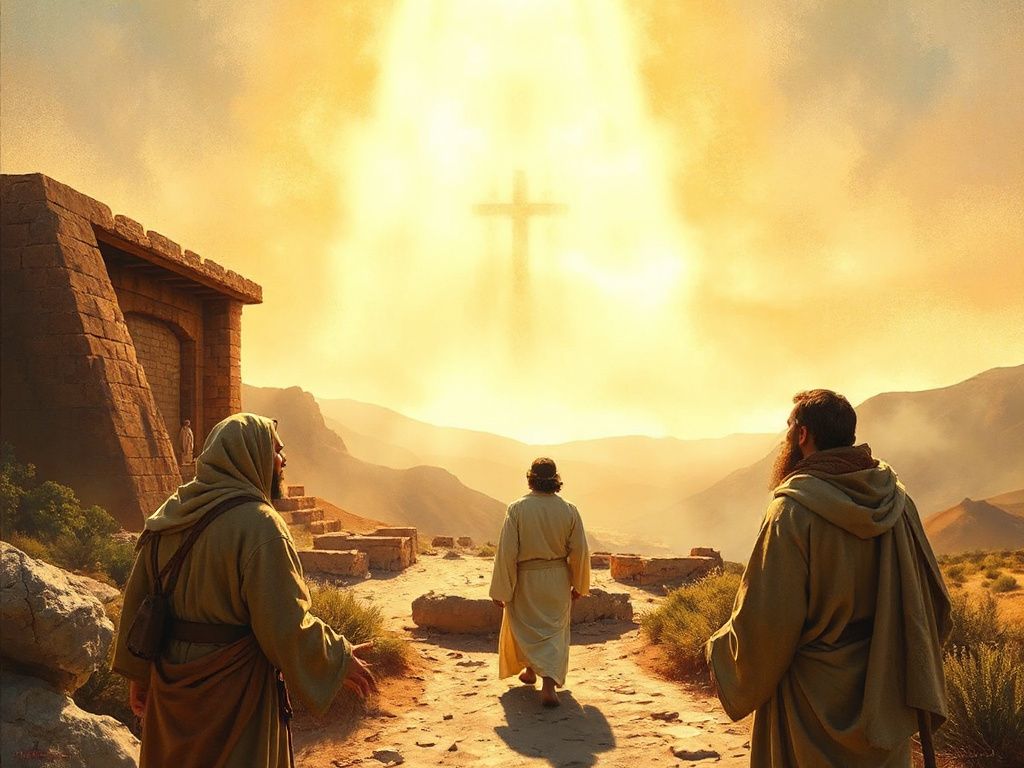
经文研读
约翰福音2:1-11——耶稣在迦拿所行的头一件神迹
在迦拿的一场婚宴上,耶稣将水变为酒,这是他第一个公开的神迹,彰显了他的荣耀,并引导他的门徒相信他。
经文
- 1.第 三 日 , 在 加 利 利 的 迦 拿 有 娶 親 的 筵 席 , 耶 穌 的 母 親 在 那 裡 。And the third day there was a marriage in Cana of Galilee; and the mother of Jesus was there:
- 2.耶 穌 和 他 的 門 徒 也 被 請 去 赴 席 。and Jesus also was bidden, and his disciples, to the marriage.
- 3.酒 用 盡 了 , 耶 穌 的 母 親 對 他 說 : 「 他 們 沒 有 酒 了 。 」And when the wine failed, the mother of Jesus saith unto him, They have no wine.
- 4.耶 穌 說 : 「 母 親 ( 原 文 是 婦 人 ) , 我 與 你 有 甚 麼 相 干 ? 我 的 時 候 還 沒 有 到 。 」And Jesus saith unto her, Woman, what have I to do with thee? mine hour is not yet come.
- 5.他 母 親 對 用 人 說 : 「 他 告 訴 你 們 甚 麼 , 你 們 就 做 甚 麼 。 」His mother saith unto the servants, Whatsoever he saith unto you, do it.
- 6.照 猶 太 人 潔 淨 的 規 矩 , 有 六 口 石 缸 擺 在 那 裡 , 每 口 可 以 盛 兩 三 桶 水 。Now there were six waterpots of stone set there after the Jews' manner of purifying, containing two or three firkins apiece.
- 7.耶 穌 對 用 人 說 : 「 把 缸 倒 滿 了 水 。 他 們 就 倒 滿 了 , 直 到 缸 口 。 」Jesus saith unto them, Fill the waterpots with water. And they filled them up to the brim.
- 8.耶 穌 又 說 : 「 現 在 可 以 舀 出 來 , 送 給 管 筵 席 的 。 他 們 就 送 了 去 。 」And he saith unto them, Draw out now, and bear unto the ruler of the feast. And they bare it.
- 9.管 筵 席 的 嘗 了 那 水 變 的 酒 , 並 不 知 道 是 那 裡 來 的 , 只 有 舀 水 的 用 人 知 道 。 管 筵 席 的 便 叫 新 郎 來 ,And when the ruler of the feast tasted the water now become wine, and knew not whence it was (but the servants that had drawn the water knew), the ruler of the feast calleth the bridegroom,
- 10.對 他 說 : 「 人 都 是 先 擺 上 好 酒 , 等 客 喝 足 了 , 才 擺 上 次 的 , 你 倒 把 好 酒 留 到 如 今 ! 」and saith unto him, Every man setteth on first the good wine; and when men have drunk freely, then that which is worse: thou hast kept the good wine until now.
- 11.這 是 耶 穌 所 行 的 頭 一 件 神 蹟 , 是 在 加 利 利 的 迦 拿 行 的 , 顯 出 他 的 榮 耀 來 ; 他 的 門 徒 就 信 他 了 。This beginning of his signs did Jesus in Cana of Galilee, and manifested his glory; and his disciples believed on him.
这段经文的意思
这段经文记载,第三日在加利利的迦拿有一场婚宴,耶稣、他的母亲和门徒都作为宾客在场。当酒喝完了,耶稣的母亲就把这件事告诉他,他回答说:“女人,我与你有什么相干?我的时候还没有到。”他的母亲随即对仆人说:“他告诉你们什么,你们就做什么。”将那一刻的主导权交给了他。
耶稣借着六口石缸行事,这些石缸是“照犹太人洁净的规矩”用的。他吩咐仆人把水倒满,然后舀出来,送到“管筵席的”那里。管筵席的尝了那不知从何而来的酒,就对新郎说,通常的规矩是先摆上好酒,但这次好酒却留到了现在。只有仆人知道水已经变成了酒。
第11节以一句定论性的话结束这段叙事:“这是耶稣在加利利的迦拿所行的头一件神迹,显出他的荣耀来;他的门徒就信他了。”这段经文将这件奇事称为一个“记号”,明确地把它与他的“荣耀”的显明连在一起,并记载相信是它直接引起的人性回应。
背景
在约翰福音第2章中,这件神迹发生在前往迦百农和上耶路撒冷过逾越节之前。耶稣在那里赶出圣殿里的商贩,并讲到拆毁圣殿、三日内再建起来(13-22节)。迦拿的神迹开启了这本福音书反复强调的“神迹”系列:第2章23节记载“许多人看见他所行的神迹,就信了他的名”,2:24-25则解释耶稣不将自己交托他们,因为“他自己知道人心里所存的”。
常见问题
为什么耶稣称他的母亲为“女人”?
经文只记载他说:“女人,我与你有什么相干?我的时候还没有到”(第4节)。“女人”这个称呼是所提供文本中的措辞;经文除了说明他的“时候”还没有到之外,并没有解释他的语气或理由。
约翰福音2:1-11是否将这件神迹称为“记号”?
是的。第11节明确说:“这是耶稣在加利利的迦拿所行的头一件神迹,显出他的荣耀来;他的门徒就信他了。”经文本身把这一事件称为“记号”——一个彰显他荣耀的记号。
为什么提到六口石缸?
第6节描述它们是“照犹太人洁净的规矩,有六口石缸摆在那里,每口可以盛两三桶水。”经文指出它们是用于犹太人洁净礼的器皿,但没有进一步解释为什么六这个数目具有特别意义。