经文研读

Joshua 4:24 — Knowing the Mighty Hand of the LORD

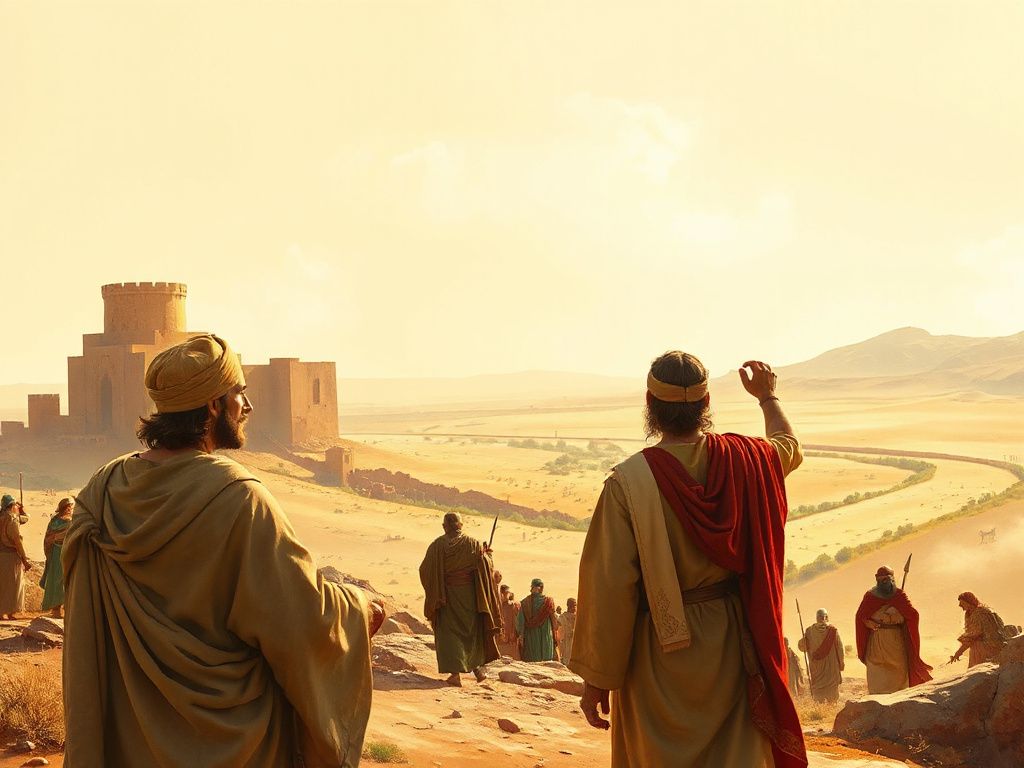
Joshua 4:24 states the purpose of the Jordan crossing: the miracle is meant to display God's mighty power to all peoples and produce lasting reverence for the LORD.

经文

  1. 24.要 使 地 上 萬 民 都 知 道 , 耶 和 華 的 手 大 有 能 力 , 也 要 使 你 們 永 遠 敬 畏 耶 和 華 ─ 你 們 的   神 。that all the peoples of the earth may know the hand of Jehovah, that it is mighty; that ye may fear Jehovah your God for ever.

这段经文的意思

Joshua 4:24 is the explanatory conclusion of the chapter. After describing the twelve memorial stones set up at Gilgal (verses 20–23), the text states why the LORD dried up the Jordan: so that all the peoples of the earth may know the hand of Jehovah, that it is mighty. The verse gives a universal scope — not only Israel but 'all the peoples of the earth' — as the intended audience of the demonstrated act. Knowing here is not abstract information but recognition grounded in a visible event.

The second clause pairs recognition with response: that ye may fear Jehovah your God for ever. Fear in this context is reverent awe and covenant loyalty, not terror. The Hebrew text (literally 'all the days') is rendered 'for ever,' indicating that the reverence produced by the miracle is meant to be ongoing and unbroken, stretching across generations who will hear the explanation given to children (verse 6, 21).

The verse also clarifies what the memorial stones signify. The preceding verses (22–23) tie the Jordan crossing to the earlier drying of the Red Sea, presenting both as acts of the same God. Joshua 4:24 thus frames those events as revelation: the mighty hand is made known through historical acts, and those acts call for a sustained, lifelong fear of the LORD.

背景

Joshua 4 is structured around two sets of twelve stones: one carried from the Jordan to the lodging place (verses 3–8) and one set up in the middle of the river itself (verse 9). Both serve as a memorial 'for ever' (verse 7). Chapter 14 notes that on that day Jehovah magnified Joshua in the sight of all Israel, and they feared him as they feared Moses — a human parallel to the divine fear that verse 24 will call for.

Verses 21–23 form the instructional speech Joshua gives to Israel: when children ask the meaning of the stones, the parents are to answer that Israel crossed the Jordan on dry land, just as the LORD dried up the Red Sea. Verse 24 then provides the theological conclusion of that instruction — the purpose behind both miracles is universal witness and enduring reverence for the LORD.

常见问题

Why does Joshua 4:24 address 'all the peoples of the earth' rather than only Israel?

The verse states the purpose of the miracle itself, not merely its effect on Israel. By drying up the Jordan, the LORD performs a public act whose scope reaches every nation, so that the recognition of His mighty hand is universal and the call to fear Him extends beyond Israel's borders.

What does 'fear Jehovah your God for ever' mean in this verse?

In this context, fear is reverent awe and covenant loyalty directed toward the LORD, not dread. 'For ever' (Hebrew 'all the days') indicates an unbroken, lifelong posture that is to be passed down through the generations who hear the explanation of the stones (verses 6, 21).

How does Joshua 4:24 connect to the twelve stones set up at Gilgal?

Verses 20–23 record the stones being set up and explain that they commemorate the crossing on dry land, like the Red Sea. Verse 24 then gives the ultimate purpose: the stones and the event they mark exist so that all peoples may know the LORD's mighty hand and fear Him forever.

继续研读

HomeDiscoverStudyReadMe