经文研读
尼希米记 1:5-11 —— 尼希米的认罪祷告
尼希米听闻耶路撒冷遭受毁坏的消息后,以祷告作出回应:他承认民族的罪,记念神藉摩西所立的约中应许,并恳求在即将觐见王时得蒙顺利。
经文
- 5.耶 和 華 ─ 天 上 的 神 , 大 而 可 畏 的 神 啊 , 你 向 愛 你 、 守 你 誡 命 的 人 守 約 施 慈 愛 。and said, I beseech thee, O Jehovah, the God of heaven, the great and terrible God, that keepeth covenant and lovingkindness with them that love him and keep his commandments:
- 6.願 你 睜 眼 看 , 側 耳 聽 , 你 僕 人 晝 夜 在 你 面 前 為 你 眾 僕 人 以 色 列 民 的 祈 禱 , 承 認 我 們 以 色 列 人 向 你 所 犯 的 罪 ; 我 與 我 父 家 都 有 罪 了 。Let thine ear now be attentive, and thine eyes open, that thou mayest hearken unto the prayer of thy servant, which I pray before thee at this time, day and night, for the children of Israel thy servants while I confess the sins of the children of Israel, which we have sinned against thee. Yea, I and my father's house have sinned:
- 7.我 們 向 你 所 行 的 甚 是 邪 惡 , 沒 有 遵 守 你 藉 著 僕 人 摩 西 所 吩 咐 的 誡 命 、 律 例 、 典 章 。we have dealt very corruptly against thee, and have not kept the commandments, nor the statutes, nor the ordinances, which thou commandedst thy servant Moses.
- 8.求 你 記 念 所 吩 咐 你 僕 人 摩 西 的 話 , 說 : 你 們 若 犯 罪 , 我 就 把 你 們 分 散 在 萬 民 中 ;Remember, I beseech thee, the word that thou commandedst thy servant Moses, saying, If ye trespass, I will scatter you abroad among the peoples:
- 9.但 你 們 若 歸 向 我 , 謹 守 遵 行 我 的 誡 命 , 你 們 被 趕 散 的 人 雖 在 天 涯 , 我 也 必 從 那 裡 將 他 們 招 聚 回 來 , 帶 到 我 所 選 擇 立 為 我 名 的 居 所 。but if ye return unto me, and keep my commandments and do them, though your outcasts were in the uttermost part of the heavens, yet will I gather them from thence, and will bring them unto the place that I have chosen, to cause my name to dwell there.
- 10.這 都 是 你 的 僕 人 、 你 的 百 姓 , 就 是 你 用 大 力 和 大 能 的 手 所 救 贖 的 。Now these are thy servants and thy people, whom thou hast redeemed by thy great power, and by thy strong hand.
- 11.主 啊 , 求 你 側 耳 聽 你 僕 人 的 祈 禱 , 和 喜 愛 敬 畏 你 名 眾 僕 人 的 祈 禱 , 使 你 僕 人 現 今 亨 通 , 在 王 面 前 蒙 恩 。 我 是 作 王 酒 政 的 。O Lord, I beseech thee, let now thine ear be attentive to the prayer of thy servant, and to the prayer of thy servants, who delight to fear thy name; and prosper, I pray thee, thy servant this day, and grant him mercy in the sight of this man. Now I was cupbearer to the king.
这段经文的意思
尼希米记 1:5-7 是一段祷告,先述说神的本相,再述说以色列的作为。开篇称神为「天上的神」和「大而可畏的神」,对那些爱祂并遵守祂诫命的人,祂坚守慈爱与信实。尼希米有意将这两项神性属性并列:对罪的严厉,对顺服者的恒久慈爱。祷告随即转向认罪,先认「以色列人」的罪,再缩小至「我和我父家」。这一转变是有意的——民族的罪孽真实存在,但尼希米并不把它当作别人的问题。他将所犯的过失列为既不遵守诫命、律例,也不谨守典章——这三个词涵盖了藉摩西所传的全部摩西律法。
第 8-10 节由认罪转入祈求,引述神自己的话。尼希米求耶和华「记念你吩咐你仆人摩西的话」:若以色列人违背,他们将分散在万民中;但若他们归向神并遵守诫命,即使是被驱逐到「天之极」的流亡者,也将被招聚回到神为自己名所选择居住的地方。祷告随后以救赎作为根基:「他们是你的仆人、是你的百姓,是你用大能和伸出来的膀臂救赎的。」过去的救赎成为现今复兴的依据。
第 11 节将祷告带向具体的请求。尼希米再次恳求神的耳朵「睁开」——承接第 6 节的语言——并将自己的祷告与「那些喜爱敬畏你名」的仆人联合。他随即为此日求两件具体的事:使他亨通,使他在「这人」面前蒙恩,「这人」指的就是王。末句表明尼希米是王的酒政,这一职位恰恰将使他得以进入王宫,使第 1-4 节的请求在第 2 章及以后得以实现。
背景
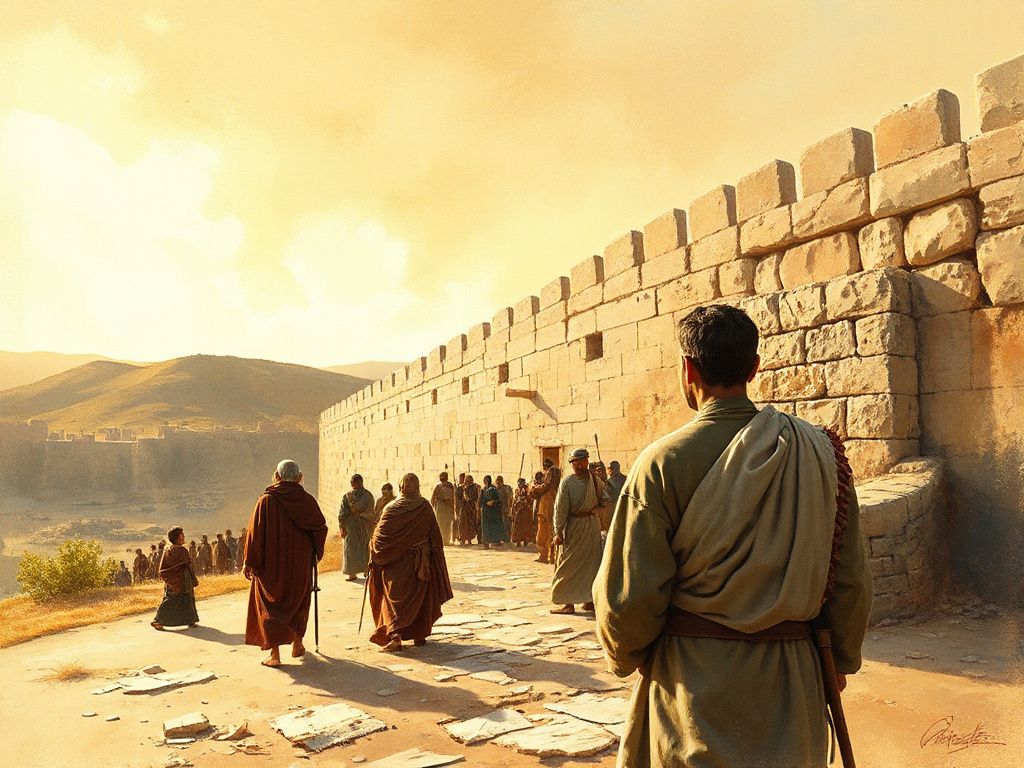
第 1-4 节交代了事件的背景:尼希米在书珊宫殿(波斯王宫所在地)服事,收到哈拿尼的报告,称省内幸存的犹大人遭受大难,耶路撒冷的城墙被拆毁,城门被火焚烧。他的反应是坐下哭泣、悲哀、禁食,并在「天上的神」面前祷告。因此,1:5-11 的祷告并非抽象的敬拜,而是那种忧伤、禁食之反应直接的言语表达。
祷告的先后次序影响其读法。尼希米先认罪后求告。他将向王求亨通的请求,扎根于神的约中本性和神藉摩西所说过的话语上,而非建立在自己功德之上。末句点明其酒政身份,使此祷告成为整卷书的枢纽:下一章开篇,尼希米仍身在王前,11 节的请求将在那里受到考验。
常见问题
尼希米为何称神既伟大又可畏?
因为尼希米的祷告关乎背约之后的归向神。「大而可畏」的表述承认,当神的约被破坏时,神是不可轻视的;而下一句「坚守慈爱与信实」则表明,同一位神也向那些爱祂并遵守诫命的人立下恒久慈爱的应许。严厉与怜悯并存,因为尼希米所承认的,正是该当受审判的罪。
尼希米在 8-9 节中引用了什么?
尼希米求神「记念你吩咐你仆人摩西的话」。他随后概述了一段约的经文,包含两部分:违背导致被分散在万民中,归回则导致从天之极被招聚到神为自己名所选择居住的地方。他将这段话引述为神自己明明的条件,因此他求复兴的请求建立在神已经说过的话上,而非一项新的恳求。
这段经文为何以「我那时是王的酒政」结束?
末句点明尼希米在波斯朝廷的职位,并将这段祷告与整卷书相连。作为酒政,尼希米拥有接近王的特殊机会;第 11 节求「在这人」面前蒙恩,下一章开篇尼希米仍身处此职,祷告中的请求将在那里得到应允。因此这句结尾并非人物背景的闲笔,而是祷告与行动之间的枢纽。