经文研读

Numbers 17:8-10 — Aaron's Rod Buds

God confirms Aaron's priesthood by causing his dead wooden rod to bud, blossom, and bear ripe almonds overnight, then orders it kept as a permanent sign against the people's murmurings.

经文

  1. 8.第 二 天 , 摩 西 進 法 櫃 的 帳 幕 去 。 誰 知 利 未 族 亞 倫 的 杖 已 經 發 了 芽 , 生 了 花 苞 , 開 了 花 , 結 了 熟 杏 。And it came to pass on the morrow, that Moses went into the tent of the testimony; and, behold, the rod of Aaron for the house of Levi was budded, and put forth buds, and produced blossoms, and bare ripe almonds.
  2. 9.摩 西 就 把 所 有 的 杖 從 耶 和 華 面 前 拿 出 來 , 給 以 色 列 眾 人 看 ; 他 們 看 見 了 , 各 首 領 就 把 自 己 的 杖 拿 去 。And Moses brought out all the rods from before Jehovah unto all the children of Israel: and they looked, and took every man his rod.
  3. 10.耶 和 華 吩 咐 摩 西 說 : 把 亞 倫 的 杖 還 放 在 法 櫃 前 , 給 這 些 背 叛 之 子 留 作 記 號 。 這 樣 , 你 就 使 他 們 向 我 發 的 怨 言 止 息 , 免 得 他 們 死 亡 。And Jehovah said unto Moses, Put back the rod of Aaron before the testimony, to be kept for a token against the children of rebellion; that thou mayest make an end of their murmurings against me, that they die not.

这段经文的意思

Verses 8-10 narrate the visible confirmation of God's choice of Aaron. A dead, dry rod—symbolically representing a tribe or family—is supernaturally altered overnight: it buds, produces blossoms, and bears ripe almonds. Almond blossoms in Scripture are associated with watchfulness and quick fulfillment (cf. Jer 1:11-12 in the broader tradition), and the natural almond tree blossoms before other trees in the spring. The progression—bud, blossom, fruit—indicates that life comes from God's selection, not from the wood itself. Aaron's rod is not distinguished by human merit but by divine intervention, answering the dispute that occupies the surrounding narrative.

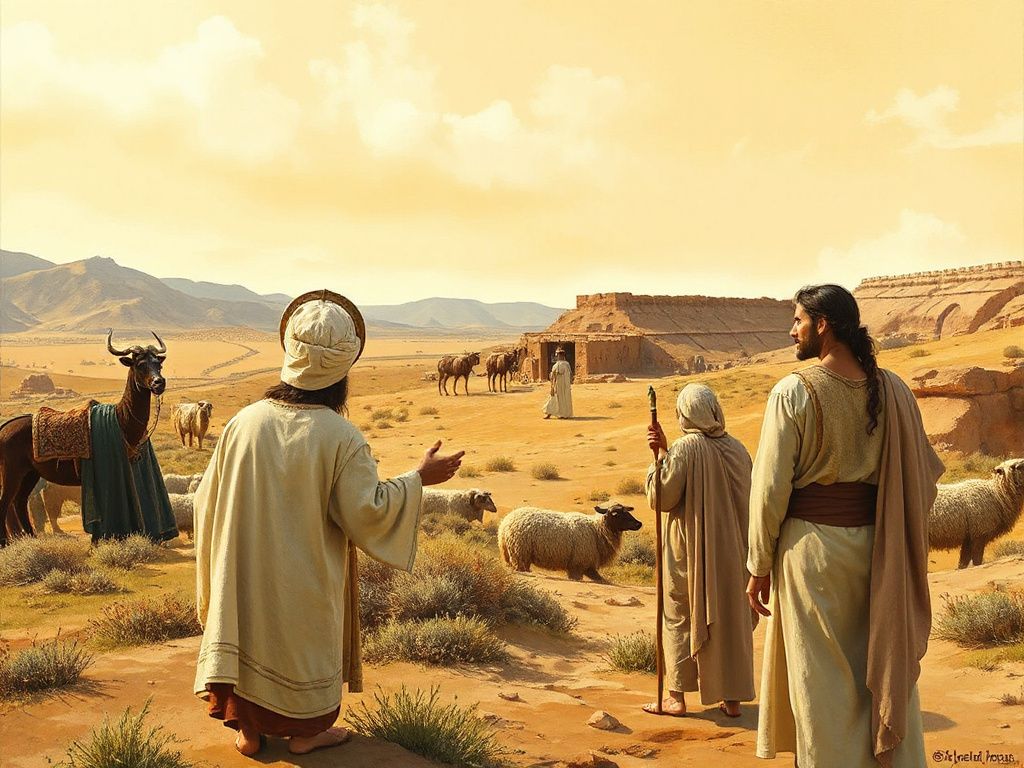
Verse 9 widens the scene: Moses brings all twelve rods out before the congregation so each tribal leader can see that only Aaron's rod has changed. The princes retrieve their own rods, which remain as they were, making the contrast visible to the entire community. This public display is essential; the sign is not a private revelation but a communal witness that ends arguments about who legitimately serves before the tabernacle. The repetition of the people's earlier dispute in the chapter (vv. 5-7) is now answered by sight, not merely by instruction.

Verse 10 explains the lasting function of the sign. God commands that Aaron's rod be placed back before the testimony (the ark area inside the tabernacle) to be kept "for a token against the children of rebellion." The Hebrew expression translated here identifies the murmurers as rebels whose continued complaint against God's appointed priestly order could otherwise invite death. By keeping the rod in the sanctuary, future generations encounter a physical reminder that God's choice of the priestly house is settled, and that approaching the tabernacle on unauthorized terms is not a matter for human debate.

背景

Numbers 17 sits within the broader rebellion narratives of Numbers 13-20, where the people repeatedly challenge Moses' leadership and the priesthood's legitimacy. The chapter opens (vv. 1-7) with God instructing Moses to collect twelve rods—one from each tribal prince—and lay them before the testimony in the tent of meeting. Aaron's name is written on the rod for Levi. The stated purpose (v. 5) is to end the murmurings against Moses, which in context include the priestly dispute that leads immediately into this chapter. The selected chapter ends (vv. 12-13) with the people's frightened response—'we perish, we are undone'—showing that the sign, while confirming Aaron, heightens awareness of the danger of unauthorized approach.

Within the chapter itself, the verses urged on the page (8-10) function as the climax and the divine verdict. The buds, blossoms, and almonds are the answer to the arranged test; the public display in v. 9 prevents denial; and v. 10 explains why the rod must remain as a permanent memorial. Verses 11-13 follow directly: Moses obeys (v. 11), and the people respond with fear rather than further argument (vv. 12-13), showing that the sign accomplishes its stated aim of silencing the rebellion. The note attached to the chapter highlights that this event confirms the chosen priesthood and prefigures the resurrected Christ as the life-giving High Priest.

常见问题

Why is Aaron's rod placed back before the testimony?

According to verse 10, the rod is to be kept 'for a token against the children of rebellion.' Its continued presence in the tabernacle serves as a permanent visible reminder that God's choice of the priestly house is settled, and that further murmurings against it are not merely opinions but acts of rebellion against God.

What does the progression of bud, blossom, and almond signify?

The narrative lists four stages—bud, blossoms, and ripe almonds—occurring on a single dead rod overnight. The progression suggests that life comes from God's intervention rather than from the wood itself. The almond, which in nature blossoms earliest among trees, points to God's swift fulfillment of what He has chosen, while the chain bud-to-fruit emphasizes completeness of the sign.

How does this passage resolve the dispute over the priesthood?

The chapter sets up a controlled test (vv. 1-7) in which twelve rods are laid before the Lord; the passage 8-10 reports the outcome—only Aaron's rod changes. Verse 9 shows the rods brought out for all the leaders to see, making the verdict public rather than private, and verses 11-13 record the people's fearful response, indicating that the murmurings have been answered and the argument settled by God's direct action.

继续研读

HomeDiscoverStudyReadMe