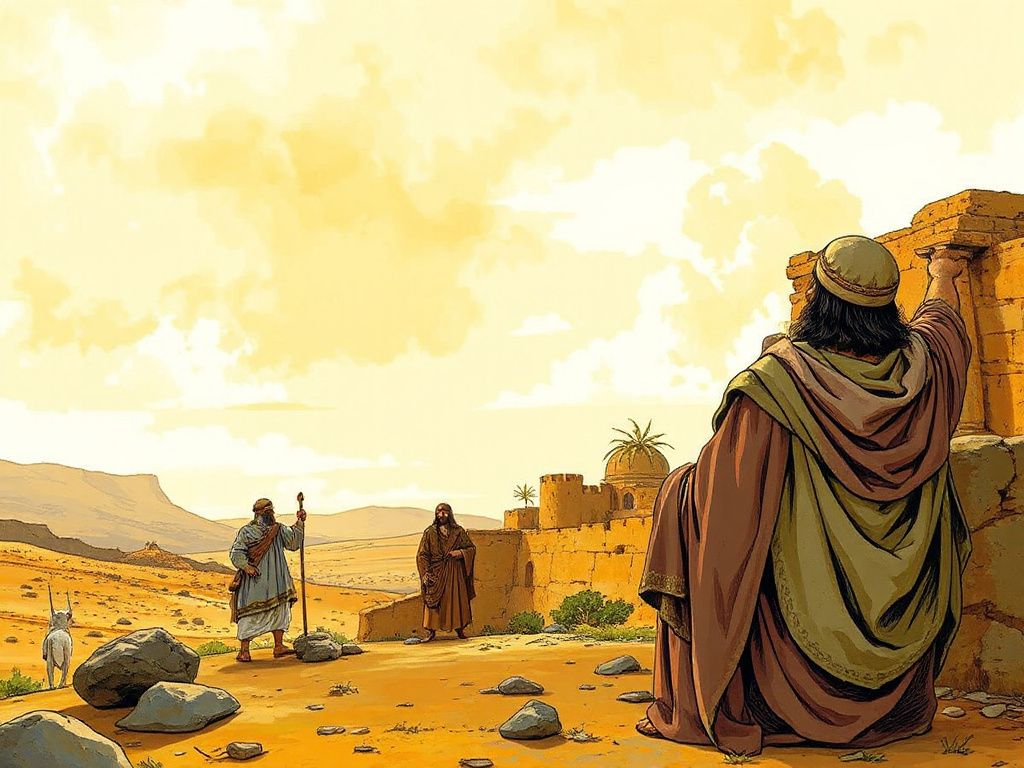
Proverbs 21:12 — The Righteous and the Overthrow of the Wicked
Proverbs 21:12 sets a moral contrast: the righteous observes the fate of the wicked, and the wicked are brought down to ruin.
Scripture
12The righteous man considereth the house of the wicked, How the wicked are overthrown to their ruin.
What this passage means
Proverbs 21:12 is a two-line proverb built on contrast. The first line presents the righteous man as one who actively considers, or surveys, the house of the wicked. The second line then states the outcome of that survey: the wicked are overthrown to their ruin. The passage assumes that looking honestly at the fate of the wicked teaches something the righteous cannot ignore.
The verse presents this observation not as curiosity but as moral instruction. By attending to how the house of the wicked ends, the righteous receives concrete evidence about cause and consequence. The ruin described is not partial or temporary; the text uses language of total overthrow directed toward destruction, indicating a final, irreversible judgment rather than a setback.
Within the proverb collection itself, 21:12 functions as a brief thesis that the surrounding verses expand. Verses 13 through 15 spell out specific ways this overturning comes: refusing the cry of the poor, gaining wrath by gift-giving, and the destruction that meets workers of iniquity. The proverb thus frames ruin as the predictable destination of persistent wrongdoing.
Context
In the broader flow of Proverbs 21, the chapter repeatedly contrasts the righteous with the wicked and traces the moral outcomes of their choices. Verses 1 through 11 set up this pattern: divine sovereignty over human plans (v. 1), divine weighing of hearts (v. 2), the superiority of righteousness over sacrifice (v. 3), the sin of pride (v. 4), and the consequences of diligence versus haste (vv. 5, 7). Proverbs 21:12 sits within this sustained contrast as a pivot between the negative portraits of vv. 10–11 and the specific examples of ruin in vv. 13–15.
Verse 11 directly precedes 21:12 and provides a thematic bridge: the punishment of the scoffer makes the simple wise, and instruction gives knowledge to the wise. Verse 12 continues this theme by showing what the righteous observes when considering the downfall of the wicked. Verse 15 then mirrors 21:12 by declaring it joy for the righteous to do justice and destruction for the workers of iniquity, reinforcing the same contrast between righteous outcome and wicked ruin.
Common questions
Why does the verse say the righteous considers the house of the wicked?
The proverb presents this consideration as moral instruction. By observing how the house of the wicked ends, the righteous receives concrete evidence about the consequences of persistent wrongdoing, making the observation itself part of how wisdom is reinforced.
What kind of ruin does the verse describe?
The language points to total overthrow directed toward destruction. It describes ruin as the final, irreversible outcome for the wicked rather than a temporary setback or a partial defeat.
How does 21:12 fit with the surrounding verses?
Verse 11 sets up the theme by connecting the downfall of the scoffer with learning, and verse 12 continues it by showing the righteous observing that downfall. Verses 13 through 15 then give specific examples of ruin: ignoring the poor, provoking wrath, and the destruction that meets workers of iniquity.