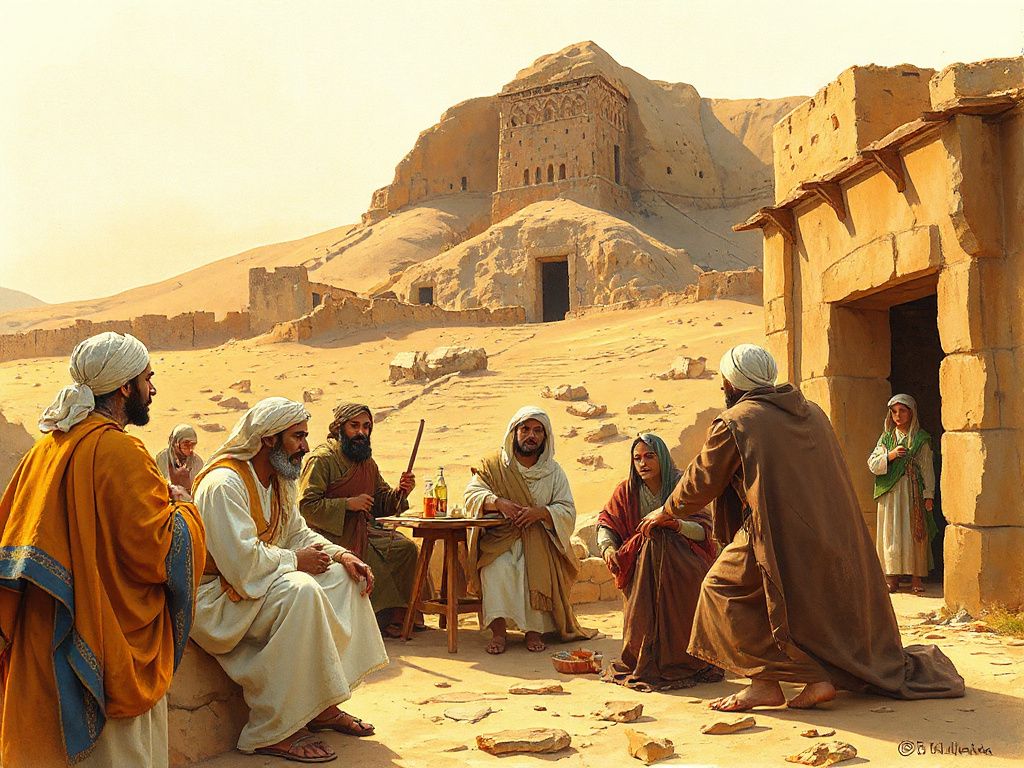
ESTUDIO DEL VERSÍCULO
3 Juan 1:12 — El buen testimonio de Demetrio
El Anciano testifica que Demetrio es bien atestiguado por las personas y por la verdad, y une su propio testimonio al de ellos.
Escritura
- 12.Todos dan testimonio de Demetrio, y aun la verdad misma; y también nosotros damos testimonio, y vosotros sabéis que nuestro testimonio es verdadero.Demetrius hath the witness of all men, and of the truth itself: yea, we also bear witness: and thou knowest that our witness is true.
Qué significa este pasaje
El versículo nombra a Demetrio y apila tres fuentes de testimonio detrás de él. Primero, "todos" hablan bien de él — su reputación en la comunidad cristiana es positiva. Segundo, "la verdad misma" testifica a su favor — su vida se alinea con el evangelio que profesa, de modo que el mensaje que él lleva da fe del mensajero. Tercero, el Anciano añade: "también nosotros damos testimonio", colocando la endorsement apostólica junto a la evidencia comunitaria y moral.
La línea final — "tú sabes que nuestro testimonio es verdadero" — da por sentado que Gayo ya confía en la palabra del Anciano. La apelación no busca argumentar a favor de Demetrio, sino confirmar lo que Gayo probablemente ya intuye: que Demetrio es seguro de recibir y de apoyar. La expresión refleja cómo el Anciano apela en otras partes al conocimiento compartido más que a argumentos nuevos.
Dentro de la carta, esta recomendación equilibra el retrato negativo de Diotrefes en los versículos 9–10. Mientras Diotrefes resiste al Anciano y rehúsa a los hermanos viajeros, Demetrio encarna lo opuesto — un cooperador de la verdad que vale la pena acoger. El versículo funciona así tanto como una recomendación personal como un ejemplo concreto del "bien" que el versículo 11 insta a Gayo a imitar.
Contexto
El capítulo completo es una carta personal breve a Gayo construida en torno al tema de andar en la verdad (vv. 3–4) y de apoyar a los misioneros viajeros que nada reciben de los gentiles (vv. 5–8). Contra ese trasfondo positivo, los versículos 9–11 introducen el caso negativo de Diotrefes, cuyo amor por la preeminencia lo lleva a rehusar al Anciano y a excluir a los hermanos que reciben. El versículo 12 vuelve entonces a un modelo positivo: Demetrio, a quien Gayo puede recibir con seguridad.
El versículo 12 se sitúa entre la advertencia contra imitar el mal (v. 11) y los planes epistolares de cierre (vv. 13–14). La recomendación de Demetrio le da a Gayo un nombre concreto sobre el cual actuar — alguien a quien ayudar en su camino — mientras el Anciano señala que prefiere una conversación cara a cara para cualquier otra cosa que necesite decirse. El capítulo termina con un intercambio acostumbrado de saludos entre amigos nombrados.
Preguntas frecuentes
¿Quién es Demetrio en 3 Juan 1:12?
La carta no lo identifica más allá de eso. Se le presenta como un cristiano cuyo carácter y ministerio son atestiguados por las personas y por la verdad misma, y a quien se insta a Gayo a recibir y apoyar.
¿Qué significa que la verdad misma dé testimonio de Demetrio?
Dentro de la lógica de la carta, la vida de Demetrio se alinea con el evangelio que profesa, de modo que el mensaje mismo da fe del mensajero. Su conducta es coherente con lo que enseña.
¿Por qué añade el Anciano su propio testimonio junto al de los demás?
La frase 'tú sabes que nuestro testimonio es verdadero' da por sentado que Gayo ya confía en la palabra del Anciano. Al unir su voz al testimonio comunitario y moral, el Anciano confirma en lugar de argumentar, facilitando que Gayo actúe en consecuencia.