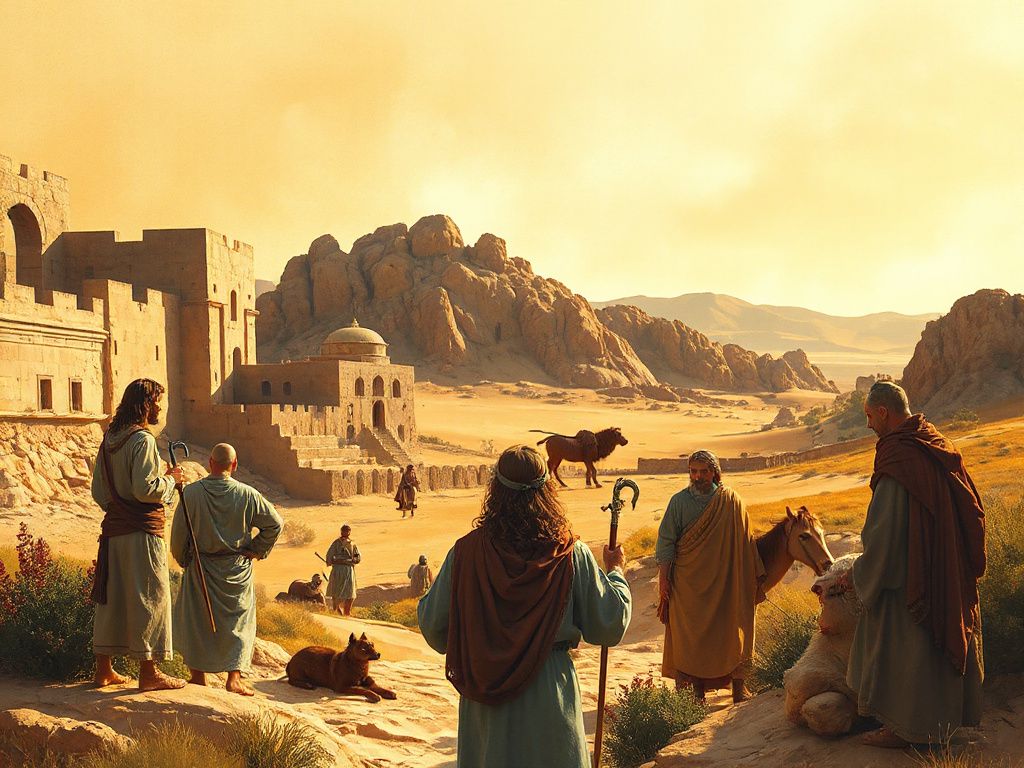
ESTUDIO DEL VERSÍCULO
Génesis 21:7 — La admiración de Sara al amamantar a un hijo en su vejez
Sara se maravilla de que ella misma esté amamantando a un niño, el mismo que dio a luz para Abraham en su vejez, un prodigio que corona la larga historia de su esterilidad.
Escritura
- 7.Y añadió: ¿Quién dijera a Abraham que Sara habría de dar de mamar a hijos? Pues le he dado un hijo en su vejez.And she said, Who would have said unto Abraham, that Sarah should give children suck? for I have borne him a son in his old age.
Qué significa este pasaje
Génesis 21:7 es la segunda exclamación de Sara en este capítulo. En el versículo 6 declaró: «Dios me ha hecho reír; todo el que lo oiga se reirá conmigo». Aquí en el versículo 7 amplía esa risa señalando su causa específica: ella, Sara, está amamantando a un niño. La pregunta retórica «¿Quién le hubiera dicho a Abraham que Sara allaitaría hijos?» enmarca el amamantamiento como algo que nadie habría predicho, una逆転 tan completa que derrumba toda suposición ligada a sus décadas de esterilidad.
El versículo une dos detalles que enmarcan la admiración. Primero, Sara es quien da de mamar: ella está alimentando directamente al hijo que concibió, sin delegarlo en una nodriza. Segundo, el niño es el hijo que «dio a luz a Abraham en su vejez», una formulación que retoma el versículo 2 («en el tiempo señalado del que Dios había hablado») y el versículo 5 («Abraham tenía cien años cuando le nació su hijo Isaac»). La yuxtaposición de «en su vejez» con el acto activo de amamantar es la clave: lo que la naturaleza había hecho imposible lo ha hecho el Señor, que «visitó a Sara como había dicho» (21:1).
Las palabras de Sara también miran hacia adelante. Génesis 21:8 registra que el niño creció y fue destetado, y que Abraham hizo un gran banquete el día en que Isaac fue destetado. El versículo 7 se sitúa entre el nacimiento y el destete, fijando el amamantamiento de Sara como la señal visible de que el hijo prometido es verdaderamente suyo y está verdaderamente vivo. La exclamación es, por tanto, tanto memoria (al recordar la promesa y la larga espera) como alegría presente (ella está haciendo ahora lo que antes era impensable).
Contexto
Los versículos 1–5 establecen el marco que el versículo 7 contempla con asombro: el Señor «visitó a Sara como había dicho» (21:1), Sara concibió y dio a Abraham un hijo en su vejez «en el tiempo señalado» (21:2), el niño fue llamado Isaac (21:3), circuncidado al octavo día (21:4), y Abraham tenía cien años cuando nació (21:5). Las exclamaciones de Sara en los versículos 6 y 7 son respuestas a esta promesa cumplida. El versículo 6 aporta el tema de la risa; el versículo 7 especifica el amamantamiento como su cumplimiento concreto.
Los versículos 8–10 avanzan luego la narrativa: Isaac crece y es destetado con un gran banquete (21:8), e inmediatamente después Sara ve a Ismael «burlándose» y exige que Agar y su hijo sean expulsados (21:9–10). El versículo 7 se sitúa, pues, en un breve punto culminante: la madre que una vez rio con incredulidad ante la promesa (Génesis 18:12–15) ahora amamanta públicamente al hijo prometido, justo antes de que la tensión del capítulo sobre la herencia desplace la historia hacia Agar e Ismael.
Preguntas frecuentes
¿Por qué Sara destaca precisamente el acto de amamantar en el versículo 7?
En el contexto del antiguo Cercano Oriente descrito en estos versículos, el amamantamiento era la confirmación pública y directa por parte de la madre de que el niño era suyo. Al señalar este acto específico, Sara muestra que la promesa de un hijo ha pasado del anuncio a la realidad vivida: ella está sosteniendo personalmente al niño que en otro tiempo no podía concebir.
¿Cómo se conecta el versículo 7 con el versículo 6?
El versículo 6 declara que Dios ha hecho reír a Sara y que todo el que oiga se reirá con ella. El versículo 7 concreta esa risa en una imagen tangible: ella misma está amamantando a un hijo nacido de Abraham en su vejez. El tema general del gozo se convierte en una admiración específica ante un suceso que nadie habría predicho.
¿Cuál es el significado de la frase «en su vejez»?
La frase repite el lenguaje de los versículos 2 y 5, donde Sara da a luz al hijo «en su vejez» y Abraham tiene cien años. Al eco de esa expresión en el versículo 7, el texto coloca el amamantamiento junto a las circunstancias improbables del nacimiento, de modo que la admiración del versículo descansa sobre la distancia entre la edad de Abraham y el niño vivo al pecho de Sara.