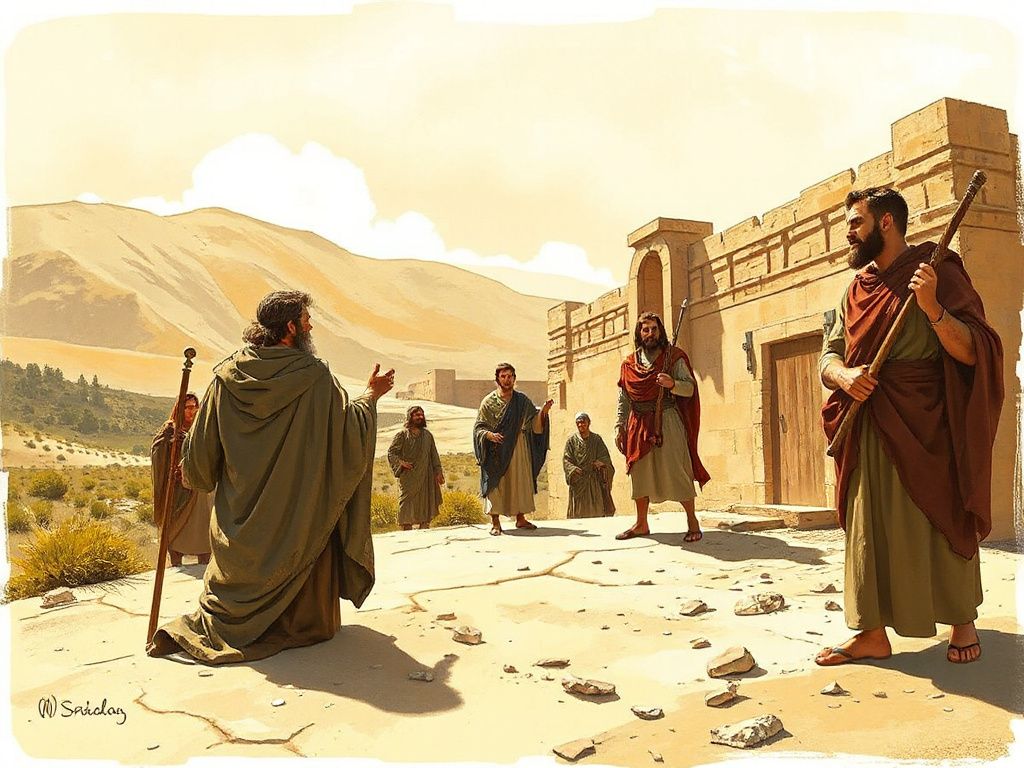
ESTUDIO DEL VERSÍCULO
Salmos 22:1 — El clamor del abandonado
Salmos 22:1 abre el salmo con una angustia repetida dirigida a Dios, expresando el abandono sentido y el silencio del cielo en medio del sufrimiento.
Escritura
- 1.Dios mío, Dios mío, ¿por qué me has desamparado? ¿Por qué estás tan lejos de mi salvación, y de las palabras de mi clamor?For the Chief Musician; set to Aijeleth hash-Shahar. A Psalm of David. My God, my God, why hast thou forsaken me? Why art thou so far from helping me, and from the words of my groaning?
Qué significa este pasaje
El versículo se abre con un clamor doble, «Dios mío, Dios mío», que es a la vez una intensa súplica y una afirmación de relación. La dirección duplicada en hebreo (ʾelî ʾelî) intensifica la urgencia sin dejar de nombrar a Dios como el Dios del salmista. Muestra que aun en el punto más bajo, el sufriente no ha abandonado la fe en Dios, sino que ha acudido a Dios con la queja más profunda posible.
La pregunta «¿por qué me has abandonado?» es teológicamente densa. El verbo hebreo ʿazabta puede describir a Dios dando un paso atrás, retirando su ayuda o permitiendo que el enemigo prevalezca. El salmista no afirma que Dios esté ausente en sí mismo, sino que la experiencia sentida de ayuda y de ser escuchado se ha detenido. «Tan lejos de ayudarme» y «de las palabras de mi gemido» enfatizan tanto la distancia del rescate como la distancia de la respuesta — nadie escucha al sufriente.
La superscripción enmarca el salmo para el director musical y lo vincula a «Aijélet hash-Shájar», una indicación musical. Su ubicación al amanecer sugiere una liturgia para el culto matutino, pero el contenido es de noche y gemido. La tensión entre el marco litúrgico formal y el clamor crudo del versículo inicial es parte de lo que hace llamativo al salmo.
Contexto
El Salmo 22 en su conjunto pasa del abandono sentido (vv. 1–2) al recuerdo de la santidad de Dios y la liberación de los padres (vv. 3–5), y luego a una larga descripción de burlas, sufrimiento físico y enemigos que cercan (vv. 6–18). El clamor inicial de 22:1 no es, por tanto, un estallido aislado, sino la entrada en un lamento sostenido en el que el salmista recuerda la fidelidad pasada mientras nombra la agonía presente.
Los versículos 2–4 precisan lo que 22:1 comienza. El silencio de Dios «de día» y «de noche» (v. 2) responde a la pregunta del primer versículo — el salmista no solo se siente abandonado, sino que experimenta una oración prolongada sin respuesta. Los versículos 3–4 entonces cambian a la confesión: Dios es santo y es quien libró a los padres que confiaron en él. El clamor del versículo 1 se sitúa sobre este trasfondo de un Dios que ya ha actuado.
Preguntas frecuentes
¿Por qué el salmista repite «Dios mío, Dios mío» dos veces?
La dirección duplicada en hebreo intensifica la fuerza emocional del clamor. También señala la forma más profunda de súplica — nombrar a Dios dos veces muestra que el salmista todavía se aferra a Dios aun mientras expresa la queja más aguda posible de abandono sentido.
¿«Abandonado» significa que Dios realmente ha dejado al salmista?
El verbo hebreo ʿazab puede significar retiro de ayuda o no intervención más que ausencia total. El salmista está describiendo la experiencia sentida de silencio y angustia sin alivio, mientras sigue dirigiéndose a Dios como «Dios mío». El texto presenta el sufrimiento como real, pero no afirma que la presencia de Dios haya llegado a su fin.
¿Cómo encaja Salmos 22:1 en el capítulo completo?
Abre el lamento y marca el tono de los versículos 2–18, donde el salmista describe oración sin respuesta, burlas, sufrimiento corporal y enemigos que lo rodean. El giro en los versículos 3–5 hacia el recuerdo de los actos pasados de liberación de Dios surge del clamor del versículo 1.