经文研读

Joshua 1:9 — God's Command to Be Strong and Courageous

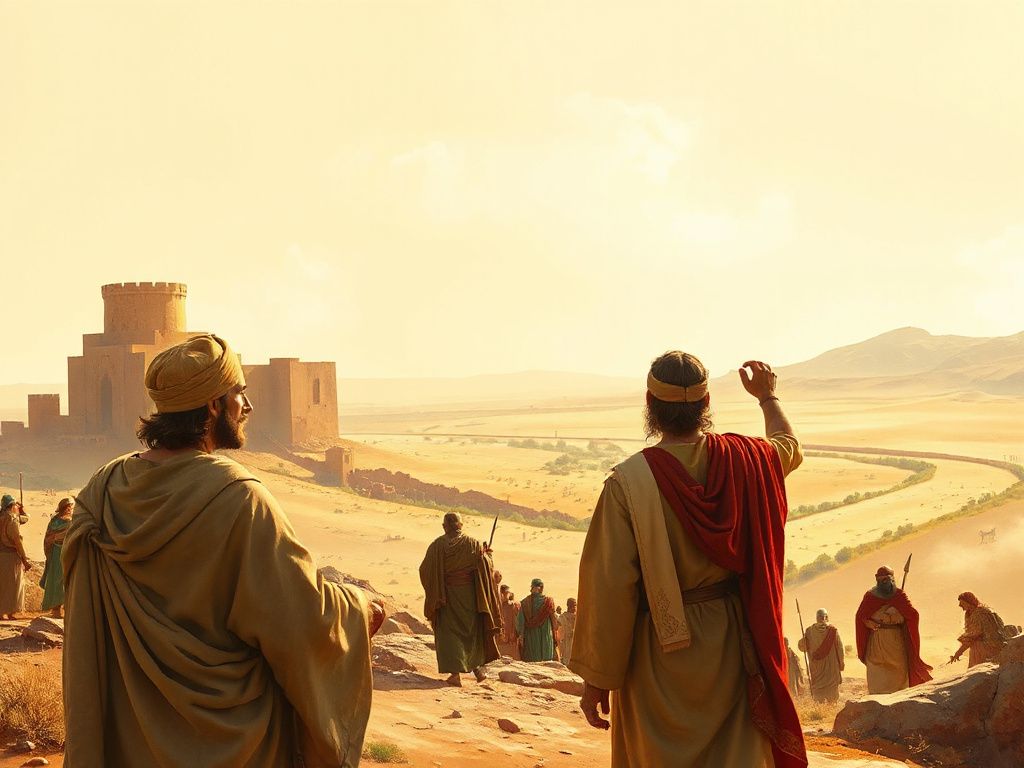
God commands Joshua to be strong and courageous, grounding the call in His own promise of presence wherever Joshua goes.

经文

  1. 9.我 豈 沒 有 吩 咐 你 麼 ? 你 當 剛 強 壯 膽 ! 不 要 懼 怕 , 也 不 要 驚 惶 ; 因 為 你 無 論 往 那 裡 去 , 耶 和 華 ─ 你 的   神 必 與 你 同 在 。Have not I commanded thee? Be strong and of good courage; be not affrighted, neither be thou dismayed: for Jehovah thy God is with thee whithersoever thou goest.

这段经文的意思

Joshua 1:9 opens with a rhetorical question, "Have not I commanded thee?" that recalls the previous imperatives in verses 6–7. The question assumes the answer yes: the command has already been given, and Joshua is being reminded of it. The repetition of "be strong and of good courage" ties this verse to the surrounding passage and frames courage not as a feeling but as obedience to an issued order.

The prohibitions "be not affrighted, neither be thou dismayed" identify the specific fears Joshua is being told to resist. The pairing of these two terms intensifies the warning: whether the threat comes as sudden terror or as a settled sense of being overwhelmed, neither is to take hold. The verse names the alternative to fear — confidence grounded in the presence of God rather than in the absence of danger.

The final clause supplies the reason: "for Jehovah thy God is with thee whithersoever thou goest." The motivation for courage is theological, not circumstantial. The name used for God is Jehovah, the covenant name, and "thy God" emphasizes the personal relationship. The phrase "whithersoever thou goest" is universal in scope, extending the promise of presence to every location and every stage of the task ahead.

背景

Joshua 1:9 sits at the center of God's opening speech to Joshua after Moses' death (vv. 1–9). Verses 2–5 establish the commission: cross the Jordan, take the land, and no one will stand against Joshua because, as with Moses, God will not fail or forsake him. Verses 6–8 then issue the charge to be strong and courageous, grounds it in the inheritance promise, and ties it to the continual study of the law. Verse 9 caps this section by tying the courage command directly to God's presence, and verse 18 closes the chapter with the same charge repeated by the people. The verse functions as a hinge. The preceding verses describe what Joshua must do (lead, obey the law), and the following verses (10–18) show Joshua immediately acting on the commission by issuing orders to the officers and the eastern tribes. The repeated refrain of strength and courage — at least three times in the speech (vv. 6, 7, 9) and once more in v. 18 — gives the chapter a sustained emphasis on resolve under divine promise.

常见问题

Why does Joshua 1:9 repeat the command to be strong and courageous?

What is the difference between "affrighted" and "dismayed" in this verse?

On what basis is Joshua told not to be afraid?

继续研读

HomeDiscoverStudyReadMe