章节研读
弥迦书第6章——耶和华的控诉与当行的道路
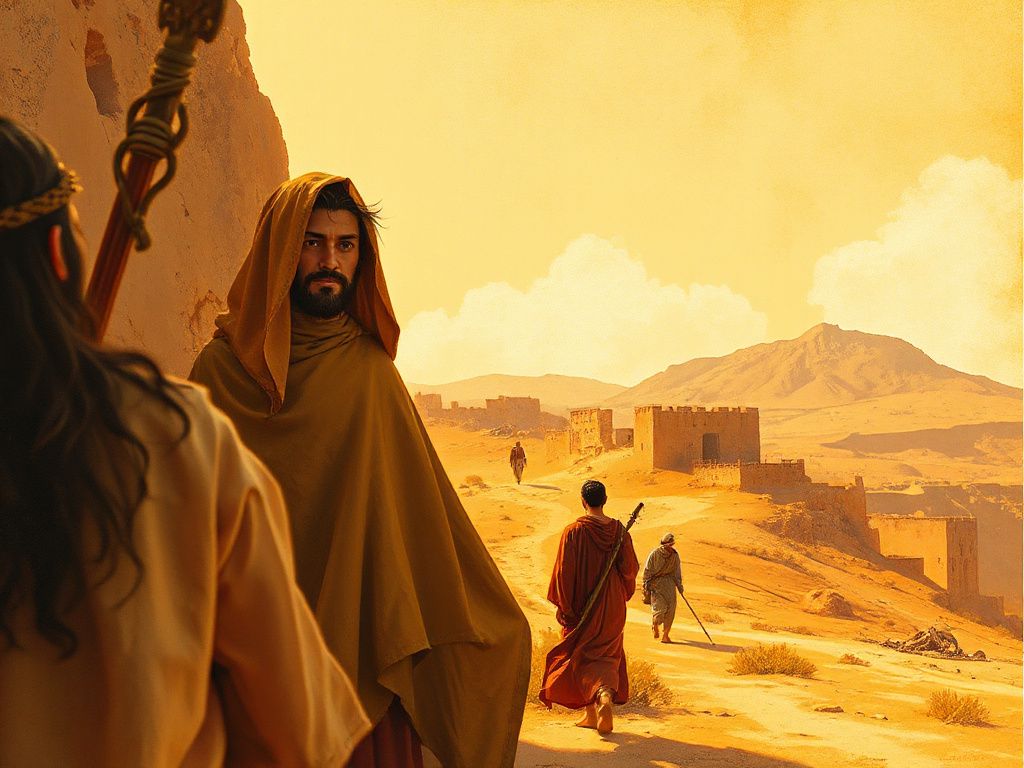
弥迦书第6章在众山面前展开一场圣约诉讼,述说耶和华向以色列所施的恩典,摒弃层层加码的献祭而以公义、怜悯、谦卑为重,并宣告对那以诡诈天平和强暴为标记之城的审判。
经文
- 1.以 色 列 人 哪 , 當 聽 耶 和 華 的 話 ! 要 起 來 向 山 嶺 爭 辯 , 使 岡 陵 聽 你 的 話 。Hear ye now what Jehovah saith: Arise, contend thou before the mountains, and let the hills hear thy voice.
- 2.山 嶺 和 地 永 久 的 根 基 啊 , 要 聽 耶 和 華 爭 辯 的 話 ! 因 為 耶 和 華 要 與 他 的 百 姓 爭 辯 , 與 以 色 列 爭 論 。Hear, O ye mountains, Jehovah's controversy, and ye enduring foundations of the earth; for Jehovah hath a controversy with his people, and he will contend with Israel.
- 3.我 的 百 姓 啊 , 我 向 你 做 了 甚 麼 呢 ? 我 在 甚 麼 事 上 使 你 厭 煩 ? 你 可 以 對 我 證 明 。O my people, what have I done unto thee? and wherein have I wearied thee? testify against me.
- 4.我 曾 將 你 從 埃 及 地 領 出 來 , 從 作 奴 僕 之 家 救 贖 你 ; 我 也 差 遣 摩 西 、 亞 倫 , 和 米 利 暗 在 你 前 面 行 。For I brought thee up out of the land of Egypt, and redeemed thee out of the house of bondage; and I sent before thee Moses, Aaron, and Miriam.
- 5.我 的 百 姓 啊 , 你 們 當 追 念 摩 押 王 巴 勒 所 設 的 謀 和 比 珥 的 兒 子 巴 蘭 回 答 他 的 話 , 並 你 們 從 什 亭 到 吉 甲 所 遇 見 的 事 , 好 使 你 們 知 道 耶 和 華 公 義 的 作 為 。O my people, remember now what Balak king of Moab devised, and what Balaam the son of Beor answered him; remember from Shittim unto Gilgal, that ye may know the righteous acts of Jehovah.
- 6.我 朝 見 耶 和 華 , 在 至 高 神 面 前 跪 拜 , 當 獻 上 甚 麼 呢 ? 豈 可 獻 一 歲 的 牛 犢 為 燔 祭 麼 ?Wherewith shall I come before Jehovah, and bow myself before the high God? shall I come before him with burnt-offerings, with calves a year old?
- 7.耶 和 華 豈 喜 悅 千 千 的 公 羊 , 或 是 萬 萬 的 油 河 麼 ? 我 豈 可 為 自 己 的 罪 過 獻 我 的 長 子 麼 ? 為 心 中 的 罪 惡 獻 我 身 所 生 的 麼 ?will Jehovah be pleased with thousands of rams, or with ten thousands of rivers of oil? shall I give my first-born for my transgression, the fruit of my body for the sin of my soul?
- 8.世 人 哪 , 耶 和 華 已 指 示 你 何 為 善 。 他 向 你 所 要 的 是 甚 麼 呢 ? 只 要 你 行 公 義 , 好 憐 憫 , 存 謙 卑 的 心 , 與 你 的 神 同 行 。He hath showed thee, O man, what is good; and what doth Jehovah require of thee, but to do justly, and to love kindness, and to walk humbly with thy God?
- 9.耶 和 華 向 這 城 呼 叫 , 智 慧 人 必 敬 畏 他 的 名 。 你 們 當 聽 是 誰 派 定 刑 杖 的 懲 罰 。The voice of Jehovah crieth unto the city, and the man of wisdom will see thy name: hear ye the rod, and who hath appointed it.
- 10.惡 人 家 中 不 仍 有 非 義 之 財 和 可 惡 的 小 升 斗 麼 ?Are there yet treasures of wickedness in the house of the wicked, and a scant measure that is abominable?
- 11.我 若 用 不 公 道 的 天 平 和 囊 中 詭 詐 的 法 碼 , 豈 可 算 為 清 潔 呢 ?Shall I be pure with wicked balances, and with a bag of deceitful weights?
- 12.城 裡 的 富 戶 滿 行 強 暴 ; 其 中 的 居 民 也 說 謊 言 , 口 中 的 舌 頭 是 詭 詐 的 。For the rich men thereof are full of violence, and the inhabitants thereof have spoken lies, and their tongue is deceitful in their mouth.
- 13.因 此 , 我 擊 打 你 , 使 你 的 傷 痕 甚 重 , 使 你 因 你 的 罪 惡 荒 涼 。Therefore I also have smitten thee with a grievous wound; I have made thee desolate because of thy sins.
- 14.你 要 吃 , 卻 吃 不 飽 ; 你 的 虛 弱 必 顯 在 你 中 間 。 你 必 挪 去 , 卻 不 得 救 護 ; 所 救 護 的 , 我 必 交 給 刀 劍 。Thou shalt eat, but not be satisfied; and thy humiliation shall be in the midst of thee: and thou shalt put away, but shalt not save; and that which thou savest will I give up to the sword.
- 15.你 必 撒 種 , 卻 不 得 收 割 ; 踹 橄 欖 , 卻 不 得 油 抹 身 ; 踹 葡 萄 , 卻 不 得 酒 喝 。Thou shalt sow, but shalt not reap; thou shalt tread the olives, but shalt not anoint thee with oil; and the vintage, but shalt not drink the wine.
- 16.因 為 你 守 暗 利 的 惡 規 , 行 亞 哈 家 一 切 所 行 的 , 順 從 他 們 的 計 謀 ; 因 此 , 我 必 使 你 荒 涼 , 使 你 的 居 民 令 人 嗤 笑 , 你 們 也 必 擔 當 我 民 的 羞 辱 。For the statutes of Omri are kept, and all the works of the house of Ahab, and ye walk in their counsels; that I may make thee a desolation, and the inhabitants thereof a hissing: and ye shall bear the reproach of my people.
这段经文的意思
1–2节以“rib”(圣约诉讼)开启本章。耶和华召来众山与大地永恒的根基作见证,与祂的百姓争辩。受造之序被呼召来证实:这场争端是在耶和华与以色列之间,而非以色列与别国之间。
3–5节耶和华的语气由指控转为诘问:祂做了什么使以色列厌烦?接着祂历数以色列出埃及、差遣摩西、亚伦、米利暗,以及巴兰与什亭至吉甲的事件。重点不在以色列对这些事件的记忆,而在其对背后耶和华公义作为的记忆。
6–8节构成本章核心。问题层层升级:从一岁的小公牛,到千千的公羊、无数的油河,甚至是头生子;答案却是早已启示的要求:行公义、好怜悯、谦卑与神同行。9节转向城中腐败,10–16节揭露诡诈的度量与强暴,宣示徒劳、损失、荒凉乃圣约的后果。
背景
随文提供的章注将核心信息概括为“公义、怜悯、谦卑”。交叉引用将弥迦书6:8与申命记10:12–13相连——后者询问以色列在耶和华面前当作什么,又与何西阿书6:6及撒母耳记上15:22呼应,同样将顺服与认识神置于燔祭之上。箴言21:3强化“公义与公平胜过献祭”的命题,而歌罗西书3:12与彼得前书3:8在新约中回应了慈怜、恩慈、谦卑的三重呼召。
1、2、9、16节提及“暗利的法规”和“亚哈家所行的事”,这些是经文直接点名的以色列君王之名,其政策被文本视为当下所效法的模式。圣约诉讼的框架亦出现在申命记32:1、耶利米书22:29、弥迦书1:2中“天哪,当听;地啊,侧耳而听”的平行呼召中,以及耶利米书22:3的社会公义命令中,皆列为交叉引用。以赛亚书66:2以指向“虚心痛悔、因我话而战兢”的人,补全了画面。
原文关键词
相关经文
- Deuteronomy 10:12 呼应弥迦书6:8,询问耶和华的要求。两段经文都将圣约的期待落实为遵行神道路、爱神的具体行动,将弥迦所提的公义、慈爱、谦卑三要素与根基性的示玛传统相连。
- Hosea 6:6 直接呼应弥迦书6:6–8:神所喜悦的是良善与认识神,而非燔祭。两位先知都摒弃以加增献祭取代圣约忠信的逻辑。
- Jeremiah 22:3 将弥迦书6:9–12与先知传统中的社会公义相连。呼召施行公正与公义,保护寄居的、孤儿、寡妇,谴责强暴,与弥迦在10–12节对那城所作的诊断一致。
常见问题
本章为何以召众山为见证作开篇?
rib 即圣约诉讼,借用受造之序作为耶和华与以色列争辩中的公正见证。众山及不坏的根基超越人的世代,是圣约条款已被记念、却被破坏的合适保证者。
8节是否完全弃绝献祭?
此节并未取消献祭本身。它将公义的作为、坚定的慈爱、谦卑与神同行置于献祭的增殖之上。重点是:若无这些,再多的小公牛、公羊、油,甚至头生子,都无法满足圣约真正所要求的。
16节中的“暗利的法规”与“亚哈家所行的事”是什么?
它们是指与以色列君王暗利和亚哈相关的政策与作为,经文直接点名。该节指控当时的群体仍守这些王之法、随从其谋略,故本章宣告荒凉与耻辱作为圣约的后果。