章节研读
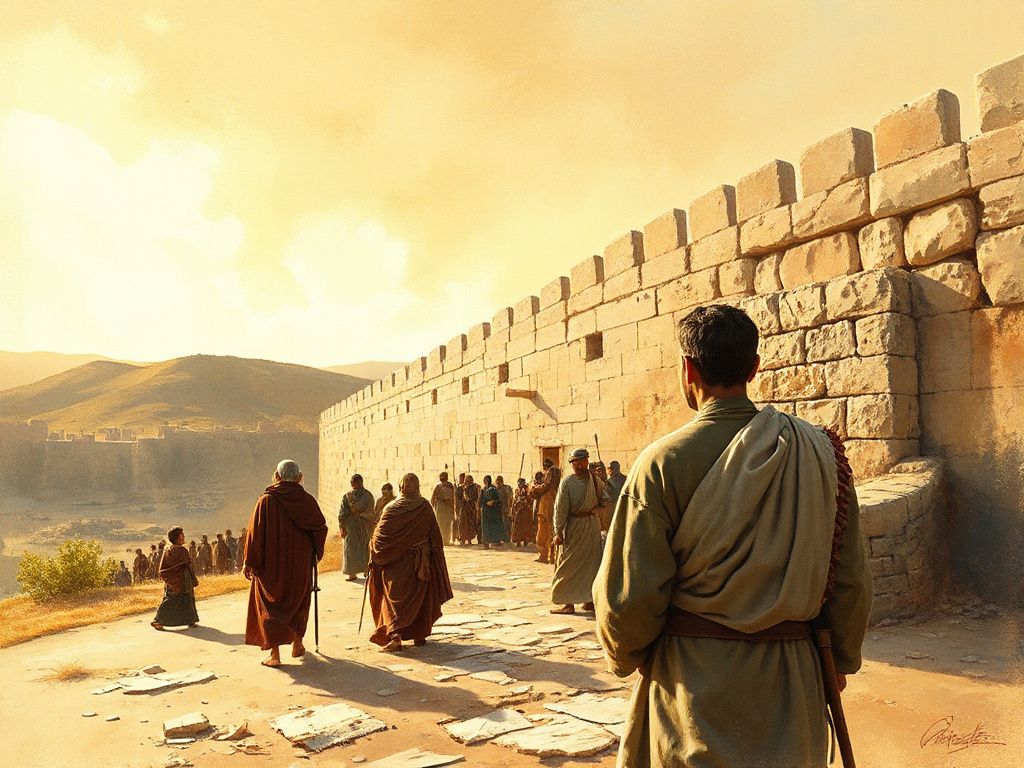
尼希米记8章——诵读律法与住棚节
以斯拉在水门向聚集的百姓诵读摩西律法;百姓哭泣之后,领袖们呼召他们圣洁地喜乐,百姓随后照经上所写的遵守了住棚节。
经文
- 1.到 了 七 月 , 以 色 列 人 住 在 自 己 的 城 裡 。 那 時 , 他 們 如 同 一 人 聚 集 在 水 門 前 的 寬 闊 處 , 請 文 士 以 斯 拉 將 耶 和 華 藉 摩 西 傳 給 以 色 列 人 的 律 法 書 帶 來 。And all the people gathered themselves together as one man into the broad place that was before the water gate; and they spake unto Ezra the scribe to bring the book of the law of Moses, which Jehovah had commanded to Israel.
- 2.七 月 初 一 日 , 祭 司 以 斯 拉 將 律 法 書 帶 到 聽 了 能 明 白 的 男 女 會 眾 面 前 。And Ezra the priest brought the law before the assembly, both men and women, and all that could hear with understanding, upon the first day of the seventh month.
- 3.在 水 門 前 的 寬 闊 處 , 從 清 早 到 晌 午 , 在 眾 男 女 、 一 切 聽 了 能 明 白 的 人 面 前 讀 這 律 法 書 。 眾 民 側 耳 而 聽 。And he read therein before the broad place that was before the water gate from early morning until midday, in the presence of the men and the women, and of those that could understand; and the ears of all the people were attentive unto the book of the law.
- 4.文 士 以 斯 拉 站 在 為 這 事 特 備 的 木 臺 上 。 瑪 他 提 雅 、 示 瑪 、 亞 奈 雅 、 烏 利 亞 、 希 勒 家 , 和 瑪 西 雅 站 在 他 的 右 邊 ; 毗 大 雅 、 米 沙 利 、 瑪 基 雅 、 哈 順 、 哈 拔 大 拿 、 撒 迦 利 亞 , 和 米 書 蘭 站 在 他 的 左 邊 。And Ezra the scribe stood upon a pulpit of wood, which they had made for the purpose; and beside him stood Mattithiah, and Shema, and Anaiah, and Uriah, and Hilkiah, and Maaseiah, on his right hand; and on his left hand, Pedaiah, and Mishael, and Malchijah, and Hashum, and Hashbaddanah, Zechariah, and Meshullam.
- 5.以 斯 拉 站 在 眾 民 以 上 , 在 眾 民 眼 前 展 開 這 書 。 他 一 展 開 , 眾 民 就 都 站 起 來 。And Ezra opened the book in the sight of all the people; (for he was above all the people;) and when he opened it, all the people stood up:
- 6.以 斯 拉 稱 頌 耶 和 華 至 大 的 神 ; 眾 民 都 舉 手 應 聲 說 : 阿 們 ! 阿 們 ! 就 低 頭 , 面 伏 於 地 , 敬 拜 耶 和 華 。and Ezra blessed Jehovah, the great God. And all the people answered, Amen, Amen, with the lifting up of their hands: and they bowed their heads, and worshipped Jehovah with their faces to the ground.
- 7.耶 書 亞 、 巴 尼 、 示 利 比 、 雅 憫 、 亞 谷 、 沙 比 太 、 荷 第 雅 、 瑪 西 雅 、 基 利 他 、 亞 撒 利 雅 、 約 撒 拔 、 哈 難 、 毗 萊 雅 , 和 利 未 人 使 百 姓 明 白 律 法 ; 百 姓 都 站 在 自 己 的 地 方 。Also Jeshua, and Bani, and Sherebiah, Jamin, Akkub, Shabbethai, Hodiah, Maaseiah, Kelita, Azariah, Jozabad, Hanan, Pelaiah, and the Levites, caused the people to understand the law: and the people stood in their place.
- 8.他 們 清 清 楚 楚 地 念 神 的 律 法 書 , 講 明 意 思 , 使 百 姓 明 白 所 念 的 。And they read in the book, in the law of God, distinctly; and they gave the sense, so that they understood the reading.
- 9.省 長 尼 希 米 和 作 祭 司 的 文 士 以 斯 拉 , 並 教 訓 百 姓 的 利 未 人 , 對 眾 民 說 : 今 日 是 耶 和 華 ─ 你 們 神 的 聖 日 , 不 要 悲 哀 哭 泣 。 這 是 因 為 眾 民 聽 見 律 法 書 上 的 話 都 哭 了 ;And Nehemiah, who was the governor, and Ezra the priest the scribe, and the Levites that taught the people, said unto all the people, This day is holy unto Jehovah your God; mourn not, nor weep. For all the people wept, when they heard the words of the law.
- 10.又 對 他 們 說 : 你 們 去 吃 肥 美 的 , 喝 甘 甜 的 , 有 不 能 預 備 的 就 分 給 他 , 因 為 今 日 是 我 們 主 的 聖 日 。 你 們 不 要 憂 愁 , 因 靠 耶 和 華 而 得 的 喜 樂 是 你 們 的 力 量 。Then he said unto them, Go your way, eat the fat, and drink the sweet, and send portions unto him for whom nothing is prepared; for this day is holy unto our Lord: neither be ye grieved; for the joy of Jehovah is your strength.
- 11.於 是 利 未 人 使 眾 民 靜 默 , 說 : 今 日 是 聖 日 ; 不 要 作 聲 , 也 不 要 憂 愁 。So the Levites stilled all the people, saying, Hold your peace, for the day is holy; neither be ye grieved.
- 12.眾 民 都 去 吃 喝 , 也 分 給 人 , 大 大 快 樂 , 因 為 他 們 明 白 所 教 訓 他 們 的 話 。And all the people went their way to eat, and to drink, and to send portions, and to make great mirth, because they had understood the words that were declared unto them.
- 13.次 日 , 眾 民 的 族 長 、 祭 司 , 和 利 未 人 都 聚 集 到 文 士 以 斯 拉 那 裡 , 要 留 心 聽 律 法 上 的 話 。And on the second day were gathered together the heads of fathers' houses of all the people, the priests, and the Levites, unto Ezra the scribe, even to give attention to the words of the law.
- 14.他 們 見 律 法 上 寫 著 , 耶 和 華 藉 摩 西 吩 咐 以 色 列 人 要 在 七 月 節 住 棚 ,And they found written in the law, how that Jehovah had commanded by Moses, that the children of Israel should dwell in booths in the feast of the seventh month;
- 15.並 要 在 各 城 和 耶 路 撒 冷 宣 傳 報 告 說 : 你 們 當 上 山 , 將 橄 欖 樹 、 野 橄 欖 樹 、 番 石 榴 樹 、 棕 樹 , 和 各 樣 茂 密 樹 的 枝 子 取 來 , 照 著 所 寫 的 搭 棚 。and that they should publish and proclaim in all their cities, and in Jerusalem, saying, Go forth unto the mount, and fetch olive branches, and branches of wild olive, and myrtle branches, and palm branches, and branches of thick trees, to make booths, as it is written.
- 16.於 是 百 姓 出 去 , 取 了 樹 枝 來 , 各 人 在 自 己 的 房 頂 上 , 或 院 內 , 或 神 殿 的 院 內 , 或 水 門 的 寬 闊 處 , 或 以 法 蓮 門 的 寬 闊 處 搭 棚 。So the people went forth, and brought them, and made themselves booths, every one upon the roof of his house, and in their courts, and in the courts of the house of God, and in the broad place of the water gate, and in the broad place of the gate of Ephraim.
- 17.從 擄 到 之 地 歸 回 的 全 會 眾 就 搭 棚 , 住 在 棚 裡 。 從 嫩 的 兒 子 約 書 亞 的 時 候 直 到 這 日 , 以 色 列 人 沒 有 這 樣 行 。 於 是 眾 人 大 大 喜 樂 。And all the assembly of them that were come again out of the captivity made booths, and dwelt in the booths; for since the days of Jeshua the son of Nun unto that day had not the children of Israel done so. And there was very great gladness.
- 18.從 頭 一 天 直 到 末 一 天 , 以 斯 拉 每 日 念 神 的 律 法 書 。 眾 人 守 節 七 日 , 第 八 日 照 例 有 嚴 肅 會 。Also day by day, from the first day unto the last day, he read in the book of the law of God. And they kept the feast seven days; and on the eighth day was a solemn assembly, according unto the ordinance.
这段经文的意思
尼希米记8章的核心是一场公开且人人可及的经文诵读。百姓“如同一人”聚集,请经学家以斯拉将“耶和华吩咐以色列的摩西律法书”取来(第1节)。以斯拉站在木制讲台上诵读,由一群具名的人在两旁协助(第4–5节),利未人讲解经文,使听的人能明白(第7–8节)。本章的要旨在于:单是听律法并不够,产生领悟的释经乃是整个事件不可分割的一部分。
百姓听见律法后的第一个反应是哭泣(第9节)。尼希米、以斯拉与利未人将这种忧伤加以引导:这日是圣洁的,他们被吩咐要吃、要喝、要分给那没有预备的人,并要以“耶和华的喜乐”作为他们的力量(第10–11节)。聚会转为共享饮食、赠送礼物与大大喜乐(第12节),显明人回应神的话语应有的态度,既是敬畏,也是欢欣。
次日,领袖们研读律法,发现那被忽略的、要在七月住棚的诫命(第13–15节)。百姓收集树枝,在屋顶、院中以及街市上搭棚,守节七天,并在第八日有严肃会(第16–18节)。经文明说自从以色列人出埃及地以来,直到今日,守棚节未曾这样行过,使这次守节成为一次有意的、恢复圣约的行动。
背景
本章处于被掳归回后恢复的序列之中。它以城墙建造工程与本书前文所记的重居故地为框架,构成那次重建在文本上的高潮:圣约群体重新围绕妥拉聚集,而非围绕城墙或政治权势。与经文同附的章节注释称之为“读律与复兴”,正与此定向相符。
本章内部以一条线索贯穿:先有聚集(第1–3节),接着是讲解(第4–8节),由忧伤转为被吩咐的喜乐(第9–12节),再由讲解进到以住棚节为表现的圣约顺服(第13–18节)。第一日的公开诵读与第二日领袖的研读前后相连,都指向同一目标——使百姓“明白向他们所宣告的话”(第12节),并照他们在律法中所寻得的去行(第14–15节)。
原文关键词
- H8451 תּוֹרַת(tôraṯ),律法——在尼希米记8章,此词指经由摩西所传之成文的训诲。汇编释其为“律例或典章,特指十诫或摩西五经”,与本章反复提及的“摩西律法书”相合。本章视此书为当众诵读并加以讲解的对象。
- H5608 סֹּפֵר(sōp̄ēr),文士——汇编将动词字根释为“以刻痕记数或记录,即铭刻”。在尼希米记8章中,此称号加于以斯拉身上(第1、4、9、13节),其职任是功能性的:以斯拉是将书卷取来、展开并在会众面前诵读的那一位。
- H7339 רְחוֹב(rəḥôḇ),广场——汇编释为“宽阔之地,即通道或空地”。水门前的“宽”(第1、3、16节)是一处开放的公共空间,使公开诵读成为可能;此词表明该事件并非私下或祭司性的聚会,而是在面向聚集百姓的场所中举行的。
相关经文
- Psalms 28:7 尼希米记8:10宣告“耶和华的喜乐是你的力量”。诗篇28:7发出相同的信靠与喜乐之配对,将力量与喜乐安放在主里面,而非听者自身的资源之中。
- Proverbs 17:22 尼希米记8章将听神的话语与一种被吩咐的喜乐相连,使这喜乐成为百姓的“力量”(第10节)。箴言17:22以同一层次将快乐的心描绘为使人得益,将喜乐与领受之人的福祉联系起来。
- Ecclesiastes 9:7 尼希米记8:10吩咐百姓“吃肥美的,喝甘甜的”,因为这日是圣洁的。传道书9:7发出与此处高度平行的嘱咐,要人欢欢喜喜地吃饭,以快乐的心饮酒,并同以神悦纳人的作为为根基。
常见问题
为什么本章将百姓的聚集描述为“如同一人”?
“如同一人”(第1节)是一个团体的惯用语。它并非指某一个个人,而是强调目的的一致:全体会众一起请求听律法,而非以分散的派别各自行动。本章呈现的听律法,是百姓作为一个聚会集体所行的事,而非各个家庭的孤立行为。
为什么在听律法的日子里,百姓被告知不可哭泣?
第9节的哭泣是听见律法之后忧伤的回应,正如经文所记。尼希米、以斯拉与利未人并非否认律法的严肃,而是把这一天重新定位为圣日,并吩咐众人喜乐、吃喝、分享给那没有预备的人,禁止忧伤,因“耶和华的喜乐是你的力量”(第10节)。其要点在于:听见圣约的话语既产生忧伤,也产生被吩咐的喜乐,而领袖们将聚会导向后者。
在尼希米记8章中,重新遵守住棚节为何意义重大?
领袖们在第二日(第13–15节)于律法中寻得住棚的诫命,百姓随后守节七天,并在第八日有严肃会(第16–18节)。本章明言自从约书亚的日子以来未曾如此行过。因此,其意义是圣约性的:听见律法不仅带来一日的情感回应,更带来具体而恢复了一个长久被忽略之节期的顺服行动,使本章成为以经文为本之更新的典范。