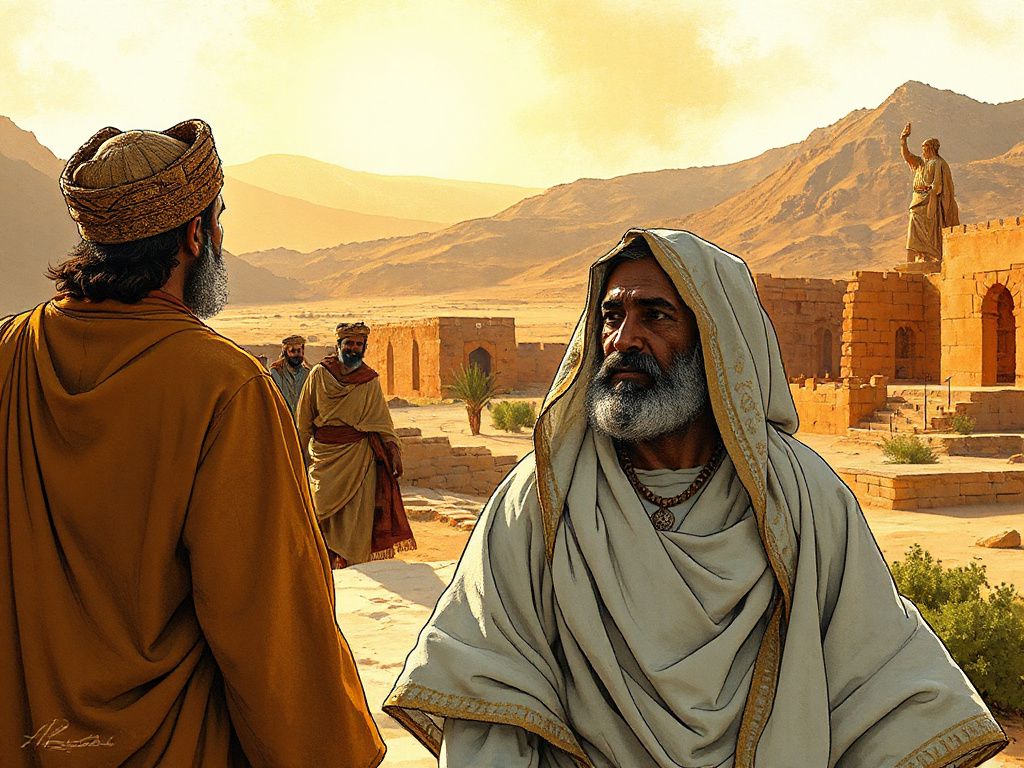
章节研读
西番雅书第3章——对耶路撒冷的审判与喜乐的复兴
第3章以对败坏之城的祸哉开始,展开对列国的神圣审判,并以歌唱结束,因为上帝恢复并因谦卑的余民而欢喜。
经文
- 1.這 悖 逆 、 污 穢 、 欺 壓 的 城 有 禍 了 !Woe to her that is rebellious and polluted! to the oppressing city!
- 2.他 不 聽 從 命 令 , 不 領 受 訓 誨 , 不 倚 靠 耶 和 華 , 不 親 近 他 的 神 。She obeyed not the voice; she received not correction; she trusted not in Jehovah; she drew not near to her God.
- 3.他 中 間 的 首 領 是 咆 哮 的 獅 子 ; 他 的 審 判 官 是 晚 上 的 豺 狼 , 一 點 食 物 也 不 留 到 早 晨 。Her princes in the midst of her are roaring lions; her judges are evening wolves; they leave nothing till the morrow.
- 4.他 的 先 知 是 虛 浮 詭 詐 的 人 ; 他 的 祭 司 褻 瀆 聖 所 , 強 解 律 法 。Her prophets are light and treacherous persons; her priests have profaned the sanctuary, they have done violence to the law.
- 5.耶 和 華 在 他 中 間 是 公 義 的 , 斷 不 做 非 義 的 事 , 每 早 晨 顯 明 他 的 公 義 , 無 日 不 然 ; 只 是 不 義 的 人 不 知 羞 恥 。Jehovah in the midst of her is righteous; he will not do iniquity; every morning doth he bring his justice to light, he faileth not; but the unjust knoweth no shame.
- 6.我 ─ 耶 和 華 已 經 除 滅 列 國 的 民 ; 他 們 的 城 樓 毀 壞 。 我 使 他 們 的 街 道 荒 涼 , 以 致 無 人 經 過 ; 他 們 的 城 邑 毀 滅 , 以 致 無 人 , 也 無 居 民 。I have cut off nations; their battlements are desolate; I have made their streets waste, so that none passeth by; their cities are destroyed, so that there is no man, so that there is no inhabitant.
- 7.我 說 : 你 只 要 敬 畏 我 , 領 受 訓 誨 ; 如 此 , 你 的 住 處 不 致 照 我 所 擬 定 的 除 滅 。 只 是 你 們 從 早 起 來 就 在 一 切 事 上 敗 壞 自 己 。I said, Only fear thou me; receive correction; so her dwelling shall not be cut off, according to all that I have appointed concerning her: but they rose early and corrupted all their doings.
- 8.耶 和 華 說 : 你 們 要 等 候 我 , 直 到 我 興 起 擄 掠 的 日 子 ; 因 為 我 已 定 意 招 聚 列 國 , 聚 集 列 邦 , 將 我 的 惱 怒 ─ 就 是 我 的 烈 怒 都 傾 在 他 們 身 上 。 我 的 忿 怒 如 火 , 必 燒 滅 全 地 。Therefore wait ye for me, saith Jehovah, until the day that I rise up to the prey; for my determination is to gather the nations, that I may assemble the kingdoms, to pour upon them mine indignation, even all my fierce anger; for all the earth shall be devoured with the fire of my jealousy.
- 9.那 時 , 我 必 使 萬 民 用 清 潔 的 言 語 好 求 告 我 ─ 耶 和 華 的 名 , 同 心 合 意 地 事 奉 我 。For then will I turn to the peoples of a pure language, that they may all call upon the name of Jehovah, to serve him with one consent.
- 10.祈 禱 我 的 , 就 是 我 所 分 散 的 民 ( 原 文 是 女 子 ; 下 同 ) , 必 從 古 實 河 外 來 , 給 我 獻 供 物 。From beyond the rivers of Ethiopia my suppliants, even the daughter of my dispersed, shall bring mine offering.
- 11.當 那 日 , 你 必 不 因 你 一 切 得 罪 我 的 事 自 覺 羞 愧 ; 因 為 那 時 我 必 從 你 中 間 除 掉 矜 誇 高 傲 之 輩 , 你 也 不 再 於 我 的 聖 山 狂 傲 。In that day shalt thou not be put to shame for all thy doings, wherein thou hast transgressed against me; for then I will take away out of the midst of thee thy proudly exulting ones, and thou shalt no more be haughty in my holy mountain.
- 12.我 卻 要 在 你 中 間 留 下 困 苦 貧 寒 的 民 ; 他 們 必 投 靠 我 ─ 耶 和 華 的 名 。But I will leave in the midst of thee an afflicted and poor people, and they shall take refuge in the name of Jehovah.
- 13.以 色 列 所 剩 下 的 人 必 不 作 罪 孽 , 不 說 謊 言 , 口 中 也 沒 有 詭 詐 的 舌 頭 ; 而 且 吃 喝 躺 臥 , 無 人 驚 嚇 。The remnant of Israel shall not do iniquity, nor speak lies; neither shall a deceitful tongue be found in their mouth; for they shall feed and lie down, and none shall make them afraid.
- 14.錫 安 的 民 哪 , 應 當 歌 唱 ! 以 色 列 啊 , 應 當 歡 呼 ! 耶 路 撒 冷 的 民 哪 , 應 當 滿 心 歡 喜 快 樂 !Sing, O daughter of Zion; shout, O Israel; be glad and rejoice with all the heart, O daughter of Jerusalem.
- 15.耶 和 華 已 經 除 去 你 的 刑 罰 , 趕 出 你 的 仇 敵 。 以 色 列 的 王 ─ 耶 和 華 在 你 中 間 ; 你 必 不 再 懼 怕 災 禍 。Jehovah hath taken away thy judgments, he hath cast out thine enemy: the King of Israel, even Jehovah, is in the midst of thee; thou shalt not fear evil any more.
- 16.當 那 日 , 必 有 話 向 耶 路 撒 冷 說 : 不 要 懼 怕 ! 錫 安 哪 ; 不 要 手 軟 !In that day it shall be said to Jerusalem, Fear thou not; O Zion, let not thy hands be slack.
- 17.耶 和 華 ─ 你 的 神 是 施 行 拯 救 、 大 有 能 力 的 主 。 他 在 你 中 間 必 因 你 歡 欣 喜 樂 , 默 然 愛 你 , 且 因 你 喜 樂 而 歡 呼 。Jehovah thy God is in the midst of thee, a mighty one who will save; he will rejoice over thee with joy; he will rest in his love; he will joy over thee with singing.
- 18.那 些 屬 你 、 為 無 大 會 愁 煩 、 因 你 擔 當 羞 辱 的 , 我 必 聚 集 他 們 。I will gather them that sorrow for the solemn assembly, who were of thee; to whom the burden upon her was a reproach.
- 19.那 時 , 我 必 罰 辦 一 切 苦 待 你 的 人 , 又 拯 救 你 瘸 腿 的 , 聚 集 你 被 趕 出 的 。 那 些 在 全 地 受 羞 辱 的 , 我 必 使 他 們 得 稱 讚 , 有 名 聲 。Behold, at that time I will deal with all them that afflict thee; and I will save that which is lame, and gather that which was driven away; and I will make them a praise and a name, whose shame hath been in all the earth.
- 20.那 時 , 我 必 領 你 們 進 來 , 聚 集 你 們 ; 我 使 你 們 被 擄 之 人 歸 回 的 時 候 , 就 必 使 你 們 在 地 上 的 萬 民 中 有 名 聲 , 得 稱 讚 。 這 是 耶 和 華 說 的 。At that time will I bring you in, and at that time will I gather you; for I will make you a name and a praise among all the peoples of the earth, when I bring back your captivity before your eyes, saith Jehovah.
这段经文的意思
第1至7节指控耶路撒冷是一座悖逆、污秽、欺压人的城,其首领、审判官、先知和祭司都歪曲了他们的呼召。控诉列出了具体的失败:拒绝听从、拒绝受教、不信靠耶和华、不肯亲近上帝、凶暴的领袖、诡诈的先知,以及亵渎圣所、违背律法的祭司。然而第5节坚称,城中的耶和华仍是公义的,每早晨将祂的公义显明出来;因此,这城执意无耻,不是出于无知,而是出于悖逆。
第8至13节从控诉转向干预。上帝宣告要聚集列国,倾倒祂的愤怒,然后应许洁净万民的言语,使众人同心合意求告耶和华的名。令人惊奇的敬拜者从‘古实河外’而来;骄傲的被除灭,以致困苦贫寒的余民投靠耶和华的名。这余民必不行不义,不说谎言,也不怀诡诈,无人使他们害怕。
第14至20节是锡安之歌的高潮。锡安的女子被吩咐要歌唱、欢呼,因为耶和华已除去对她的审判,赶出她的仇敌,并以君王身份住在她中间。上帝被描绘为不是一位遥远的审判者,而是一位以歌唱为祂子民欢欣的上帝;祂聚集忧伤的人,拯救瘸腿的,并在祂子民被掳归回之时,使他们在天下万民中得名声、得称赞。
背景
这一章是西番雅这卷短书的结尾。第1至7节列述耶路撒冷在各个领导阶层中的败坏,而第5节将此败坏与耶和华在她中间公义、恒久的同在形成鲜明对比。第8节列国的聚集为一次普世性的干预作了铺垫,这干预甚至延伸到第10节所说的‘古实河外’。
原文关键词
- H1945 开头的‘祸哉’(הוֹי, hôy)是一种丧葬哀号,也是先知宣告即将临到审判的惯用表达,绝非仅仅表示怜悯。在西番雅书3:1中,它把整段对耶路撒冷的控诉设定为一个已经启动的宣告。
- H4148 ‘管教’(מוּסָר, mûsār)在第2节中不仅指责备,更指塑造性的训练——旨在塑造行为的教导。因此,耶路撒冷拒绝‘领受’(לָקְחָה)它,就是拒绝被重塑,而不仅仅是未能听见。
- H3238 被译为‘欺压’(יּוֹנָה, yyônāh)的分词带有暴力压制或虐待的含义。在第1节中用于这城时,它指明耶路撒冷不是被动的受害者,而是主动的施暴者,与第3节中掠食的意象相呼应。
相关经文
- Zephaniah 3:15 这个交叉引用指向本章内部:‘耶和华已除去你的审判……以色列的王,就是耶和华,在你中间。’这一自我参照突显了:君王内住的同在,是第16节中恐惧被驱除的根基。
- Isaiah 49:25 以赛亚书49:25与西番雅的应许相呼应:被掳的人必被夺回,强暴者所掳掠的必被解救。两处经文都将复兴描述为上帝亲自与那些与祂子民争竞的人争战。
- Micah 4:6 弥迦书4:6几乎一字不差地呼应西番雅书3:19:聚集瘸腿的,招聚被赶出的。这共同的用语显明,以色列的先知传统把上帝的掌权与软弱和遭遗弃之人的复兴相连,而非与炫耀权力相连。
常见问题
为什么西番雅书第3章从审判转向如此欢腾的喜乐?
就本章本身而言,其中的逻辑是:审判除去骄傲和不义的人(第11至12节),之后被洁净的余民就能毫无恐惧地安然遇见上帝的同在。第14至20节转向歌唱,其依据在第15节:因为耶和华已除去审判,如今作为君王住在城中,恐惧不再有理由,喜乐成为唯一合宜的回应。
第9节中‘言语清洁的众民’是谁?
本章没有指明。第9节说上帝要‘转向万民’,赐给他们洁净的嘴唇,使众人都求告耶和华的名,并‘同心合意’事奉祂。第10节接着显示这种敬拜跨越族群界限,包括了‘从古实河外’来的恳求者,表明其范围是普世性的,而非仅限于犹太人。
第12至13节中的‘余民’在族群上是以色列,还是更广泛的概念?
经文本身使用了‘以色列的余民’(第13节)这一说法,将这个形象与整卷西番雅书所针对的圣约子民联系在一起。与此同时,第9节提到万民被赐下‘清洁的言语’来求告耶和华,第10节提到从古实来的敬拜者,这表明复兴的群体并未与外人隔绝。本章只讲到在敬拜中的包含;除了第9至13节明确说明的,它并没有讨论这与族群身份有何关系。