Related Books
Filter by Era
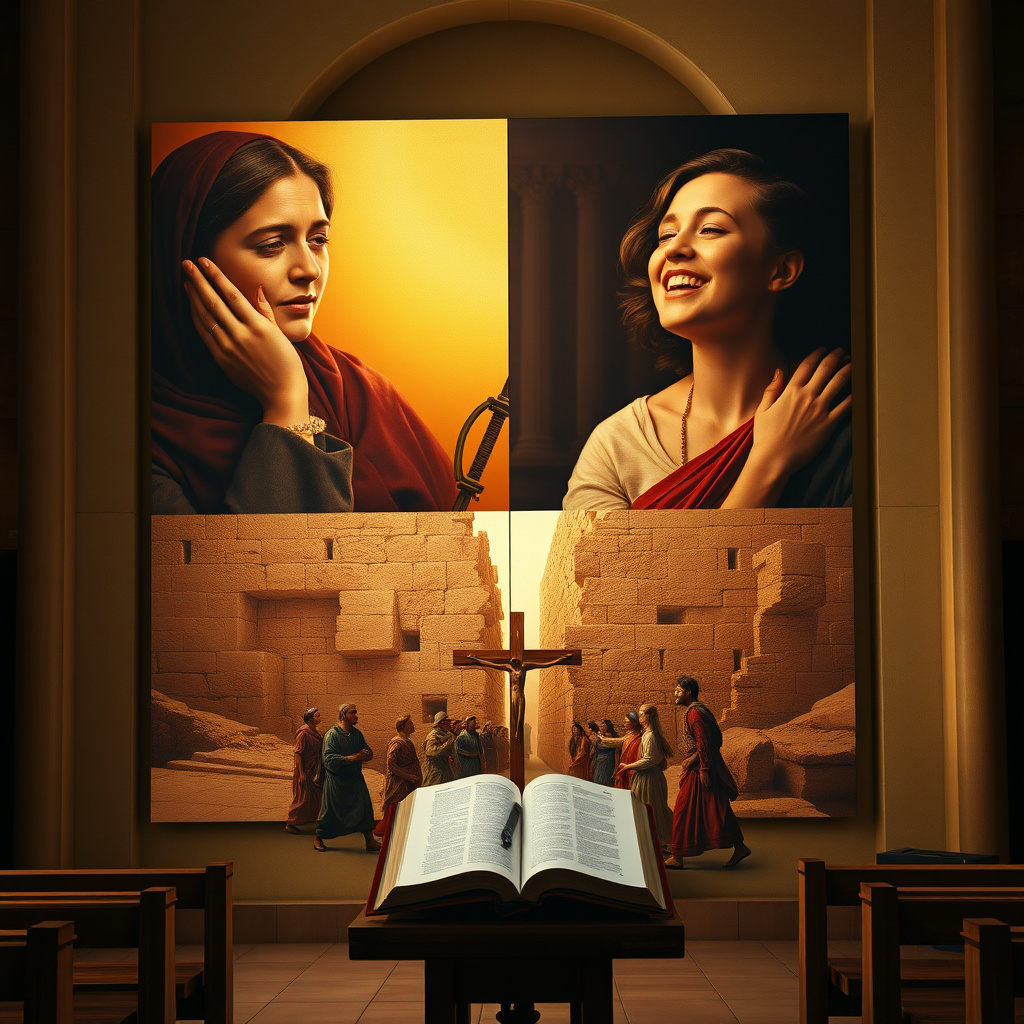
Ecclesiastes 3
Ecclesiastes · Ch.3
Ecclesiastes 3:1-11 A Time for Everything
Psalms 11:6
protestant「Upon the wicked he will rain snares; Fire and brimstone and burning wind shall be the portion of their cup.」
Thirst
allIntense longing of the soul for God, akin to a parched land craving water, expressing deep spiritual need.
First Kings 11:1-8 describes Solomon's gradual drift into idolatry through his foreign wives, a stark contrast to his earlier wisdom. How does Jewish tradition, particularly in the books of Kings and prophetic literature, interpret this tragedy as a cautionary tale about the limits of human wisdom?
Reading Solomon's downfall as a profound lesson on the fragility of even the greatest wisdom.
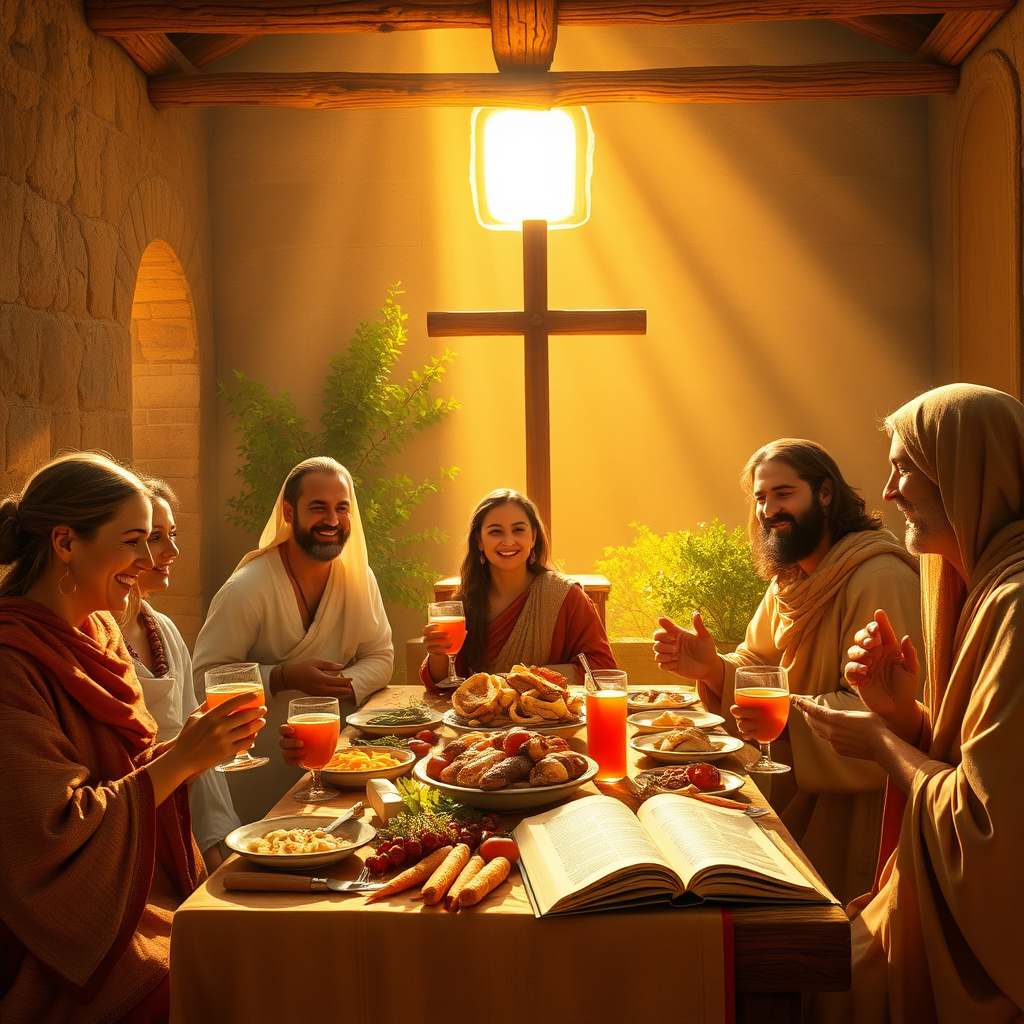
Ecclesiastes 3
Ecclesiastes · Ch.3
Ecclesiastes 3:12-22 Summary and Application
Psalms 67:1
protestant「For the Chief Musician; on stringed instruments. A Psalm, a Song. God be merciful unto us, and bless us, And cause his face to shine upon us; [[Selah」
Faithfulness
allGod's faithfulness is His reliability and steadfastness in keeping covenant promises, the basis for trust.
Was Solomon's wisdom a natural gift or a divine endowment?
God said to Solomon, 'Ask what I shall give you.' This passage reveals the true source of wisdom.
Song of Solomon 8:6
protestant「Set me as a seal upon thy heart, As a seal upon thine arm: For love is strong as death; Jealousy is cruel as Sheol; The flashes thereof are flashes of fire, A very flame of Jehovah.」
Soul
allThe inner self that deeply longs for God, like a deer panting for water, representing intense spiritual desire.
Solomon's wisdom drew kings and queens from many nations (1 Kings 10:1-13), yet later in the same book his heart turns away — what does this tension teach about the relationship between wisdom gifts and spiritual faithfulness?
From the Queen of Sheba's visit to Solomon's later idolatry — a sobering arc.
Psalms 57:9
protestant「I will give thanks unto thee, O Lord, among the peoples: I will sing praises unto thee among the nations.」
Integrity
allMoral wholeness and blamelessness, a character to be pursued by kings and believers.
In Jewish reading, why is the fire from heaven at 1 Kings 18:38 understood as a response to Elijah's taunting mimicry of Baal's worship, and how does the midrashic tradition elaborate on this moment?
How the Rabbis read Elijah's sarcasm at Carmel and the fire's timing as a polemic against idolatry.
Psalms 71:20
protestant「Thou, who hast showed us many and sore troubles, Wilt quicken us again, And wilt bring us up again from the depths of the earth.」
Salvation
allGod's deliverance from sin and trouble, bringing restoration and joy; a central theme in Psalms.
In Catholic moral tradition, wisdom is understood as both intellectual and moral virtue. How does 1 Kings 3:16-28, the judgment of the two mothers, demonstrate this integration of discernment, justice, and compassion?
The famous judgment of Solomon — wisdom in action through the two mothers.
1 Kings 22:18
protestant「And the king of Israel said to Jehoshaphat, Did I not tell thee that he would not prophesy good concerning me, but evil?」
Innate Wickedness
allDescribes the inherent rebellion of the wicked from birth, pointing to the universal doctrine of original sin in human nature.
What does the fire from heaven on Mount Carmel reveal about the character of God as presented in 1 Kings 18, and how should this shape the believer's response?
YHWH, the God who answers — and answers with fire.
1 Kings 7:17
judaism「also nets of meshwork with festoons of chainwork for the capitals that were on the top of the columns, seven for each of the two capitals.」
Refuge
allGod as a hiding place and safe haven for believers in times of trouble, expressing complete trust.
Is fearing God and keeping his commandments the only answer to life's meaning?
Ecclesiastes 12:13 concludes the book - how does fearing God and obeying commands reconcile vanity with meaning?
Psalms 74:9
protestant「We see not our signs: There is no more any prophet; Neither is there among us any that knoweth how long.」
Way
allThe path of truth and righteousness that God teaches, serving as a guide for believers.
Where did Elijah find the courage to stand alone against the 450 prophets of Baal?
Reflecting on our own Mount Carmel moments through one prophet's solitary courage.
Psalms 17:2
judaism「My vindication will come from You;Your eyes will behold what is right.」
Judgment
allGod's righteous judgment from heaven to save all the meek of the earth.
What does Elijah's fire from heaven on Mount Carmel teach us about living a life of faith today?
Explore how this dramatic confrontation reveals the heart of genuine faith and divine power.
Proverbs 18:5
protestant「To respect the person of the wicked is not good, Nor to turn aside the righteous in judgment.」
Most High
allA title emphasizing God's supreme position and absolute sovereignty, often used in worship to exalt His majesty.
Why did the people immediately proclaim "The LORD, He is God" after the fire fell?
Examining the moment of repentance and collective confession in 1 Kings 18
Psalms 139:14
protestant「I will give thanks unto thee; For I am fearfully and wonderfully made: Wonderful are thy works; And that my soul knoweth right well.」
Hallelujah
allA Hebrew exclamation meaning 'Praise the Lord,' used in Psalms to call for worship.
After the fire falls, Elijah orders the prophets of Baal seized (1 Kings 18:40). Why does the narrative link miraculous fire immediately to judgment, and how does that shape our reading of fire as both revelation and consequence?
Question the uneasy coexistence of mercy and severity in Carmel.
Psalms 32:1
protestant「A Psalm of David. Maschil. Blessed is he whose transgression is forgiven, Whose sin is covered.」
Deliverance
allGod's saving action to rescue His people from enemies and sin, pointing to ultimate salvation.
What does Elijah's calling of fire from heaven reveal about the nature of the one true God?
Explore the fire on Mount Carmel and how God demonstrates power and mercy against Baal.
Psalms 36:10
protestant「Oh continue thy lovingkindness unto them that know thee, And thy righteousness to the upright in heart.」
Trust in the Lord
allWholehearted reliance on Yahweh, producing steadfastness and fearlessness in adversity.
After the fire, Elijah has the prophets of Baal killed (1 Kings 18:40). How should readers wrestle with the severity of this command in light of the covenant warnings against false worship, and what tensions does it raise for a contemporary reading?
Fire and judgment were inseparable at Carmel. Does mercy fit anywhere in the story?
Psalms 16:4
protestant「Their sorrows shall be multiplied that give gifts for another god: Their drink-offerings of blood will I not offer, Nor take their names upon my lips.」
Yahweh
allThe sacred, covenant name of God (YHWH), emphasizing His eternal existence and relationship with Israel.
How does the fire from heaven on Mount Carmel reveal the character of God, and what does Elijah's prayer in 1 Kings 18:36-37 teach us about effective intercession?
Elijah's prayer was short, bold, and rooted in covenant identity — why did God answer with such dramatic fire?
Psalms 15:3
protestant「He that slandereth not with his tongue, Nor doeth evil to his friend, Nor taketh up a reproach against his neighbor;」
Deaf Viper
allSymbolizes the wicked who obstinately refuse to hear God's word and calls to repentance, like a snake that stops its ears.
1 Kings 10:1-10 records the Queen of Sheba testing Solomon with hard questions. What does this international encounter suggest about the reputation and scope of wisdom in the ancient world?
Wisdom drew seekers from afar — what does the Queen of Sheba's visit reveal about the universal hunger for truth?
Psalms 36:10
judaism「With You is the fountain of life;by Your light do we see light.」
Lovingkindness
allGod's covenantal, steadfast love that endures forever, a central theme of thanksgiving and praise in the Psalms.
Did Solomon's vast wisdom and accumulating wealth conceal a spiritual danger?
Could the very blessings God bestowed become a snare? Were seeds of Solomon's later decline visible from the start?
Psalms 102:15
judaism「Your servants take delight in its stones,and cherish its dust.」
Sowing in Tears
allSowing seeds of hope in faith amidst suffering, ultimately yielding God's harvest of joy.
When Elijah calls down fire from heaven on Mount Carmel, he has the altar drenched with water three times before the fire falls. Why do you think God chose to demonstrate His power in such a dramatic and unmistakable way, and what does this reveal about the kind of faith Elijah was calling Israel to exercise?
Explore the spectacular moment on Mount Carmel and what it teaches about bold faith versus compromise.
Song of Solomon 2:17
protestant「Until the day be cool, and the shadows flee away, Turn, my beloved, and be thou like a roe or a young hart Upon the mountains of Bether.」
Glory
allThe manifest majesty and honor of God, deserving praise from all peoples, revealing His transcendence.
How does Elijah's prayer in 1 Kings 18 display both faith and divine sovereignty?
A prayer of faith that kindled heaven's fire—what does it teach us?
1 Kings 4:10
judaism「Ben-hesed in Arubboth—he governed Socho and all the Hepher area;」
Salvation
allGod's deliverance of His people from trouble, death, and sin, a recurring plea and theme in the Psalms.
How did Solomon's judgment between two mothers reveal a unique kind of wisdom?
Two women claimed one infant, and Solomon's verdict is still celebrated as a model of wisdom.
Psalms 68:18
protestant「Thou hast ascended on high, thou hast led away captives; Thou hast received gifts among men, Yea, among the rebellious also, that Jehovah God might dwell with them.」
blessed
allDescribes the true happiness and joy of those who dwell in God's house, rely on His strength, and journey to Zion.
First Kings 10 recounts the Queen of Sheba testing him with hard questions. What does her coming from afar to hear Solomon's wisdom suggest about whether true wisdom draws people or simply amasses knowledge?
Wisdom worth traveling for — what made Solomon's reputation cross borders?
Proverbs 10:5
protestant「He that gathereth in summer is a wise son; But he that sleepeth in harvest is a son that causeth shame.」
Jerusalem
allThe chosen city of God, site of the temple, symbol of divine presence and eschatological hope.
By 1 Kings 11:1-13, Solomon's many foreign wives lead his heart astray, and the text explicitly notes his wisdom was no longer governing his choices. How does the tragic arc from 1 Kings 3 to 1 Kings 11 challenge readers to consider the relationship between gift and character in spiritual life?
Reflect on the decline of Solomon and the sobering lesson that wisdom is a gift that must be guarded, not merely possessed.
Psalms 145:6
protestant「And men shall speak of the might of thy terrible acts; And I will declare thy greatness.」
Righteousness
allGod's perfect justice as Judge, proclaimed by the heavens as the foundation of His rule.
How does Solomon's wisdom relate to the greater wisdom Jesus spoke of?
Comparing Solomon's splendor with the eternal value of Christ's kingdom wisdom.
Psalms 69:17
protestant「And hide not thy face from thy servant; For I am in distress; answer me speedily.」
Wicked
allThose who rebel against God and do evil; they are like chaff blown away and will be condemned in judgment.
What does the Queen of Sheba's testing of Solomon reveal about the true source of wisdom?
A foreign queen traveled far to hear Solomon's wisdom. What does this scene teach us about the universality of wisdom?
Psalms 12:8
protestant「The wicked walk on every side, When vileness is exalted among the sons of men.」
Word
allGod's revealed word, possessing creative and redemptive power.
How does Solomon's gradual drift away from the Mosaic covenant in 1 Kings 11:1-13 serve as a sobering reminder that wisdom without faithfulness ultimately fails?
A difficult but honest look at how even the wisest king can let giftedness outpace obedience.