BIBLE BOOK GUIDE
Ezekiel
48 chapters
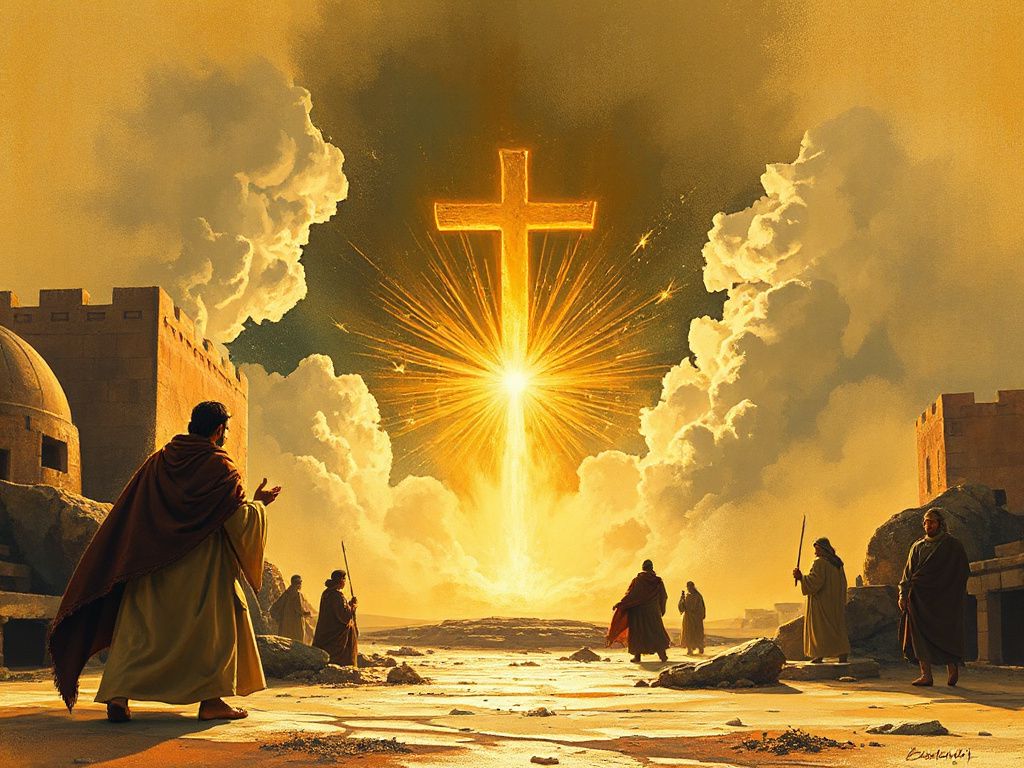
In the midst of exile and unfaithfulness, the glory of the LORD departs—yet only temporarily—for He will judge the nations, restore Israel, and dwell among His people as their sanctuary and King.
Ezekiel
Choose a chapter
Pick a chapter and it opens in the Current chapter tab. Come back here whenever you want to choose another one.
Why this book was written
Ezekiel prophesied among the exiles in Babylon. He was appointed as a watchman to the rebellious house, announcing judgment for idolatry and covenant unfaithfulness (chs. 1–24). After the fall of Jerusalem, he brought comfort, assuring the remnant that God's glory would return, that Israel would be restored, and that the LORD Himself would dwell among them in a new temple and on a renewed earth (chs. 33–48).
Structure
- 1–3Ezekiel's Call and Prophetic Commission
- 4–24Judgment on Jerusalem and the Rebellious House
- 25–32Oracles Against the Nations
- 33–39Promises of Restoration: Shepherds, a New Heart, and Victory
- 40–48The New Temple, New Worship, and the Return of God's Glory
Major themes
The Glory and Holiness of the LORD
From the throne-chariot in chapter 1 to the return of the divine glory to the temple at the end, God repeatedly displays His transcendent holiness and calls His people to be set apart.
Judgment and Justice
The prophet pronounces judgment on Jerusalem, the nations, and the temple, because sin has reached its full measure and God will act according to His righteousness.
Identity and Obedience of the Prophet
God gives visions, words, and strange signs (such as swallowing the scroll, lying on his side 390 days) to shape Ezekiel as a watchman for the house of Israel.
Restoration and the New Covenant Promise
After judgment, God promises to give a new heart and new spirit, revive the dry bones, rebuild the temple, and cause life-giving waters to flow again.
Shepherding and Individual Responsibility
Chapter 34 condemns the false shepherds; the LORD Himself becomes the Good Shepherd who seeks the lost, and each person is judged according to his own deeds.
The Fate of the Nations and God's Sovereignty
Chapters 25–32 address Ammon, Moab, Edom, Philistia, Tyre, and Egypt, showing that all nations are under the sovereign rule of God.
How it points to Christ
Ezekiel foreshadows Christ in multiple ways: He is the Good Shepherd and the Davidic descendant (Ezek 34:23) and the center of the visions of the Glory of the Lord; His Spirit revives the dead bones (ch. 37), pointing to new life for sinners; the new covenant of cleansing water and new spirit (36:25–27) is fulfilled in Him; and the life-giving river flowing from the temple (ch. 47) points to the outpouring of the Spirit and the river of life in the new creation (cf. Rev 22:1).
Key verses
- 1:28Ezekiel's inaugural vision of the glory of the LORD establishes the book's central theme: divine glory that departs will also return.
- 3:17The watchman mandate defines Ezekiel's prophetic role: to warn the wicked faithfully, with personal responsibility for the warning given.
- 11:19God promises to give a new heart and a new spirit—a prophetic anticipation of the inward renewal later fulfilled in the new covenant.
- 18:31A call to make yourselves a new heart and spirit, grounding Ezekiel's theology of personal repentance and divine justice.
- 36:26–27The climactic restoration promise: God Himself removes the heart of stone, gives a heart of flesh, and puts His Spirit within.
- 37:14The valley of dry bones receives life when God's Spirit comes—prophesying the eschatological resurrection and restoration of God's people.
- 43:2The glory of the LORD returns to the new temple—the literary climax that resolves the departure seen in chs. 9–11.
- 48:35The city is named 'The LORD Is There,' fulfilling the book's theology that God's presence is the goal of all redemption.
People in this book
Questions for reflection
- ·How does the manifestation of God's glory in Ezekiel's vision shape your awareness of God's presence today?
- ·How does God's word, 'Do I have any pleasure in the death of the wicked?' (Ezek 18:23), challenge your view of repentance and mercy?
- ·How does the vision of the valley of dry bones (ch. 37) encourage you to declare God's power in situations that seem hopeless?
- ·'I will give you a new heart and put a new spirit within you' (36:26)—how does this promise motivate you to seek daily renewal by the Spirit?
- ·If the watchman does not warn the wicked, he is held accountable (3:18)—what does this say about believers watching over one another today?
Want to read Ezekiel start to finish? Open the reader for parallel Chinese/English text and ask anything as you go.
Start reading EzekielEzekiel
Chapter 18
1The word of Jehovah came unto me again, saying,
2What mean ye, that ye use this proverb concerning the land of Israel, saying, The fathers have eaten sour grapes, and the children's teeth are set on edge?
3As I live, saith the Lord Jehovah, ye shall not have occasion any more to use this proverb in Israel.
4Behold, all souls are mine; as the soul of the father, so also the soul of the son is mine: the soul that sinneth, it shall die.
5But if a man be just, and do that which is lawful and right,
6and hath not eaten upon the mountains, neither hath lifted up his eyes to the idols of the house of Israel, neither hath defiled his neighbor's wife, neither hath come near to a woman in her impurity,
7and hath not wronged any, but hath restored to the debtor his pledge, hath taken nought by robbery, hath given his bread to the hungry, and hath covered the naked with a garment;
8he that hath not given forth upon interest, neither hath taken any increase, that hath withdrawn his hand from iniquity, hath executed true justice between man and man,
9hath walked in my statutes, and hath kept mine ordinances, to deal truly; he is just, he shall surely live, saith the Lord Jehovah.
10If he beget a son that is a robber, a shedder of blood, and that doeth any one of these things,
11and that doeth not any of those duties, but even hath eaten upon the mountains, and defiled his neighbor's wife,
12hath wronged the poor and needy, hath taken by robbery, hath not restored the pledge, and hath lifted up his eyes to the idols, hath committed abomination,
13hath given forth upon interest, and hath taken increase; shall he then live? he shall not live: he hath done all these abominations; he shall surely die; his blood shall be upon him.
14Now, lo, if he beget a son, that seeth all his father's sins, which he hath done, and feareth, and doeth not such like;
15that hath not eaten upon the mountains, neither hath lifted up his eyes to the idols of the house of Israel, hath not defiled his neighbor's wife,
16neither hath wronged any, hath not taken aught to pledge, neither hath taken by robbery, but hath given his bread to the hungry, and hath covered the naked with a garment;
17that hath withdrawn his hand from the poor, that hath not received interest nor increase, hath executed mine ordinances, hath walked in my statutes; he shall not die for the iniquity of his father, he shall surely live.
18As for his father, because he cruelly oppressed, robbed his brother, and did that which is not good among his people, behold, he shall die in his iniquity.
19Yet say ye, Wherefore doth not the son bear the iniquity of the father? when the son hath done that which is lawful and right, and hath kept all my statutes, and hath done them, he shall surely live.
20The soul that sinneth, it shall die: the son shall not bear the iniquity of the father, neither shall the father bear the iniquity of the son; the righteousness of the righteous shall be upon him, and the wickedness of the wicked shall be upon him.
21But if the wicked turn from all his sins that he hath committed, and keep all my statutes, and do that which is lawful and right, he shall surely live, he shall not die.
22None of his transgressions that he hath committed shall be remembered against him: in his righteousness that he hath done he shall live.
23Have I any pleasure in the death of the wicked? saith the Lord Jehovah; and not rather that he should return from his way, and live?
24But when the righteous turneth away from his righteousness, and committeth iniquity, and doeth according to all the abominations that the wicked man doeth, shall he live? None of his righteous deeds that he hath done shall be remembered: in his trespass that he hath trespassed, and in his sin that he hath sinned, in them shall he die.
25Yet ye say, The way of the Lord is not equal. Hear now, O house of Israel: Is not my way equal? are not your ways unequal?
26When the righteous man turneth away from his righteousness, and committeth iniquity, and dieth therein; in his iniquity that he hath done shall he die.
27Again, when the wicked man turneth away from his wickedness that he hath committed, and doeth that which is lawful and right, he shall save his soul alive.
28Because he considereth, and turneth away from all his transgressions that he hath committed, he shall surely live, he shall not die.
29Yet saith the house of Israel, The way of the Lord is not equal. O house of Israel, are not my ways equal? are not your ways unequal?
30Therefore I will judge you, O house of Israel, every one according to his ways, saith the Lord Jehovah. Return ye, and turn yourselves from all your transgressions; so iniquity shall not be your ruin.
31Cast away from you all your transgressions, wherein ye have transgressed; and make you a new heart and a new spirit: for why will ye die, O house of Israel?
32For I have no pleasure in the death of him that dieth, saith the Lord Jehovah: wherefore turn yourselves, and live.