BIBLE BOOK GUIDE
Ezekiel
48 chapters
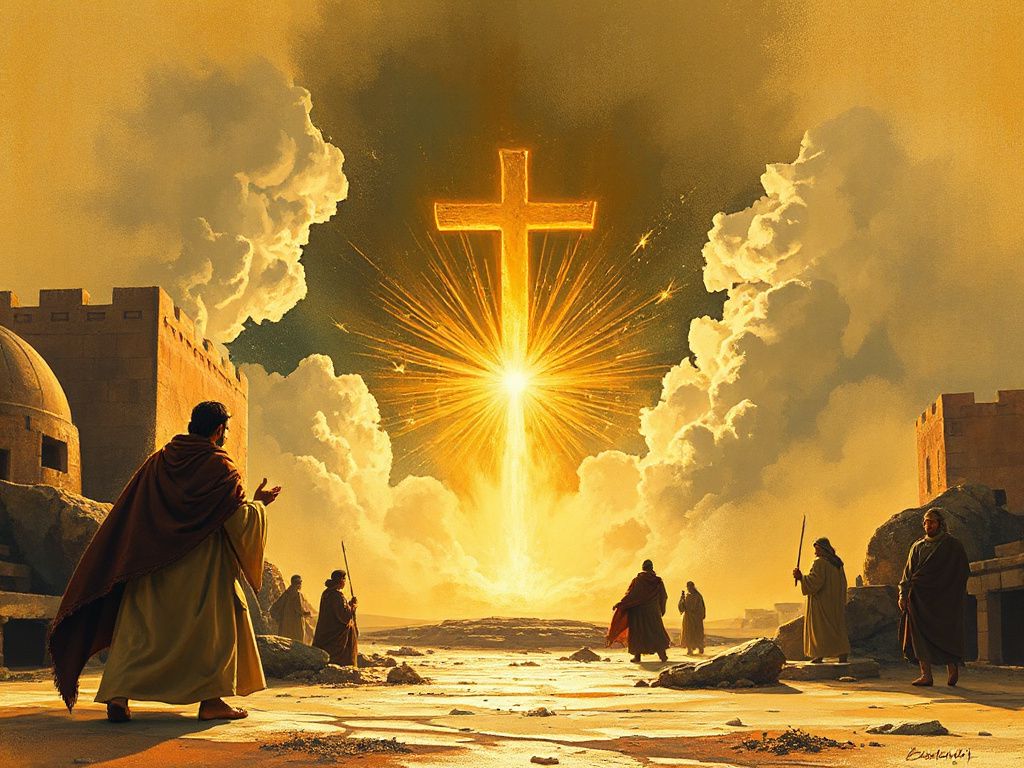
In the midst of exile and unfaithfulness, the glory of the LORD departs—yet only temporarily—for He will judge the nations, restore Israel, and dwell among His people as their sanctuary and King.
Ezekiel
Choose a chapter
Pick a chapter and it opens in the Current chapter tab. Come back here whenever you want to choose another one.
Why this book was written
Ezekiel prophesied among the exiles in Babylon. He was appointed as a watchman to the rebellious house, announcing judgment for idolatry and covenant unfaithfulness (chs. 1–24). After the fall of Jerusalem, he brought comfort, assuring the remnant that God's glory would return, that Israel would be restored, and that the LORD Himself would dwell among them in a new temple and on a renewed earth (chs. 33–48).
Structure
- 1–3Ezekiel's Call and Prophetic Commission
- 4–24Judgment on Jerusalem and the Rebellious House
- 25–32Oracles Against the Nations
- 33–39Promises of Restoration: Shepherds, a New Heart, and Victory
- 40–48The New Temple, New Worship, and the Return of God's Glory
Major themes
The Glory and Holiness of the LORD
From the throne-chariot in chapter 1 to the return of the divine glory to the temple at the end, God repeatedly displays His transcendent holiness and calls His people to be set apart.
Judgment and Justice
The prophet pronounces judgment on Jerusalem, the nations, and the temple, because sin has reached its full measure and God will act according to His righteousness.
Identity and Obedience of the Prophet
God gives visions, words, and strange signs (such as swallowing the scroll, lying on his side 390 days) to shape Ezekiel as a watchman for the house of Israel.
Restoration and the New Covenant Promise
After judgment, God promises to give a new heart and new spirit, revive the dry bones, rebuild the temple, and cause life-giving waters to flow again.
Shepherding and Individual Responsibility
Chapter 34 condemns the false shepherds; the LORD Himself becomes the Good Shepherd who seeks the lost, and each person is judged according to his own deeds.
The Fate of the Nations and God's Sovereignty
Chapters 25–32 address Ammon, Moab, Edom, Philistia, Tyre, and Egypt, showing that all nations are under the sovereign rule of God.
How it points to Christ
Ezekiel foreshadows Christ in multiple ways: He is the Good Shepherd and the Davidic descendant (Ezek 34:23) and the center of the visions of the Glory of the Lord; His Spirit revives the dead bones (ch. 37), pointing to new life for sinners; the new covenant of cleansing water and new spirit (36:25–27) is fulfilled in Him; and the life-giving river flowing from the temple (ch. 47) points to the outpouring of the Spirit and the river of life in the new creation (cf. Rev 22:1).
Key verses
- 1:28Ezekiel's inaugural vision of the glory of the LORD establishes the book's central theme: divine glory that departs will also return.
- 3:17The watchman mandate defines Ezekiel's prophetic role: to warn the wicked faithfully, with personal responsibility for the warning given.
- 11:19God promises to give a new heart and a new spirit—a prophetic anticipation of the inward renewal later fulfilled in the new covenant.
- 18:31A call to make yourselves a new heart and spirit, grounding Ezekiel's theology of personal repentance and divine justice.
- 36:26–27The climactic restoration promise: God Himself removes the heart of stone, gives a heart of flesh, and puts His Spirit within.
- 37:14The valley of dry bones receives life when God's Spirit comes—prophesying the eschatological resurrection and restoration of God's people.
- 43:2The glory of the LORD returns to the new temple—the literary climax that resolves the departure seen in chs. 9–11.
- 48:35The city is named 'The LORD Is There,' fulfilling the book's theology that God's presence is the goal of all redemption.
People in this book
Questions for reflection
- ·How does the manifestation of God's glory in Ezekiel's vision shape your awareness of God's presence today?
- ·How does God's word, 'Do I have any pleasure in the death of the wicked?' (Ezek 18:23), challenge your view of repentance and mercy?
- ·How does the vision of the valley of dry bones (ch. 37) encourage you to declare God's power in situations that seem hopeless?
- ·'I will give you a new heart and put a new spirit within you' (36:26)—how does this promise motivate you to seek daily renewal by the Spirit?
- ·If the watchman does not warn the wicked, he is held accountable (3:18)—what does this say about believers watching over one another today?
Where Ezekiel fits in the Bible's storyline
This book appears in the 12-stop storyline at:
Where to start reading the Bible? See the full 12-stop storyline
Want to read Ezekiel start to finish? Open the reader for parallel Chinese/English text and ask anything as you go.
Start reading EzekielEzekiel
Chapter 8
1And it came to pass in the sixth year, in the sixth month, in the fifth day of the month, as I sat in my house, and the elders of Judah sat before me, that the hand of the Lord Jehovah fell there upon me.
2Then I beheld, and, lo, a likeness as the appearance of fire; from the appearance of his loins and downward, fire; and from his loins and upward, as the appearance of brightness, as it were glowing metal.
3And he put forth the form of a hand, and took me by a lock of my head; and the Spirit lifted me up between earth and heaven, and brought me in the visions of God to Jerusalem, to the door of the gate of the inner court that looketh toward the north; where was the seat of the image of jealousy, which provoketh to jealousy.
4And, behold, the glory of the God of Israel was there, according to the appearance that I saw in the plain.
5Then said he unto me, Son of man, lift up thine eyes now the way toward the north. So I lifted up mine eyes the way toward the north, and behold, northward of the gate of the altar this image of jealousy in the entry.
6And he said unto me, Son of man, seest thou what they do? even the great abominations that the house of Israel do commit here, that I should go far off from my sanctuary? But thou shalt again see yet other great abominations.
7And he brought me to the door of the court; and when I looked, behold, a hole in the wall.
8Then said he unto me, Son of man, dig now in the wall: and when I had digged in the wall, behold, a door.
9And he said unto me, Go in, and see the wicked abominations that they do here.
10So I went in and saw; and behold, every form of creeping things, and abominable beasts, and all the idols of the house of Israel, portrayed upon the wall round about.
11And there stood before them seventy men of the elders of the house of Israel; and in the midst of them stood Jaazaniah the son of Shaphan, every man with his censer in his hand; and the odor of the cloud of incense went up.
12Then said he unto me, Son of man, hast thou seen what the elders of the house of Israel do in the dark, every man in his chambers of imagery? for they say, Jehovah seeth us not; Jehovah hath forsaken the land.
13He said also unto me, Thou shalt again see yet other great abominations which they do.
14Then he brought me to the door of the gate of Jehovah's house which was toward the north; and behold, there sat the women weeping for Tammuz.
15Then said he unto me, Hast thou seen this, O son of man? thou shalt again see yet greater abominations than these.
16And he brought me into the inner court of Jehovah's house; and behold, at the door of the temple of Jehovah, between the porch and the altar, were about five and twenty men, with their backs toward the temple of Jehovah, and their faces toward the east; and they were worshipping the sun toward the east.
17Then he said unto me, Hast thou seen this, O son of man? Is it a light thing to the house of Judah that they commit the abominations which they commit here? for they have filled the land with violence, and have turned again to provoke me to anger: and, lo, they put the branch to their nose.
18Therefore will I also deal in wrath; mine eye shall not spare, neither will I have pity; and though they cry in mine ears with a loud voice, yet will I not hear them.