BIBLE FILM GUIDE
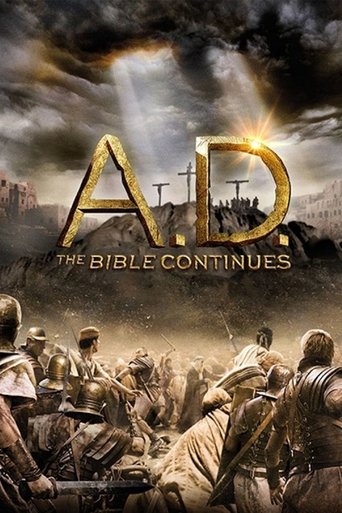
A.D. The Bible Continues
Series · 2015 · 43 min
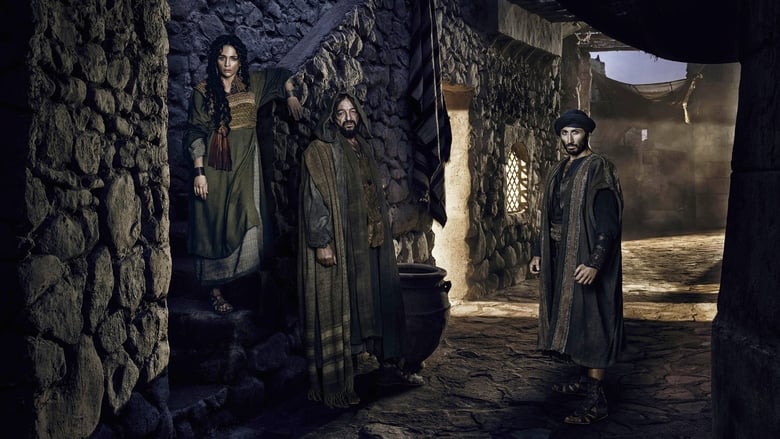
A 2015 TV series that begins at the Crucifixion and Resurrection and follows the disciples as they carry Christ's teachings into a politically unstable world, launching a new religion.
What the story covers
According to the overview, A.D. The Bible Continues begins at the Crucifixion and Resurrection and follows the disciples, Mary, and political and religious leaders of the era as they respond to the events that immediately followed Christ's death. The series portrays the early community trying to spread Christ's teachings in a setting marked by political unrest.
The story it tells sits in the opening chapters of Acts in the New Testament, where Luke records the risen Christ's appearances, the coming of the Holy Spirit at Pentecost, Peter's early sermons in Jerusalem, and the first conflicts with religious authorities. Figures named in the series — Peter, John, Stephen, Paul, and Pontius Pilate — appear across Acts 1–10, with Paul's main activity beginning later in the book.
Where it is in the Bible
- Acts 1:8Jesus tells the disciples they will receive power when the Holy Spirit comes and will be his witnesses from Jerusalem to the ends of the earth — the mandate the series shows the early community trying to carry out.
- Acts 2:1-4At Pentecost the disciples are filled with the Holy Spirit and speak in other tongues — the empowering event that launches the preaching described in the series overview.
- Acts 2:38-39Peter calls the crowd to repent, be baptized in Jesus' name, and receive the gift of the Holy Spirit — a sample of the early sermons the series will dramatise.
- Acts 4:12Peter declares that salvation is found in no other name under heaven — the kind of bold confession that puts the disciples in conflict with the authorities the series portrays.
How it differs from the Bible
The overview says the series begins at the Crucifixion and Resurrection and follows the disciples as they spread Christ's teachings, but it does not specify which events or how closely they track Acts. Watch for how the show handles the forty days between Resurrection and Ascension (Acts 1:3), the replacement of Judas (Acts 1:15–26), and the selection of the seven in Acts 6 — passages that adaptations often compress or reorder to keep the early momentum on Peter and the core apostles.
Also note how the series balances political figures like Pontius Pilate and Caiaphas against the spiritual movement in Acts 2–4. Scripture spends most of its space on sermons and community life, while dramatic adaptations often foreground the political danger. When watching, compare what screen time each receives with what weight Acts itself gives to the Spirit's work versus the opposition.
Discussion questions
- 1
How does Acts 1:8 shape what the disciples are sent to do?
Acts 1:8 sets the geographic pattern — Jerusalem, Judea, Samaria, and to the ends of the earth — and ties it to receiving the Holy Spirit, which is the basis for the witness the series follows.
- 2
What changes for the disciples after Acts 2:1–4?
Acts 2:1–4 describes the disciples being filled with the Holy Spirit and speaking in other tongues, the empowering moment that turns them from a frightened group into public proclaimers of the gospel.
- 3
Why is Acts 4:12 central to the conflicts shown in the series?
Acts 4:12 states that salvation is in no other name — an exclusive claim that explains why Peter and the apostles come into direct conflict with the religious authorities the overview highlights.
Where to watch
Availability is for Canada and changes over time — check the platform before watching. TMDb ↗
Reflections on Acts
After watching, read the passage itself — you will find details no film has time to show.