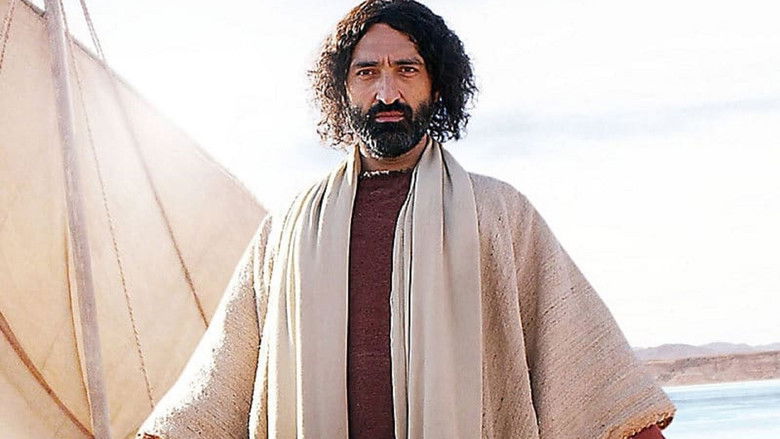

BIBLE FILM GUIDE
The Gospel of Mark
Film · 2015 · 120 min
A film that brings the Gospel of Mark to the screen by using the biblical text itself as the script, covering chapters 1 through 16.
What the story covers
The Gospel of Mark (2015) was produced by The Lumo Project and uses the Gospel text as its script, word for word. Informed by leading theological, historical and archaeological research on first-century Palestine, the film aims to present the Jesus narrative in a way that lets viewers experience the story directly from the biblical text.
In the Bible, the story of Jesus according to Mark is found in the Gospel of Mark, chapters 1 through 16. It opens with the ministry of John the Baptist and Jesus’ baptism, moves through his Galilean ministry, journey toward Jerusalem, crucifixion and resurrection, and is traditionally linked to the figure of Mark, with Peter named among the disciples featured in the narrative.
Where it is in the Bible
- Mark 1:1-12This passage opens the Gospel: the title ‘the gospel of Jesus Christ, the Son of God,’ a citation from Isaiah promising a messenger who will prepare the way, the appearance of John baptizing in the wilderness (clad in camel’s hair, with a leathern girdle, eating locusts and wild honey), Jesus’ own baptism in the Jordan, the Spirit descending on him like a dove, the heavenly voice ‘Thou art my beloved Son, in thee I am well pleased,’ and the Spirit driving Jesus into the wilderness. For this film, it is the entry point of the word-for-word script.
How it differs from the Bible
Because the film is described as using the Gospel text as its script word for word, the main thing to watch for is how a strictly visual medium handles material that was written to be read and heard. Mark 1:1–12, for example, opens with a literary framing — a citation from Isaiah — before moving into narrative. Notice how the film treats these openings, transitions, and summary lines that the Gospel uses to move quickly between episodes.
Viewers may also notice that the overview highlights the work of historical and archaeological advisors on first-century Palestine. Compare what you see on screen to the details given in the passage itself — clothing (John is described as clothed with camel's hair, with a leathern girdle about his loins, and eating locusts and wild honey), the Jordan as the location of baptisms, and the wilderness as the setting to which Jesus is driven. The film’s task is to picture what the text only names.
Discussion questions
- 1
How does a word-for-word Gospel film differ from a dramatised adaptation?
The overview says this film uses the Gospel text as its script word for word, rather than expanding or dramatising it; see how Mark 1:1–12 mixes a literary opening (‘Even as it is written in Isaiah the prophet…’) with brief narrative summary, and notice whether the film keeps that texture or fills it out.
- 2
What should we watch for in the opening chapters?
Look at how the film sets the stage from Mark 1:1–12: John’s appearance and clothing in the wilderness, the crowds confessing their sins at the Jordan, Jesus’ baptism, the descent of the Spirit, and the Spirit driving him into the wilderness — all packed into a short opening.
- 3
Why is Mark 1:1–12 a good passage to read alongside the film?
It contains the Gospel’s opening claim (‘The beginning of the gospel of Jesus Christ, the Son of God’), introduces John the Baptist and Jesus’ baptism, and ends with Jesus being driven into the wilderness — a hinge between the opening and the rest of Mark 1–16 that the film portrays.
Where to watch
Availability is for Canada and changes over time — check the platform before watching. TMDb ↗
Reflections on Mark
After watching, read the passage itself — you will find details no film has time to show.