章节研读
出埃及记 13 —— 长子的圣别与旅程的开始
第十三章将两种礼仪——长子的奉献与逾越节/无酵节——系于神将以色列领出埃及的事件之上,随后描绘以色列在云柱火柱之下前行。
经文
- 1.耶 和 華 曉 諭 摩 西 說 :And Jehovah spake unto Moses, saying,
- 2.以 色 列 中 凡 頭 生 的 , 無 論 是 人 是 牲 畜 , 都 是 我 的 , 要 分 別 為 聖 歸 我 。Sanctify unto me all the first-born, whatsoever openeth the womb among the children of Israel, both of man and of beast: it is mine.
- 3.摩 西 對 百 姓 說 : 你 們 要 記 念 從 埃 及 為 奴 之 家 出 來 的 這 日 , 因 為 耶 和 華 用 大 能 的 手 將 你 們 從 這 地 方 領 出 來 。 有 酵 的 餅 都 不 可 吃 。And Moses said unto the people, Remember this day, in which ye came out from Egypt, out of the house of bondage; for by strength of hand Jehovah brought you out from this place: there shall no leavened bread be eaten.
- 4.亞 筆 月 間 的 這 日 是 你 們 出 來 的 日 子 。This day ye go forth in the month Abib.
- 5.將 來 耶 和 華 領 你 進 迦 南 人 、 赫 人 、 亞 摩 利 人 、 希 未 人 、 耶 布 斯 人 之 地 , 就 是 他 向 你 的 祖 宗 起 誓 應 許 給 你 那 流 奶 與 蜜 之 地 , 那 時 你 要 在 這 月 間 守 這 禮 。And it shall be, when Jehovah shall bring thee into the land of the Canaanite, and the Hittite, and the Amorite, and the Hivite, and the Jebusite, which he sware unto thy fathers to give thee, a land flowing with milk and honey, that thou shalt keep this service in this month.
- 6.你 要 吃 無 酵 餅 七 日 , 到 第 七 日 要 向 耶 和 華 守 節 。Seven days thou shalt eat unleavened bread, and in the seventh day shall be a feast to Jehovah.
- 7.這 七 日 之 久 , 要 吃 無 酵 餅 ; 在 你 四 境 之 內 不 可 見 有 酵 的 餅 , 也 不 可 見 發 酵 的 物 。Unleavened bread shall be eaten throughout the seven days; and there shall no leavened bread be seen with thee, neither shall there be leaven seen with thee, in all thy borders.
- 8.當 那 日 , 你 要 告 訴 你 的 兒 子 說 : 這 是 因 耶 和 華 在 我 出 埃 及 的 時 候 為 我 所 行 的 事 。And thou shalt tell thy son in that day, saying, It is because of that which Jehovah did for me when I came forth out of Egypt.
- 9.這 要 在 你 手 上 作 記 號 , 在 你 額 上 作 紀 念 , 使 耶 和 華 的 律 法 常 在 你 口 中 , 因 為 耶 和 華 曾 用 大 能 的 手 將 你 從 埃 及 領 出 來 。And it shall be for a sign unto thee upon thy hand, and for a memorial between thine eyes, that the law of Jehovah may be in thy mouth: for with a strong hand hath Jehovah brought thee out of Egypt.
- 10.所 以 你 每 年 要 按 著 日 期 守 這 例 。Thou shalt therefore keep this ordinance in its season from year to year.
- 11.將 來 , 耶 和 華 照 他 向 你 和 你 祖 宗 所 起 的 誓 將 你 領 進 迦 南 人 之 地 , 把 這 地 賜 給 你 ,And it shall be, when Jehovah shall bring thee into the land of the Canaanite, as he sware unto thee and to thy fathers, and shall give it thee,
- 12.那 時 你 要 將 一 切 頭 生 的 , 並 牲 畜 中 頭 生 的 , 歸 給 耶 和 華 ; 公 的 都 要 屬 耶 和 華 。that thou shalt set apart unto Jehovah all that openeth the womb, and every firstling which thou hast that cometh of a beast; the males shall be Jehovah's.
- 13.凡 頭 生 的 驢 , 你 要 用 羊 羔 代 贖 ; 若 不 代 贖 , 就 要 打 折 他 的 頸 項 。 凡 你 兒 子 中 頭 生 的 都 要 贖 出 來 。And every firstling of an ass thou shalt redeem with a lamb; and if thou wilt not redeem it, then thou shalt break its neck: and all the first-born of man among thy sons shalt thou redeem.
- 14.日 後 , 你 的 兒 子 問 你 說 : 這 是 甚 麼 意 思 ? 你 就 說 : 耶 和 華 用 大 能 的 手 將 我 們 從 埃 及 為 奴 之 家 領 出 來 。And it shall be, when thy son asketh thee in time to come, saying, What is this? that thou shalt say unto him, By strength of hand Jehovah brought us out from Egypt, from the house of bondage:
- 15.那 時 法 老 幾 乎 不 容 我 們 去 , 耶 和 華 就 把 埃 及 地 所 有 頭 生 的 , 無 論 是 人 是 牲 畜 , 都 殺 了 。 因 此 , 我 把 一 切 頭 生 的 公 牲 畜 獻 給 耶 和 華 為 祭 , 但 將 頭 生 的 兒 子 都 贖 出 來 。and it came to pass, when Pharaoh would hardly let us go, that Jehovah slew all the first-born in the land of Egypt, both the first-born of man, and the first-born of beast: therefore I sacrifice to Jehovah all that openeth the womb, being males; but all the first-born of my sons I redeem.
- 16.這 要 在 你 手 上 作 記 號 , 在 你 額 上 作 經 文 , 因 為 耶 和 華 用 大 能 的 手 將 我 們 從 埃 及 領 出 來 。And it shall be for a sign upon thy hand, and for frontlets between thine eyes: for by strength of hand Jehovah brought us forth out of Egypt.
- 17.法 老 容 百 姓 去 的 時 候 , 非 利 士 地 的 道 路 雖 近 , 神 卻 不 領 他 們 從 那 裡 走 ; 因 為 神 說 : 恐 怕 百 姓 遇 見 打 仗 後 悔 , 就 回 埃 及 去 。And it came to pass, when Pharaoh had let the people go, that God led them not by the way of the land of the Philistines, although that was near; for God said, Lest peradventure the people repent when they see war, and they return to Egypt:
- 18.所 以 神 領 百 姓 繞 道 而 行 , 走 紅 海 曠 野 的 路 。 以 色 列 人 出 埃 及 地 , 都 帶 著 兵 器 上 去 。but God led the people about, by the way of the wilderness by the Red Sea: and the children of Israel went up armed out of the land of Egypt.
- 19.摩 西 把 約 瑟 的 骸 骨 一 同 帶 去 ; 因 為 約 瑟 曾 叫 以 色 列 人 嚴 嚴 地 起 誓 , 對 他 們 說 : 神 必 眷 顧 你 們 , 你 們 要 把 我 的 骸 骨 從 這 裡 一 同 帶 上 去 。And Moses took the bones of Joseph with him: for he had straitly sworn the children of Israel, saying, God will surely visit you; and ye shall carry up my bones away hence with you.
- 20.他 們 從 疏 割 起 行 , 在 曠 野 邊 的 以 倘 安 營 。And they took their journey from Succoth, and encamped in Etham, in the edge of the wilderness.
- 21.日 間 , 耶 和 華 在 雲 柱 中 領 他 們 的 路 ; 夜 間 , 在 火 柱 中 光 照 他 們 , 使 他 們 日 夜 都 可 以 行 走 。And Jehovah went before them by day in a pillar of cloud, to lead them the way, and by night in a pillar of fire, to give them light; that they might go by day and by night:
- 22.日 間 雲 柱 , 夜 間 火 柱 , 總 不 離 開 百 姓 的 面 前 。the pillar of cloud by day, and the pillar of fire by night, departed not from before the people.
这段经文的意思
本章以一项神圣的宣告开篇:凡母胎所生的长子、长子牲畜都归属耶和华(第 2 节)。因为祂击杀了埃及的长子、保留了以色列的长子,长子便成为救赎之永久纪念。此处的圣化并非道德上的纯洁,而是归属权的转移——这些生命与牲畜被分别为圣,归于耶和华的领域。
为期七天的无酵节与同一救赎事件相连(第 3–10 节)。无酵之禁、向儿女解释缘由(第 8、14 节),以及手上前额上的实物标记(第 9、16 节),皆使历法本身成为教导的媒介。"大能的手"这一主题反复出现,作为其神学动力:此节设立之根据在于神的作为,而非以色列自创之仪式。
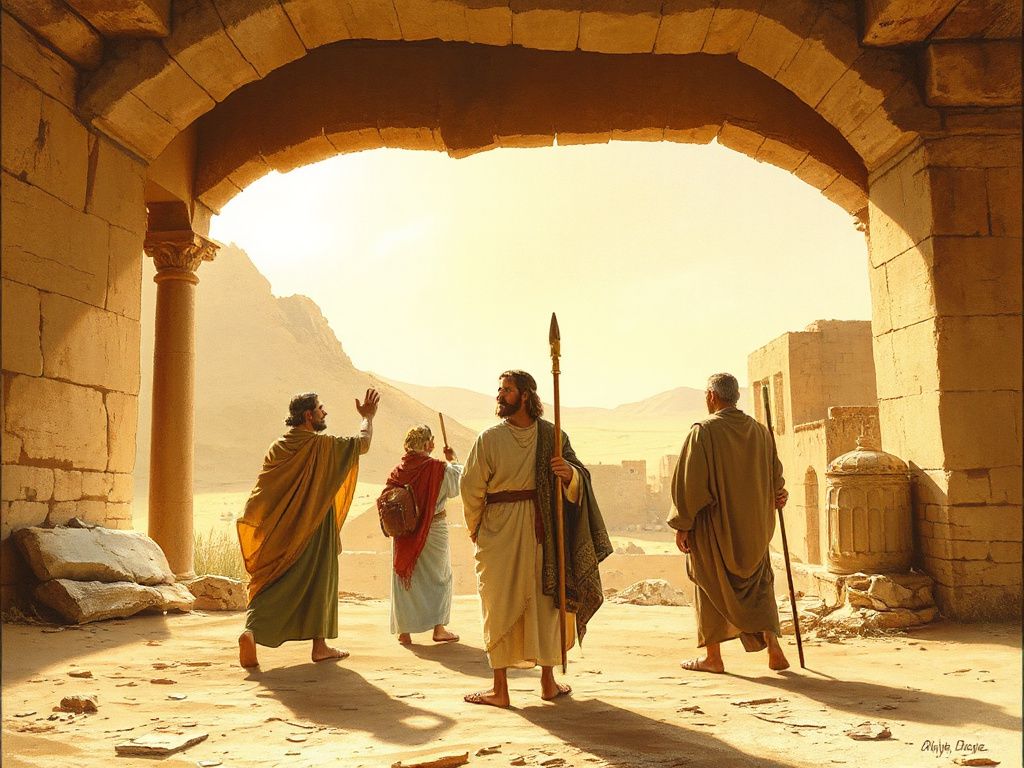
后半章叙述出离本身。神引导以色列绕道旷野而行(第 18 节),免得他们因惧怕战争而退回埃及。摩西携约瑟的骸骨同行(第 19 节),成全昔日所立之誓;白日的云柱与夜间的火柱(第 21–22 节)成为以色列可见的引导——这一持续不断的神圣临在,构成了其后旷野漂泊的框架。
背景
本章紧随逾越之夜(出埃及记 12),处于十灾叙事与旷野旅程之间的枢纽位置。若无第十三章,击杀长子之事只会被记念为审判;有了本章,同一事件便成为两项恒常制度的基础——长子归圣殿之权利与每年一度的无酵节。
结尾数节(17–22 节)构成地理与神学上的桥梁。绕道红海旷野、约瑟骸骨的安葬(此线索可上溯至创世记 50:25,虽未列入所引经文),以及昼夜不息的云柱火柱,为读者预备了前方的章节:以色列将在同一可见临在之下,向西奈进发。
原文关键词
- H1060 bəḵôr,长子。本章第 2 节兼指人与牲畜,指"开母胎而生者"。在本章中,长子的身份乃是以色列救赎之可见印记——其代价乃是埃及长子的性命。
- H6942 qādaš,使成圣/分别为圣。命令将长子分别为圣(第 2 节)并非在道德上洁净他们,而是将他们转移归神所有。此动词兼及人与牲畜,在神的所有权之下建立同一类别。
- H2142 zākar,记念。摩西命令百姓"记念这一日"(第 3 节),使日历上的日期本身成为告白之举。此记念并非怀旧,而是对"此节因神大能之手而设立"之事的重新承认。
相关经文
- Numbers 3:13 民数记 3:13 重述出埃及记 13:2 同一宣告——因神击杀埃及长子时已将其长子分别为己有,故所有长子皆归耶和华。两处经文共同表明,此原则延续至下一代。
- Deuteronomy 6:12 申命记 6:12 呼应第 8–9、14–16 节的警告:手上前额的标记之设,正为免得以色列忘记那领他们出埃及的神。"免得忘记"的框架,使记念成为契约中的本分。
- Luke 2:23 路加福音 2:23 援引出埃及记 13:2 同一律法公式——"凡开母胎的男丁,必被称为圣归给主"。约瑟与马利亚将婴孩耶稣献上,正应验了出埃及记 13 所启动的律法。
常见问题
为何长子被特别指定分别为圣?
因本章将此律法根植于逾越事件:神击杀埃及所有的长子,保留了以色列的长子,故长子归属于祂,作为那救赎之活的纪念(第 2、14–15 节)。
无酵饼与出埃及有何关系?
七日食用无酵饼与以色列离开埃及之夜直接相关——在其境内不可见到一点酵(第 6–7 节)。此节之设,正因为耶和华"向你们所行的事"——领他们出来之时(第 8 节),使饼本身成为出埃及的教导者。
为何神引导以色列走较长的旷野路线,而非较短的非利士大道?
经文解释:神恐怕百姓"若遇战争就后悔,回转回埃及去"(第 17 节)。旷野中的绕行并非地理上的失误,而是针对以色列旅程之初软弱而作的牧养性决定。