BIBLE FILM GUIDE
Exodus: Gods and Kings
Film · 2014 · 150 min
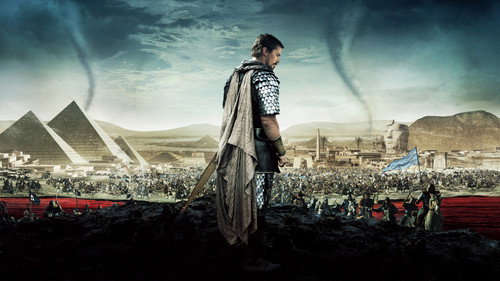
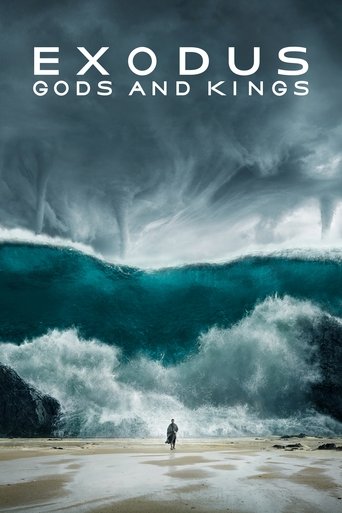
The 2014 film Exodus: Gods and Kings dramatizes Moses's confrontation with Pharaoh Ramses and the liberation of Hebrew slaves from Egypt through a series of plagues.
What the story covers
The overview describes the film as following the defiant figure Moses against the Egyptian Pharaoh Ramses, centered on the journey of 400,000 slaves out of Egypt and a terrifying cycle of deadly plagues. The Korean overview adds that Moses and Ramses grew up close like brothers, that Moses witnessed the brutal life of the slaves, and that he encountered a mysterious boy during the journey east of Egypt before realizing his destiny to lead his people to freedom.
This story is drawn from the early chapters of the book of Exodus, covering the Israelites' enslavement in Egypt, the calling of Moses, the confrontation with Pharaoh, the plagues, and the departure of the Hebrew people. The figures listed for this film are Moses and Aaron, set within the Exodus 1–14 range provided.
Where it is in the Bible
- Exodus 3:14In this passage God identifies Himself to Moses as 'I AM THAT I AM' and instructs Moses to tell Israel that 'I AM' has sent him. It anchors the calling that drives Moses's confrontation with Pharaoh in the film.
- Exodus 12:13God establishes the blood on the doorposts as a token so that when He strikes Egypt the plague will pass over the marked houses. This Passover sign is central to the plagues sequence the overview describes.
- Exodus 14:14Moses assures the people that the Lord will fight for them while they remain silent. It frames the Exodus as a divine act of rescue, set against the film's depiction of Moses leading 400,000 people out of Egypt.
How it differs from the Bible
The overview states that the film shows Moses receiving his calling through an encounter with a mysterious boy during the journey east of Egypt, and depicts the plagues as a terrifying cycle. Viewers can compare these portrayals with Exodus 3–14, where the biblical text describes God speaking to Moses from a burning bush, sending him with a specific message to Pharaoh (Exodus 3:14), instituting the Passover with a covenant sign of blood on the doorposts (Exodus 12:13), and promising that the Lord Himself will fight while the people remain silent (Exodus 14:14).
The film also frames Ramses as Moses's foster brother, and presents him as one who believes himself the embodiment of the sun god Ra. Watchers may notice that the overview compresses events such as the hardening of Pharaoh's heart, the gathering of 400,000 people, and the final crossing — commonly dramatised in adaptations — and compare how the film weighs the human rivalry against the divine confrontation described in Exodus 1–14.
Discussion questions
- 1
How does the film present Moses's encounter with God compared to Exodus 3?
The overview says Moses meets a mysterious boy during the journey east of Egypt, whereas Exodus 3:14 records God speaking to Moses and declaring 'I AM THAT I AM' as the One who sends him.
- 2
What is the significance of the Passover sign shown in the plagues?
According to Exodus 12:13, the blood on the houses is the token by which God passes over the Israelites when He strikes the land of Egypt, sparing them from the destroying plague.
- 3
How is the departure from Egypt framed as an act of rescue in the text?
Exodus 14:14 records Moses telling the people that the Lord will fight for them while they hold their peace, presenting the Exodus as the Lord fighting on their behalf.
Where to watch
Availability is for Canada and changes over time — check the platform before watching. TMDb ↗
Reflections on Exodus
After watching, read the passage itself — you will find details no film has time to show.