章节研读
出埃及记33章:神的同在撤回与恢复
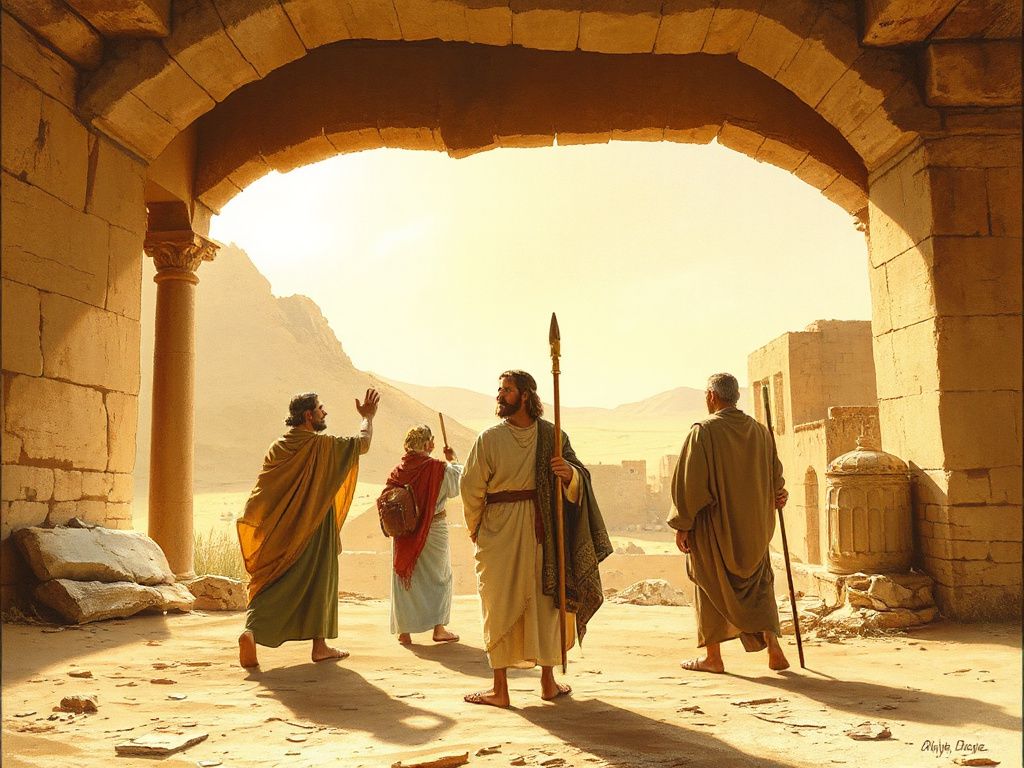
金牛犊事件过后,神提出要差遣天使同行,却不亲自同在;百姓因此哀哭,摩西在营外支搭会幕,并恳切祈求,直到神应许与他同在,并让他得见祂的荣耀。
经文
- 1.耶 和 華 吩 咐 摩 西 說 : 我 曾 起 誓 應 許 亞 伯 拉 罕 、 以 撒 、 雅 各 說 : 要 將 迦 南 地 賜 給 你 的 後 裔 。 現 在 你 和 你 從 埃 及 地 所 領 出 來 的 百 姓 , 要 從 這 裡 往 那 地 去 。And Jehovah spake unto Moses, Depart, go up hence, thou and the people that thou hast brought up out of the land of Egypt, unto the land of which I sware unto Abraham, to Isaac, and to Jacob, saying, Unto thy seed will I give it:
- 2.我 要 差 遣 使 者 在 你 前 面 , 攆 出 迦 南 人 、 亞 摩 利 人 、 赫 人 、 比 利 洗 人 、 希 未 人 、 耶 布 斯 人 ,and I will send an angel before thee; and I will drive out the Canaanite, the Amorite, and the Hittite, and the Perizzite, the Hivite, and the Jebusite:
- 3.領 你 到 那 流 奶 與 蜜 之 地 。 我 自 己 不 同 你 們 上 去 ; 因 為 你 們 是 硬 著 頸 項 的 百 姓 , 恐 怕 我 在 路 上 把 你 們 滅 絕 。unto a land flowing with milk and honey: for I will not go up in the midst of thee; for thou art a stiffnecked people; lest I consume thee in the way.
- 4.百 姓 聽 見 這 凶 信 就 悲 哀 , 也 沒 有 人 佩 戴 妝 飾 。And when the people heard these evil tidings, they mourned: and no man did put on him his ornaments.
- 5.耶 和 華 對 摩 西 說 : 你 告 訴 以 色 列 人 說 : 耶 和 華 說 : 你 們 是 硬 著 頸 項 的 百 姓 , 我 若 一 霎 時 臨 到 你 們 中 間 , 必 滅 絕 你 們 。 現 在 你 們 要 把 身 上 的 妝 飾 摘 下 來 , 使 我 可 以 知 道 怎 樣 待 你 們And Jehovah said unto Moses, Say unto the children of Israel, Ye are a stiffnecked people; if I go up into the midst of thee for one moment, I shall consume thee: therefore now put off thy ornaments from thee, that I may know what to do unto thee.
- 6.以 色 列 人 從 住 何 烈 山 以 後 , 就 把 身 上 的 妝 飾 摘 得 乾 淨 。And the children of Israel stripped themselves of their ornaments from mount Horeb onward.
- 7.摩 西 素 常 將 帳 棚 支 搭 在 營 外 , 離 營 卻 遠 , 他 稱 這 帳 棚 為 會 幕 。 凡 求 問 耶 和 華 的 , 就 到 營 外 的 會 幕 那 裡 去 。Now Moses used to take the tent and to pitch it without the camp, afar off from the camp; and he called it, The tent of meeting. And it came to pass, that every one that sought Jehovah went out unto the tent of meeting, which was without the camp.
- 8.當 摩 西 出 營 到 會 幕 去 的 時 候 , 百 姓 就 都 起 來 , 各 人 站 在 自 己 帳 棚 的 門 口 , 望 著 摩 西 , 直 等 到 他 進 了 會 幕 。And it came to pass, when Moses went out unto the Tent, that all the people rose up, and stood, every man at his tent door, and looked after Moses, until he was gone into the Tent.
- 9.摩 西 進 會 幕 的 時 候 , 雲 柱 降 下 來 , 立 在 會 幕 的 門 前 , 耶 和 華 便 與 摩 西 說 話 。And it came to pass, when Moses entered into the Tent, the pillar of cloud descended, and stood at the door of the Tent: and Jehovah spake with Moses.
- 10.眾 百 姓 看 見 雲 柱 立 在 會 幕 門 前 , 就 都 起 來 , 各 人 在 自 己 帳 棚 的 門 口 下 拜 。And all the people saw the pillar of cloud stand at the door of the Tent: and all the people rose up and worshipped, every man at his tent door.
- 11.耶 和 華 與 摩 西 面 對 面 說 話 , 好 像 人 與 朋 友 說 話 一 般 。 摩 西 轉 到 營 裡 去 , 惟 有 他 的 幫 手 ─ 一 個 少 年 人 嫩 的 兒 子 約 書 亞 不 離 開 會 幕 。And Jehovah spake unto Moses face to face, as a man speaketh unto his friend. And he turned again into the camp: but his minister Joshua, the son of Nun, a young man, departed not out of the Tent.
- 12.摩 西 對 耶 和 華 說 : 你 吩 咐 我 說 : 將 這 百 姓 領 上 去 , 卻 沒 有 叫 我 知 道 你 要 打 發 誰 與 我 同 去 , 只 說 : 我 按 你 的 名 認 識 你 , 你 在 我 眼 前 也 蒙 了 恩 。And Moses said unto Jehovah, See, thou sayest unto me, Bring up this people: and thou hast not let me know whom thou wilt send with me. Yet thou hast said, I know thee by name, and thou hast also found favor in my sight.
- 13.我 如 今 若 在 你 眼 前 蒙 恩 , 求 你 將 你 的 道 指 示 我 , 使 我 可 以 認 識 你 , 好 在 你 眼 前 蒙 恩 。 求 你 想 到 這 民 是 你 的 民 。Now therefore, I pray thee, if I have found favor in thy sight, show me now thy ways, that I may know thee, to the end that I may find favor in thy sight: and consider that this nation is thy people.
- 14.耶 和 華 說 : 我 必 親 自 和 你 同 去 , 使 你 得 安 息 。And he said, My presence shall go with thee, and I will give thee rest.
- 15.摩 西 說 : 你 若 不 親 自 和 我 同 去 , 就 不 要 把 我 們 從 這 裡 領 上 去 。And he said unto him, If thy presence go not with me, carry us not up hence.
- 16.人 在 何 事 上 得 以 知 道 我 和 你 的 百 姓 在 你 眼 前 蒙 恩 呢 ? 豈 不 是 因 你 與 我 們 同 去 、 使 我 和 你 的 百 姓 與 地 上 的 萬 民 有 分 別 麼 ?For wherein now shall it be known that I have found favor in thy sight, I and thy people? is it not in that thou goest with us, so that we are separated, I and thy people, from all the people that are upon the face of the earth?
- 17.耶 和 華 對 摩 西 說 : 你 這 所 求 的 我 也 要 行 ; 因 為 你 在 我 眼 前 蒙 了 恩 , 並 且 我 按 你 的 名 認 識 你 。And Jehovah said unto Moses, I will do this thing also that thou hast spoken; for thou hast found favor in my sight, and I know thee by name.
- 18.摩 西 說 : 求 你 顯 出 你 的 榮 耀 給 我 看 。And he said, Show me, I pray thee, thy glory.
- 19.耶 和 華 說 : 我 要 顯 我 一 切 的 恩 慈 , 在 你 面 前 經 過 , 宣 告 我 的 名 。 我 要 恩 待 誰 就 恩 待 誰 ; 要 憐 憫 誰 就 憐 憫 誰 ;And he said, I will make all my goodness pass before thee, and will proclaim the name of Jehovah before thee; and I will be gracious to whom I will be gracious, and will show mercy on whom I will show mercy.
- 20.又 說 : 你 不 能 看 見 我 的 面 , 因 為 人 見 我 的 面 不 能 存 活 。And he said, Thou canst not see my face; for man shall not see me and live.
- 21.耶 和 華 說 : 看 哪 , 在 我 這 裡 有 地 方 , 你 要 站 在 磐 石 上 。And Jehovah said, Behold, there is a place by me, and thou shalt stand upon the rock:
- 22.我 的 榮 耀 經 過 的 時 候 , 我 必 將 你 放 在 磐 石 穴 中 , 用 我 的 手 遮 掩 你 , 等 我 過 去 ,and it shall come to pass, while my glory passeth by, that I will put thee in a cleft of the rock, and will cover thee with my hand until I have passed by:
- 23.然 後 我 要 將 我 的 手 收 回 , 你 就 得 見 我 的 背 , 卻 不 得 見 我 的 面 。and I will take away my hand, and thou shalt see my back; but my face shall not be seen.
这段经文的意思
1至6节以一个有条件的撤回为本章奠定框架:神将成就向列祖所起的应许,赶出迦南地的居民(1-2节),但祂不会亲自与以色列同行,因为他们是『硬着颈项的百姓』,恐怕在路上就把他们灭绝(3、5节)。百姓的回应并非借着哀哭的礼仪悔改,而是『从何烈山起将身上的妆饰摘除』(4、6节),标志着这是一种持续而非短暂的与神疏离的认知。
7至11节显示摩西在调停这一鸿沟。他『在营外』支搭『会幕』,每当他进入,云柱就降在会幕门口,『耶和华与摩西面对面说话』(8-9节)。用词极为惊人:『面对面说话,好像人与朋友说话一般』(11节)。约书亚作为『他的侍从』留守会幕,锚定了一种持续可得亲近的模式,这模式走在后来的帐幕之先。
12至23节是摩西的谈判。他坚持认为一位无名『天使』不够,恳求神『将你的道指示我』(13节;参15-16节)。神让步说:『我的同在必亲自和你同去,且赐你安息』(14节)。随后摩西求神的荣耀(18节)。神宣告祂的名,宣告祂怜悯的自由(19节),并容许摩西从磐石穴中看见祂的『背』,却遮蔽他不见祂的『面』(20-23节)。本章以亲密的同在被赐予、却仍受局限的异象作结。
背景
本章承接金牛犊的悖逆事件(出埃及记32章)。由于所提供资料中的context_before与context_after字段均为空,本处的解读依赖本章自身的内在脉络:百姓的哀哭(4节)和『从何烈山起将身上的妆饰摘除』(6节)预设了一段文本本身并未重述的先前破裂。本章中两个结构性的标记将有条件的地土应许(1-3节)与摩西的调停(7-23节)分隔开来:帐幕『在营外,远离之处』的迁移(7节),以及云柱降下时百姓起来敬拜(10节)。
所提供cross_references的资料将本章的词汇向外延伸:『我必赐你安息』(14节)与约书亚记21:44、约书亚记22:4、诗篇95:11及希伯来书4:8相互对照,在那里『安息』成为一个超越旷野的神学范畴;『口对口说话』呼应民数记12:8;『他面前的使者拯救他们』(以赛亚书63:9)与2节所提供的天使和14节所确保的同在之间的对比相平行;『我要怜悯谁就怜悯谁』(19节)则在罗马书9:15、18中被引用。
原文关键词
相关经文
- Numbers 12:8 出埃及记33:11说耶和华与摩西『面对面说话,好像人与朋友说话一般』,民数记12:8则进一步显明这一特权:『口对口……明说,不用比喻』。两处经文共同将摩西的亲近与一般先知的调停区分开来。
- Isaiah 63:9 以赛亚书63:9称『他面前的使者』是那位拯救以色列者。出埃及记33:2神提议差遣一位无名天使,随后在14节应许祂自己的同在;以赛亚书这段话在回顾中阐明了摩西拒绝那较小选项时所攸关的是什么。
- Romans 9:15 神在出埃及记33:19的宣告:『我要恩待谁,就恩待谁;要怜悯谁,就怜悯谁』,几乎逐字地被罗马书9:15引用,以支撑保罗的论点:神的怜悯并不因人的努力或族裔而耗尽,而是神主权的特权。
常见问题
为什么神在同一章里既说祂不与以色列同去(3节),又说祂会同去(14节)?
本章将两者都呈现为神的话语,而非矛盾。1至6节设定一个有条件的立场:地土的应许仍然成立,但亲密的同在被收回,因为以色列是『硬着颈项的』。12至23节记载摩西的代求,此后神赐予了祂先前所保留的。结构是:宣告疏离→代求调解→同在的恢复,并非神性情的逆转。
出埃及记33:7中的『会幕』与后来出埃及记35至40章所建造的帐幕是什么关系?
出埃及记33:7-11描述了一座摩西『在营外』支搭的临时帐幕,摩西进入时云柱就降下。所提供资料并未将此帐幕等同于后来各章所建造的帐幕;它只显示已经存在一个由约书亚看守的、与耶和华相遇的外在场所。二者究竟是同一还是相异,是所提供文本未能解答的问题。
摩西见了神的『背』却未见祂的『面』(20、23节),这意味着什么?
经文使用空间语言来表达神学上的限制。『面』代表神完全的自我启示,此处宣告人若目睹必致灭亡(20节)。『背』象征神经过之后所留下的:余晖、踪迹、被容许的残余。神将摩西安置在『磐石穴』中,用祂的手『遮蔽』他(22节),正是借着限制这相遇而允许与他荣耀的相遇。所提供original_words列表并未包含20至23节中这些希伯来用词,因此本说明仅依据经文本身。