章节研读
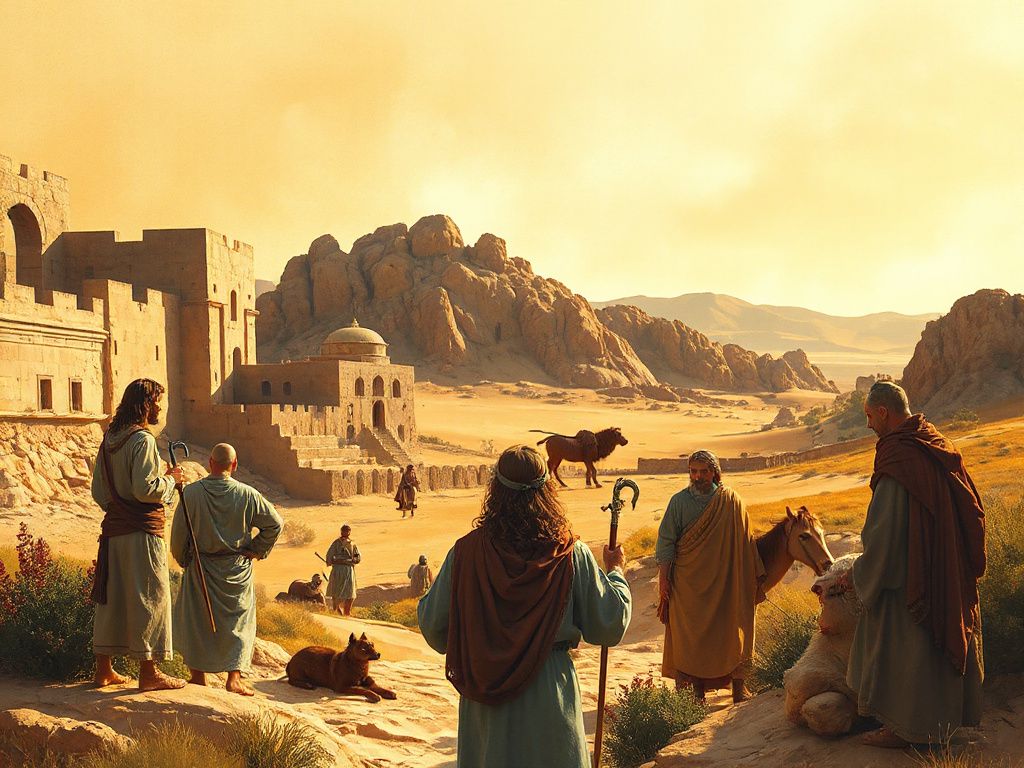
创世记16章——夏甲、以实玛利与那一位看见的神
撒莱将她埃及的婢女夏甲给亚伯兰;夏甲怀孕后,冲突迫使夏甲逃入旷野,在那里耶和华的使者应许她后裔极其繁多,夏甲便称神为“那一位看见者”。
经文
- 1.亞 伯 蘭 的 妻 子 撒 萊 不 給 他 生 兒 女 。 撒 萊 有 一 個 使 女 , 名 叫 夏 甲 , 是 埃 及 人 。Now Sarai, Abram's wife, bare him no children: and she had a handmaid, an Egyptian, whose name was Hagar.
- 2.撒 萊 對 亞 伯 蘭 說 : 耶 和 華 使 我 不 能 生 育 。 求 你 和 我 的 使 女 同 房 , 或 者 我 可 以 因 他 得 孩 子 ( 原 文 作 被 建 立 ) 。 亞 伯 蘭 聽 從 了 撒 萊 的 話 。And Sarai said unto Abram, Behold now, Jehovah hath restrained me from bearing; go in, I pray thee, unto my handmaid; it may be that I shall obtain children by her. And Abram hearkened to the voice of Sarai.
- 3.於 是 亞 伯 蘭 的 妻 子 撒 萊 將 使 女 埃 及 人 夏 甲 給 了 丈 夫 為 妾 ; 那 時 亞 伯 蘭 在 迦 南 已 經 住 了 十 年 。And Sarai, Abram's wife, took Hagar the Egyptian, her handmaid, after Abram had dwelt ten years in the land of Canaan, and gave her to Abram her husband to be his wife.
- 4.亞 伯 蘭 與 夏 甲 同 房 , 夏 甲 就 懷 了 孕 ; 他 見 自 己 有 孕 , 就 小 看 他 的 主 母 。And he went in unto Hagar, and she conceived: and when she saw that she had conceived, her mistress was despised in her eyes.
- 5.撒 萊 對 亞 伯 蘭 說 : 我 因 你 受 屈 。 我 將 我 的 使 女 放 在 你 懷 中 , 他 見 自 己 有 了 孕 , 就 小 看 我 。 願 耶 和 華 在 你 我 中 間 判 斷 。And Sarai said unto Abram, My wrong be upon thee: I gave my handmaid into thy bosom; and when she saw that she had conceived, I was despised in her eyes: Jehovah judge between me and thee.
- 6.亞 伯 蘭 對 撒 萊 說 : 使 女 在 你 手 下 , 你 可 以 隨 意 待 他 。 撒 萊 苦 待 他 , 他 就 從 撒 萊 面 前 逃 走 了 。But Abram said unto Sarai, Behold, thy maid is in thy hand; do to her that which is good in thine eyes. And Sarai dealt hardly with her, and she fled from her face.
- 7.耶 和 華 的 使 者 在 曠 野 書 珥 路 上 的 水 泉 旁 遇 見 他 ,And the angel of Jehovah found her by a fountain of water in the wilderness, by the fountain in the way to Shur.
- 8.對 他 說 : 撒 萊 的 使 女 夏 甲 , 你 從 那 裡 來 ? 要 往 那 裡 去 ? 夏 甲 說 : 我 從 我 的 主 母 撒 萊 面 前 逃 出 來 。And he said, Hagar, Sarai's handmaid, whence camest thou? and whither goest thou? And she said, I am fleeing from the face of my mistress Sarai.
- 9.耶 和 華 的 使 者 對 他 說 : 你 回 到 你 主 母 那 裡 , 服 在 他 手 下 ;And the angel of Jehovah said unto her, Return to thy mistress, and submit thyself under her hands.
- 10.又 說 : 我 必 使 你 的 後 裔 極 其 繁 多 , 甚 至 不 可 勝 數 ;And the angel of Jehovah said unto her, I will greatly multiply thy seed, that it shall not be numbered for multitude.
- 11.並 說 : 你 如 今 懷 孕 要 生 一 個 兒 子 , 可 以 給 他 起 名 叫 以 實 瑪 利 , 因 為 耶 和 華 聽 見 了 你 的 苦 情 。 ( 以 實 瑪 利 就 是 神 聽 見 的 意 思 )And the angel of Jehovah said unto her, Behold, thou art with child, and shalt bear a son; and thou shalt call his name Ishmael, because Jehovah hath heard thy affliction.
- 12.他 為 人 必 像 野 驢 。 他 的 手 要 攻 打 人 , 人 的 手 也 要 攻 打 他 ; 他 必 住 在 眾 弟 兄 的 東 邊 。And he shall be as a wild ass among men; his hand shall be against every man, and every man's hand against him; and he shall dwell over against all his brethren.
- 13.夏 甲 就 稱 那 對 他 說 話 的 耶 和 華 為 看 顧 人 的 神 。 因 而 說 : 在 這 裡 我 也 看 見 那 看 顧 我 的 麼 ?And she called the name of Jehovah that spake unto her, Thou art a God that seeth: for she said, Have I even here looked after him that seeth me?
- 14.所 以 這 井 名 叫 庇 耳 拉 海 萊 。 這 井 正 在 加 低 斯 和 巴 列 中 間 。Wherefore the well was called Beer-lahai-roi; behold, it is between Kadesh and Bered.
- 15.後 來 夏 甲 給 亞 伯 蘭 生 了 一 個 兒 子 ; 亞 伯 蘭 給 他 起 名 叫 以 實 瑪 利 。And Hagar bare Abram a son: and Abram called the name of his son, whom Hagar bare, Ishmael.
- 16.夏 甲 給 亞 伯 蘭 生 以 實 瑪 利 的 時 候 , 亞 伯 蘭 年 八 十 六 歲 。And Abram was fourscore and six years old, when Hagar bare Ishmael to Abram.
这段经文的意思
创世记16章是圣经中第一处明确将应许之子视为需要人为制造的例子。撒莱将自己的计划说成是对耶和华的顺服,因她认为神‘使我不能生育’(创16:2),亚伯兰也‘听从撒莱的声音’(创16:2)。叙事对这一计谋带有同情的笔触,足以来记述而未加以编辑性的肯定,但随后撒莱与夏甲之间的冲突(创16:5–6)表明,凭人意行事会带来后果。因此叙事揭示了一种反复出现的张力:无条件应许的领受者,当如何与等候应许所需的耐心相处?
本章后半部分将镜头转向埃及婢女夏甲。一位天使的使者‘在旷野的水泉旁’遇见她(创16:7),询问她的来历与去处,并给她两重的使命:‘你回到你主母那里,俯伏在她手下’(创16:9),以及‘我必使你的后裔极其繁多’(创16:10)。将要出生的孩子被命名为以实玛利,因为‘耶和华听见了你的苦情’(创16:11)。夏甲的苦情被命名、被听见,并在孩子的命定被描述之前就得着了回应。因此本章是创世记中第一个在约的血统之外——具体而言是一位外邦出生的婢女——领受独立的神谕并得到神个人名号的地方。
夏甲以她所能给出的唯一神学回应说:‘她称那对她说话的耶和华名为“你是那看见的神”’(创16:13)。那口井被命名为庇耳拉海莱,意为‘那看顾我的永活者之井’(创16:14),以纪念此次相遇。这是本章的转折点:通过人意之举产生以实玛利的家谱,同时也是神在其中显明自己为那看见苦情之神的家谱。经文并未认可这种手段,只记述了在混乱之中神仍然同在。
背景
创世记16章在本卷所列经文范围内是自成一体的。本章以一个十年的标记开篇——‘亚伯兰在迦南地住了十年’(创16:3),表明这对夫妇对所应许后裔的长久等候。本章以一段精确的传记式记载结束:‘亚伯兰年八十六岁,夏甲为亚伯兰生以实玛利’(创16:16)。在这两个括号之间,叙事在家室之内的冲突与旷野中的神圣相遇之间交替展开。
从结构上看,本章分为两个段落。1至6节呈现人的主动作为:撒莱的提议、亚伯兰的顺从、夏甲的受孕,以及由此而来的虐待迫使夏甲逃亡。7至14节呈现神的回应:使者在寻见夏甲时对她所说的话、不可胜数的后裔之应许、以实玛利品性的预言,以及夏甲对神之名的告白。15至16节回归家谱记录,完成了年代顺序。本章所提供的注释除标题之外并未添加额外的解释内容。
原文关键词
- H8198 希伯来文šip̄ḥāh,译为‘婢女’(创16:1)。其词根指的是属于家中的女奴;此处正是撒莱对亚伯兰说‘求你进到我使女那里’(创16:2)时所提供的正式身份。同一个词也出现在夏甲的自我称述‘我是在我主母撒莱面前逃出来的’(创16:8)中,而使者也以‘夏甲、撒莱的使女’(创16:8)称呼她,使该词在本章中成为她法律身份的恒定标记。
- H6113 希伯来文ʿāṣar,在短语‘耶和华使我不能生育’(创16:2)中译为‘拦阻’。其词根意为阻止或封闭;此处撒莱将她闭合的子宫视为耶和华所加的拦阻,这成为她将夏甲交给亚伯兰的神学理由。
- H3068 希伯来文YHWH,盟约之名,译为‘耶和华’(创16:2)。在本章中,此名首先由撒莱作为‘拦阻’她的那一位而提及,随后与那寻见夏甲的‘耶和华的使者’(创16:7)相联,最终由夏甲本人宣告为‘你是那看见的神’(创16:13)。本章因而显明YHWH在一场家室争端中行事,并通过他的天使使者向一位埃及婢女启示自己。
相关经文
- Genesis 17:19 创世记17:19是对创世记16章的纠正性对应。撒莱提议藉婢女为自己建立后嗣,而此节经文记述了神推翻了人的安排:‘你妻子撒莱必为你生一个儿子,你要给他起名叫以撒’。将17:19与16章并读,可见16章中使者对夏甲的应许并未取代原有的约的谱系,而是与之并行。
- Psalms 139:1 诗篇139:1——‘耶和华啊,你已经鉴察我,认识我’——与夏甲承认那对她说话的神是‘那看见的神’(创16:13)相呼应。两段经文都将神的观看与对个体境况的亲密认识相联,从旷野中的特定事件推向无人能隐藏在神目光之下的普世性宣告。
- Genesis 31:42 创世记31:42——‘神看见了我的苦情和我手的劳苦’——与夏甲的经历相呼应。两段经文都将神的看见与人的苦情相联,并都把这一告白放在一位在约之外的人口中:夏甲是埃及婢女,雅各是逃亡者。这种共同的语汇将庇耳拉海莱(创16:13–14)之处对神之名的命名,与后来在族长叙事中的一段追念联系起来。
常见问题
为什么撒莱在创世记16:5中归罪于亚伯兰?
夏甲怀孕后,‘她的主母在她眼中被轻视’(创16:4),撒莱便向亚伯兰诉说‘愿我受欺都归到你身上’(创16:5)。她的诉苦认定亚伯兰是接受她使女之人,但根本原因在于夏甲因能生育而产生的心态转变。撒莱将她地位的丧失视为一项法律上的冤屈,并求‘愿耶和华在你我中间判断’,将这场争端从主母与婢女之事转移为约内之事。
以实玛利所应许的后裔与以撒的约是相同的吗?
创世记16章并未将两者混同。使者对夏甲说‘我必使你的后裔极其繁多,甚至不可胜数’(创16:10),这是一项具有民族规模的应许。然而割礼之约与具体的应许谱系则在后来才被引入,并系于以撒而非以实玛利,创世记17:19即如此陈述。16章将以实玛利建立为他自身意义上的大民族,同时留下哪个谱系承载那有名号的约这一开放性。
庇耳拉海莱这个名字纪念的是什么?
这口井之所以被命名,是因为‘她称那对她说话的耶和华名为“你是那看见的神”’(创16:13)。创世记16:14说‘因此那井被称为庇耳拉海莱;看哪,它是在加低斯和巴列之间’。这个名字在旷野地理中固定下一个地点,在那里一位外邦婢女领受了一道神谕和神的一个个人名号,使这次相遇得以作为一处地标而非私人的记忆而被保留。