GUÍA DEL LIBRO BÍBLICO
Guía de 2 Samuel
24 capítulos en total
El surgimiento, la prueba y el establecimiento del pacto davídico, que muestra la fidelidad y la misericordia de Dios en la historia.
2 Samuel
Elige un capítulo
Elige un capítulo y se abrirá en la pestaña Capítulo actual. Vuelve aquí para elegir otro.
Por qué se escribió este libro
Continuando desde 1 Samuel, este libro registra el reinado de David. Escrito para Israel que emergía de la era de los jueces hacia una monarquía unificada, muestra que la dinastía de David se levanta o cae según la obediencia a Dios, y que el Señor cumple el pacto hecho por medio de Samuel, llamando a los lectores a la fidelidad al pacto.
Estructura por secciones
- 1–4El ascenso de David y su duelo
- 5–10La expansión del reino y el arca
- 11–14El pecado de David y la familia quebrantada
- 15–20La rebelión de Absalón y el exilio
- 21–24Apéndice: sombras sobre el reinado de David
Temas principales
El reino de David y la promesa de Dios
El libro traza la trayectoria de David desde su unción como rey de Judá en Hebrón hasta la consolidación de un poderoso reino en Jerusalén (2:1–10), culminando en el pacto de Dios mediante Natán (7:1–17), según el cual la casa, el reino y el trono de David serían establecidos para siempre.
La devastación del pecado y la restauración mediante el arrepentimiento
El episodio de Betsabé (11:1–12:31) marca el punto de inflexión: el pecado de David desencadena el colapso familiar, el asesinato de Urías y la plaga nacional (cap. 24); sin embargo, su arrepentimiento genuino muestra tanto la disciplina de Dios como su disposición a perdonar al corazón contrito.
La justicia y el juicio de Dios
Dios se muestra como uno que de ninguna manera absolverá al impío: la casa de Saúl es juzgada (2:4–4:12), la rebelión de Absalón termina en muerte (cap. 15–18), Simei es contenido por el propósito divino (16:5–14), y la conspiración de Adonías fracasa.
La presencia y la protección de Dios
De fugitivo a vencedor, David experimenta repetidamente la protección divina: recupera a su familia en Siclag, vence a Goliat, es librado de Absalón (18:19–33), y recibe provisión en el desierto (23:13–17). El SEÑOR es la fortaleza de David.
El rey y el pueblo de Dios
El libro revela cómo un rey conforme al corazón de Dios guía al pueblo en la adoración (cap. 6, al traer el arca), la gratitud (cap. 22, el cántico de David) y la guerra (cap. 8), mientras advierte contra el orgullo y la tiranía reales (cap. 24, el censo).
Cómo apunta a Cristo
2 Samuel apunta a Cristo de manera más clara a través del pacto davídico declarado por Natán (7:12–16): «Tu trono será estable para siempre» (cf. Lucas 1:32–33). Esta promesa alcanza su cumplimiento definitivo en Jesucristo, descendiente de David, sentado en el trono de gloria, estableciendo un reino eterno. El corazón de David conforme a Dios, su sufrimiento y victoria, y sus salmos (cap. 22 prefigurando la cruz; cap. 23 prefigurando la resurrección) prefiguran al gran Pastor, Rey y Siervo Sufriente.
Versículos clave
- 7:12–16El pacto eterno de Dios con David: el corazón de la promesa davídica de descendencia, trono y un reino perdurable.
- 11:27La acción de David fue malvada ante los ojos del Señor, marcando la trayectoria hacia una tragedia familiar y nacional posterior.
- 12:13David confiesa: «He pecado contra el Señor», modelando el arrepentimiento y el perdón divino.
- 15:30David sube descalzo, con la cabeza cubierta, llorando: una representación del rey sufriente.
- 18:33El rey llora por el rebelde Absalón, poniendo al descubierto la tensión entre la gracia, el amor y la justicia.
- 22:2David llama a Dios «mi roca, mi fortaleza, mi Salvador»: un resumen confesional del libro.
- 22:51Dios muestra «misericordia (lovingkindness) a su ungido para siempre», afirmando y reitirando el pacto davídico.
- 24:17David asume la responsabilidad, pidiendo que la mano de Dios caiga sobre él y su casa: liderazgo en el arrepentimiento.
Películas y series sobre 2 Samuel
Cada una tiene una guía: pasajes bíblicos, diferencias con la Biblia, preguntas para conversar y dónde verla

David: Una aventura gigante
Película · 2025 · David
En un reino gobernado por el miedo, un joven pastor se atreve a enfrentarse a un gigante y a la oscuridad que se oculta tras él. Su valor despertará a una nación y demostrará que la verdadera fuerza proviene de la confianza, no del poder.
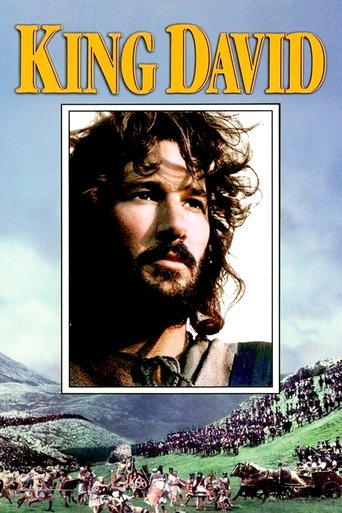
Rey David
Película · 1985 · King David
Designado como futuro rey por el profeta Samuel, el joven David vence con su honda al amenazador gigante Goliath. Pero el rey Saul, celoso del nuevo héroe, le quiere quitar la vida y le hará la guerra durante largo tiempo.

La casa de David
Serie · 2025 · House of David
Narra el desarollo del personaje bíblico David, que acaba convirtiéndose en el rey más célebre de Israel. El una vez poderoso rey Saúl cae víctima de su propio orgullo. Por orden de Dios, el profeta Samuel unge a un adolescente marginado como nuevo rey. Cuando un líder cae, otro debe surgir.
Personajes de este libro
Preguntas para reflexionar
- ·Cuando Natán lo confrontó, David dijo: "He pecado contra el SEÑOR" (12:13), lo cual contrasta fuertemente con su anterior autoengaño (11:25). ¿Estoy dispuesto a confesar con prontitud, o espero hasta que mi pecado quede expuesto?
- ·En 2 Samuel 7, Dios promete a David "descanso" (7:11), y sin embargo permite simultáneamente turmoil en su familia y reino. ¿Cómo puedo alabar en la prosperidad y aun así confiar en el Dios del pacto en medio de la prueba?
- ·David danzó con todo su fervor delante del SEÑOR (6:14), mientras Mical lo despreciaba (6:16). Cuando el gozo de la adoración se encuentra con el desprecio del mundo, ¿hacia dónde se inclina mi corazón?
- ·La tragedia de Absalón (cap. 18) muestra que las consecuencias del pecado a menudo se extienden a otros. ¿Cómo afectaron los pecados de la familia de David a sus descendientes? ¿Considero seriamente cómo mis pecados presentes pueden impactar a quienes me rodean?
- ·En las últimas palabras de David (23:1–7) llama a Dios "la Roca de Israel" (23:3). En las tormentas y el ocaso de la vida, ¿está mi fe edificada sobre las promesas de Dios o sobre mis propios logros?
Dónde encaja 2 Samuel en la historia de la Biblia
Este libro aparece en el recorrido de 12 paradas en:
¿Por dónde empezar a leer la Biblia? Mira las 12 paradas completas
¿Quieres leer 2 Samuel de principio a fin? Abre el lector con texto paralelo en chino e inglés y pregunta lo que necesites en el camino.
Empezar a leer 2 Samuel2 Samuel
Capítulo 19
- 1.Dieron aviso a Joab: He aquí el rey llora, y hace duelo por Absalón.And it was told Joab, Behold, the king weepeth and mourneth for Absalom.
- 2.Y se volvió aquel día la victoria en luto para todo el pueblo; porque oyó decir el pueblo aquel día que el rey tenía dolor por su hijo.And the victory that day was turned into mourning unto all the people; for the people heard say that day, The king grieveth for his son.
- 3.Y entró el pueblo aquel día en la ciudad escondidamente, como suele entrar a escondidas el pueblo avergonzado que ha huido de la batalla.And the people gat them by stealth that day into the city, as people that are ashamed steal away when they flee in battle.
- 4.Mas el rey, cubierto el rostro, clamaba en alta voz: ¡Hijo mío Absalón, Absalón, hijo mío, hijo mío!And the king covered his face, and the king cried with a loud voice, O my son Absalom, O Absalom, my son, my son!
- 5.Entonces Joab vino al rey en la casa, y dijo: Hoy has avergonzado el rostro de todos tus siervos, que hoy han librado tu vida, y la vida de tus hijos y de tus hijas, y la vida de tus mujeres, y la vida de tus concubinas,And Joab came into the house to the king, and said, Thou hast shamed this day the faces of all thy servants, who this day have saved thy life, and the lives of thy sons and of thy daughters, and the lives of thy wives, and the lives of thy concubines;
- 6.amando a los que te aborrecen, y aborreciendo a los que te aman; porque hoy has declarado que nada te importan tus príncipes y siervos; pues hoy me has hecho ver claramente que si Absalón viviera, aunque todos nosotros estuviéramos muertos, entonces estarías contento.in that thou lovest them that hate thee, and hatest them that love thee. For thou hast declared this day, that princes and servants are nought unto thee: for this day I perceive, that if Absalom had lived, and all we had died this day, then it had pleased thee well.
- 7.Levántate pues, ahora, y ve afuera y habla bondadosamente a tus siervos; porque juro por Jehová que si no sales, no quedará ni un hombre contigo esta noche; y esto te será peor que todos los males que te han sobrevenido desde tu juventud hasta ahora.Now therefore arise, go forth, and speak comfortably unto thy servants; for I swear by Jehovah, if thou go not forth, there will not tarry a man with thee this night: and that will be worse unto thee than all the evil that hath befallen thee from thy youth until now.
- 8.Entonces se levantó el rey y se sentó a la puerta, y fue dado aviso a todo el pueblo, diciendo: He aquí el rey está sentado a la puerta. Y vino todo el pueblo delante del rey; pero Israel había huido, cada uno a su tienda.Then the king arose, and sat in the gate. And they told unto all the people, saying, Behold, the king is sitting in the gate: and all the people came before the king. Now Israel had fled every man to his tent.
- 9.Y todo el pueblo disputaba en todas las tribus de Israel, diciendo: El rey nos ha librado de mano de nuestros enemigos, y nos ha salvado de mano de los filisteos; y ahora ha huido del país por miedo de Absalón.And all the people were at strife throughout all the tribes of Israel, saying, The king delivered us out of the hand of our enemies, and he saved us out of the hand of the Philistines; and now he is fled out of the land from Absalom.
- 10.Y Absalón, a quien habíamos ungido sobre nosotros, ha muerto en la batalla. ¿Por qué, pues, estáis callados respecto de hacer volver al rey?And Absalom, whom we anointed over us, is dead in battle. Now therefore why speak ye not a word of bringing the king back?
- 11.Y el rey David envió a los sacerdotes Sadoc y Abiatar, diciendo: Hablad a los ancianos de Judá, y decidles: ¿Por qué seréis vosotros los postreros en hacer volver el rey a su casa, cuando la palabra de todo Israel ha venido al rey para hacerle volver a su casa?And king David sent to Zadok and to Abiathar the priests, saying, Speak unto the elders of Judah, saying, Why are ye the last to bring the king back to his house? seeing the speech of all Israel is come to the king, to bring him to his house.
- 12.Vosotros sois mis hermanos; mis huesos y mi carne sois. ¿Por qué, pues, seréis vosotros los postreros en hacer volver al rey?Ye are my brethren, ye are my bone and my flesh: wherefore then are ye the last to bring back the king?
- 13.Asimismo diréis a Amasa: ¿No eres tú también hueso mío y carne mía? Así me haga Dios, y aun me añada, si no fueres general del ejército delante de mí para siempre, en lugar de Joab.And say ye to Amasa, Art thou not my bone and my flesh? God do so to me, and more also, if thou be not captain of the host before me continually in the room of Joab.
- 14.Así inclinó el corazón de todos los varones de Judá, como el de un solo hombre, para que enviasen a decir al rey: Vuelve tú, y todos tus siervos.And he bowed the heart of all the men of Judah, even as the heart of one man; so that they sent unto the king, saying, Return thou, and all thy servants.
- 15.Volvió, pues, el rey, y vino hasta el Jordán. Y Judá vino a Gilgal para recibir al rey y para hacerle pasar el Jordán.So the king returned, and came to the Jordan. And Judah came to Gilgal, to go to meet the king, to bring the king over the Jordan.
- 16.Y Simei hijo de Gera, hijo de Benjamín, que era de Bahurim, se dio prisa y descendió con los hombres de Judá a recibir al rey David.And Shimei the son of Gera, the Benjamite, who was of Bahurim, hasted and came down with the men of Judah to meet king David.
- 17.Con él venían mil hombres de Benjamín; asimismo Siba, criado de la casa de Saúl, con sus quince hijos y sus veinte siervos, los cuales pasaron el Jordán delante del rey.And there were a thousand men of Benjamin with him, and Ziba the servant of the house of Saul, and his fifteen sons and his twenty servants with him; and they went through the Jordan in the presence of the king.
- 18.Y cruzaron el vado para pasar a la familia del rey, y para hacer lo que a él le pareciera. Entonces Simei hijo de Gera se postró delante del rey cuando él hubo pasado el Jordán,And there went over a ferry-boat to bring over the king's household, and to do what he thought good. And Shimei the son of Gera fell down before the king, when he was come over the Jordan.
- 19.y dijo al rey: No me culpe mi señor de iniquidad, ni tengas memoria de los males que tu siervo hizo el día en que mi señor el rey salió de Jerusalén; no los guarde el rey en su corazón.And he said unto the king, Let not my lord impute iniquity unto me, neither do thou remember that which thy servant did perversely the day that my lord the king went out of Jerusalem, that the king should take it to his heart.
- 20.Porque yo tu siervo reconozco haber pecado, y he venido hoy el primero de toda la casa de José, para descender a recibir a mi señor el rey.For thy servant doth know that I have sinned: therefore, behold, I am come this day the first of all the house of Joseph to go down to meet my lord the king.
- 21.Respondió Abisai hijo de Sarvia y dijo: ¿No ha de morir por esto Simei, que maldijo al ungido de Jehová?But Abishai the son of Zeruiah answered and said, Shall not Shimei be put to death for this, because he cursed Jehovah's anointed?
- 22.David entonces dijo: ¿Qué tengo yo con vosotros, hijos de Sarvia, para que hoy me seáis adversarios? ¿Ha de morir hoy alguno en Israel? ¿Pues no sé yo que hoy soy rey sobre Israel?And David said, What have I to do with you, ye sons of Zeruiah, that ye should this day be adversaries unto me? shall there any man be put to death this day in Israel? for do not I know that I am this day king over Israel?
- 23.Y dijo el rey a Simei: No morirás. Y el rey se lo juró.And the king said unto Shimei, Thou shalt not die. And the king sware unto him.
- 24.También Mefi-boset hijo de Saúl descendió a recibir al rey; no había lavado sus pies, ni había cortado su barba, ni tampoco había lavado sus vestidos, desde el día en que el rey salió hasta el día en que volvió en paz.And Mephibosheth the son of Saul came down to meet the king; and he had neither dressed his feet, nor trimmed his beard, nor washed his clothes, from the day the king departed until the day he came home in peace.
- 25.Y luego que vino él a Jerusalén a recibir al rey, el rey le dijo: Mefi-boset, ¿por qué no fuiste conmigo?And it came to pass, when he was come to Jerusalem to meet the king, that the king said unto him, Wherefore wentest not thou with me, Mephibosheth?
- 26.Y él respondió: Rey señor mío, mi siervo me engañó; pues tu siervo había dicho: Enalbárdame un asno, y montaré en él, e iré al rey; porque tu siervo es cojo.And he answered, My lord, O king, my servant deceived me: for thy servant said, I will saddle me an ass, that I may ride thereon, and go with the king; because thy servant is lame.
- 27.Pero él ha calumniado a tu siervo delante de mi señor el rey; mas mi señor el rey es como un ángel de Dios; haz, pues, lo que bien te parezca.And he hath slandered thy servant unto my lord the king; but my lord the king is as an angel of God: do therefore what is good in thine eyes.
- 28.Porque toda la casa de mi padre era digna de muerte delante de mi señor el rey, y tú pusiste a tu siervo entre los convidados a tu mesa. ¿Qué derecho, pues, tengo aún para clamar más al rey?For all my father's house were but dead men before my lord the king; yet didst thou set thy servant among them that did eat at thine own table. What right therefore have I yet that I should cry any more unto the king?
- 29.Y el rey le dijo: ¿Para qué más palabras? Yo he determinado que tú y Siba os dividáis las tierras.And the king said unto him, Why speakest thou any more of thy matters? I say, Thou and Ziba divide the land.
- 30.Y Mefi-boset dijo al rey: Deja que él las tome todas, pues que mi señor el rey ha vuelto en paz a su casa.And Mephibosheth said unto the king, yea, let him take all, forasmuch as my lord the king is come in peace unto his own house.
- 31.También Barzilai galaadita descendió de Rogelim, y pasó el Jordán con el rey, para acompañarle al otro lado del Jordán.And Barzillai the Gileadite came down from Rogelim; and he went over the Jordan with the king, to conduct him over the Jordan.
- 32.Era Barzilai muy anciano, de ochenta años, y él había dado provisiones al rey cuando estaba en Mahanaim, porque era hombre muy rico.Now Barzillai was a very aged man, even fourscore years old: and he had provided the king with sustenance while he lay at Mahanaim; for he was a very great man.
- 33.Y el rey dijo a Barzilai: Pasa conmigo, y yo te sustentaré conmigo en Jerusalén.And the king said unto Barzillai, Come thou over with me, and I will sustain thee with me in Jerusalem.
- 34.Mas Barzilai dijo al rey: ¿Cuántos años más habré de vivir, para que yo suba con el rey a Jerusalén?And Barzillai said unto the king, How many are the days of the years of my life, that I should go up with the king unto Jerusalem?
- 35.De edad de ochenta años soy este día. ¿Podré distinguir entre lo que es agradable y lo que no lo es? ¿Tomará gusto ahora tu siervo en lo que coma o beba? ¿Oiré más la voz de los cantores y de las cantoras? ¿Para qué, pues, ha de ser tu siervo una carga para mi señor el rey?I am this day fourscore years old: can I discern between good and bad? can thy servant taste what I eat or what I drink? can I hear any more the voice of singing men and singing women? wherefore then should thy servant be yet a burden unto my lord the king?
- 36.Pasará tu siervo un poco más allá del Jordán con el rey; ¿por qué me ha de dar el rey tan grande recompensa?Thy servant would but just go over the Jordan with the king: and why should the king recompense it me with such a reward?
- 37.Yo te ruego que dejes volver a tu siervo, y que muera en mi ciudad, junto al sepulcro de mi padre y de mi madre. Mas he aquí a tu siervo Quimam; que pase él con mi señor el rey, y haz a él lo que bien te pareciere.Let thy servant, I pray thee, turn back again, that I may die in mine own city, by the grave of my father and my mother. But behold, thy servant Chimham; let him go over with my lord the king; and do to him what shall seem good unto thee.
- 38.Y el rey dijo: Pues pase conmigo Quimam, y yo haré con él como bien te parezca; y todo lo que tú pidieres de mí, yo lo haré.And the king answered, Chimham shall go over with me, and I will do to him that which shall seem good unto thee: and whatsoever thou shalt require of me, that will I do for thee.
- 39.Y todo el pueblo pasó el Jordán; y luego que el rey hubo también pasado, el rey besó a Barzilai, y lo bendijo; y él se volvió a su casa.And all the people went over the Jordan, and the king went over: and the king kissed Barzillai, and blessed him; and he returned unto his own place.
- 40.El rey entonces pasó a Gilgal, y con él pasó Quimam; y todo el pueblo de Judá acompañaba al rey, y también la mitad del pueblo de Israel.So the king went over to Gilgal, and Chimham went over with him: and all the people of Judah brought the king over, and also half the people of Israel.
- 41.Y he aquí todos los hombres de Israel vinieron al rey, y le dijeron: ¿Por qué los hombres de Judá, nuestros hermanos, te han llevado, y han hecho pasar el Jordán al rey y a su familia, y a todos los siervos de David con él?And, behold, all the men of Israel came to the king, and said unto the king, Why have our brethren the men of Judah stolen thee away, and brought the king, and his household, over the Jordan, and all David's men with him?
- 42.Y todos los hombres de Judá respondieron a todos los de Israel: Porque el rey es nuestro pariente. Mas ¿por qué os enojáis vosotros de eso? ¿Hemos nosotros comido algo del rey? ¿Hemos recibido de él algún regalo?And all the men of Judah answered the men of Israel, Because the king is near of kin to us: wherefore then are ye angry for this matter? have we eaten at all at the king's cost? or hath he given us any gift?
- 43.Entonces respondieron los hombres de Israel, y dijeron a los de Judá: Nosotros tenemos en el rey diez partes, y en el mismo David más que vosotros. ¿Por qué, pues, nos habéis tenido en poco? ¿No hablamos nosotros los primeros, respecto de hacer volver a nuestro rey? Y las palabras de los hombres de Judá fueron más violentas que las de los hombres de Israel.And the men of Israel answered the men of Judah, and said, We have ten parts in the king, and we have also more right in David than ye: why then did ye despise us, that our advice should not be first had in bringing back our king? And the words of the men of Judah were fiercer than the words of the men of Israel.