GUÍA DE PELÍCULA BÍBLICA
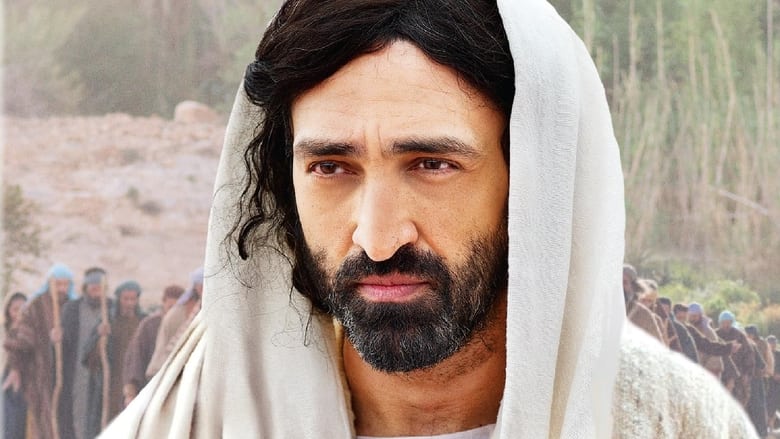
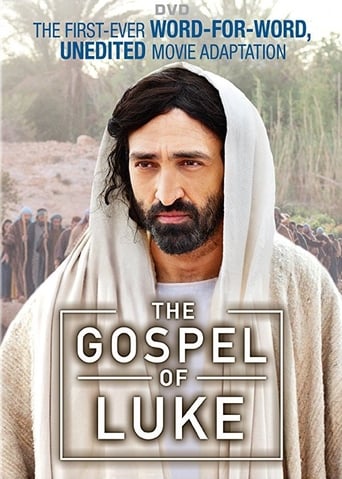
The Gospel of Luke
Película · 2015 · 205 min
A word-for-word dramatization of Luke's Gospel, presenting Jesus as the Savior of the needy and outcast.
De qué trata
The overview describes the film as fitting the category of ancient biography: Luke acts as the narrator of events, and Jesus is presented as the 'Savior' of all people, consistently on the side of the needy and the deprived. The production was filmed on specially constructed sets and in the countryside of Morocco, and was narrated in the NIV by Richard E. Grant and in the KJV by Sir Derek Jacobi. Religious scholars cited in the overview have called it a unique and highly authentic telling of the Jesus story.
In the Bible the film covers the Gospel of Luke, chapters 1 through 24, and engages figures named in the source material: Luke, Mary, and Peter. As a Gospel, it opens with the birth and infancy narrative, moves through Jesus' Galilean ministry, the journey toward Jerusalem, and the passion and resurrection accounts, all framed by Luke's stated purpose of writing an orderly account for certainty about what was taught.
Dónde está en la Biblia
- Lucas 1:1-4Luke opens by explaining his purpose: to write an orderly account so that the reader may know the certainty of what was taught. The film's narrator framing can be read against this stated purpose.
- Lucas 2:10-11The angel announces good tidings of great joy: a Savior, who is Christ the Lord, is born in the city of David. The overview's emphasis on Jesus the 'Savior' of all people echoes this announcement.
- Lucas 4:18-19In the Nazareth synagogue Jesus reads from Isaiah: good tidings to the poor, release to the captives, sight to the blind, liberty to the bruised, the acceptable year of the Lord. The overview's stress on Jesus standing with the needy is drawn from passages like this.
- Lucas 7:36-39A woman known in the city as a sinner washes Jesus' feet with her tears and anoints them, while the Pharisee questions whether Jesus perceives who she is. The overview highlights Jesus on the side of those whom society has excluded, and this scene is a clear example.
- Lucas 9:23-24Jesus tells the crowd that anyone who would come after him must deny themselves, take up their cross daily, and follow him; whoever loses their life for his sake will save it. The film's pacing of such sayings may shape how viewers feel the weight of these words.
- Lucas 15:7Jesus says there will be more joy in heaven over one sinner who repents than over ninety-nine righteous who need no repentance. The film's portrayal of the lost and the found can be compared against this single line.
En qué se aparta de la Biblia
Watch for how the film handles the passages you know well. The overview frames the Gospel as ancient biography and emphasizes Jesus on the side of the needy and the deprived; viewers may notice that scenes such as the anointing in the Pharisee's house (Luke 7:36-39) sit naturally inside that framing, since a 'sinner' approaches Jesus precisely because he receives her. Compare how the film introduces Jesus in the Nazareth synagogue against the words of Luke 4:18-19, and notice whether the camera or staging underscores 'good tidings to the poor,' 'release to the captives,' 'recovering of sight to the blind,' and 'the acceptable year of the Lord.'
Keep in mind that any word-for-word film adaptation has to choose a translation and condense hours of teaching into a single viewing. The overview notes two narration tracks (NIV and KJV), so language itself becomes a viewing decision. Scenes such as the disciples being told to take up their cross daily (Luke 9:23-24), or the joy over one repentant sinner (Luke 15:7), may be dramatized with gestures, locations, or pacing choices the text does not specify. Viewers can compare what the scripture says directly with how a scene is staged, and ask which phrases the film slows down for and which it passes over quickly.
Preguntas para conversar
- 1
How does the film present Jesus' identity?
The overview describes Jesus as the 'Savior' of all people, on the side of the needy and the deprived. Scripture affirms this in Luke 2:10-11, where the angel announces a Savior, who is Christ the Lord, born in the city of David.
- 2
Why might the film choose a narrator and two English translations?
Luke himself writes as a narrator, opening with the stated purpose of writing an orderly account so the reader may know certainty (Luke 1:1-4). The film mirrors this by giving the text to a voice; viewers can ask how each translation shapes tone and reception.
- 3
Which scenes show Jesus standing with the excluded?
The overview highlights Jesus with the needy and deprived, and the scripture shows this in concrete scenes such as the anointing in the Pharisee's house (Luke 7:36-39) and the mission reading in Nazareth (Luke 4:18-19). Compare these passages directly with how the film stages them.
Dónde verla
Disponibilidad para Canadá; cambia con el tiempo. Verifica en la plataforma antes de verla. TMDb ↗
Reflexiones sobre Lucas
Después de verla, lee el pasaje: encontrarás detalles que ninguna película alcanza a mostrar.