BIBLE BOOK GUIDE
John
21 chapters
The Word became flesh in Jesus Christ to reveal the Father, so that everyone who believes may have eternal life and walk in the light.
John
Choose a chapter
Pick a chapter and it opens in the Current chapter tab. Come back here whenever you want to choose another one.
Why this book was written
John wrote this Gospel so that readers "may believe that Jesus is the Messiah, the Son of God," and that through believing they "may have life in his name" (John 20:31). The audience, dispersed churches grappling with incipient Gnosticism and Jewish-Christian tensions, needed a clear portrait of Jesus' divinity, the sufficiency of His saving work, and the calling to abide in Him.
Structure
- 1–4The Word Made Flesh and Early Signs
- 5–10Seven Signs Revealing the Son and Salvation
- 11–12The Climax of Unbelief and the Hour of Glory
- 13–17The Upper Room and Farewell Discourse
- 18–21Passion, Resurrection, and Commission
Major themes
The Word Made Flesh
John opens by declaring that the Word was with God from the beginning and became flesh and dwelt among us (John 1:1, 14), forming the book's foundation and revealing Jesus' divine nature and redemptive mission.
Faith and Eternal Life
John repeatedly emphasizes that whoever believes in the Son has eternal life (John 3:16, 5:24, 20:31); the whole book is written that readers may believe and have life.
Light and Darkness
Jesus is the light of the world (John 8:12, 9:5); those who follow Him will not walk in darkness. The contrast between light and darkness runs through the book, symbolizing belief versus unbelief and obedience versus rebellion.
Love and Service
Jesus washes the disciples' feet (John 13) and gives a new commandment to love one another (John 13:34–35); love marks discipleship and flows from Christ's own self-giving love.
The Holy Spirit and the Paraclete
Jesus promises to send the Paraclete, the Holy Spirit (John 14:16–17, 16:7–13), who will guide disciples into truth, glorify Christ, and continue Christ's presence and work in the world.
The Cross and Glorification through Resurrection
John presents Jesus' death as the moment of His glorification (John 12:23–24, 17:1–5); the cross and resurrection are tightly woven together, displaying God's love and victory.
How it points to Christ
John presents Christ as the eternal Son who became flesh, the Father's only-begotten Son (John 3:16). He is the Lamb of God who takes away the sin of the world (John 1:29), the Good Shepherd who lays down His life for the sheep (John 10:11), the true Vine who sustains His disciples' life (John 15:1–5), and the Resurrection and the Life itself (John 11:25). The seven miraculous 'signs' and seven 'I Am' declarations (John 6:35, 8:12, 10:7–11, 11:25, 14:6, 15:1, 15:5) progressively reveal Christ's identity and mission, culminating in the atoning cross and the third-day resurrection, so that believers may have eternal life through faith (John 20:30–31).
Key verses
- 1:1Affirms the eternal, divine nature of the Word, anchoring John's Christology from the outset.
- 3:16The Gospel in a nutshell—God's love, the way of faith, the promise of eternal life.
- 6:35Jesus' self-disclosure as the Bread of Life, presenting Himself as the sole sustainer of spiritual life.
- 10:10–11The Good Shepherd gives abundant life and lays down His life, revealing the richness of salvation and Christ's self-sacrifice.
- 14:6Jesus as the exclusive way to the Father—the singular path to God.
- 15:5The Vine-Branches metaphor teaches the necessity of abiding in Christ for fruitful discipleship.
- 17:3Defines eternal life as relational knowledge of the only true God and Jesus Christ.
- 20:31John's stated purpose: belief that leads to life, the explicit aim of the entire Gospel.
Films & series on John
Each has a guide: scripture sources, where it departs from the Bible, discussion questions, and where to watch
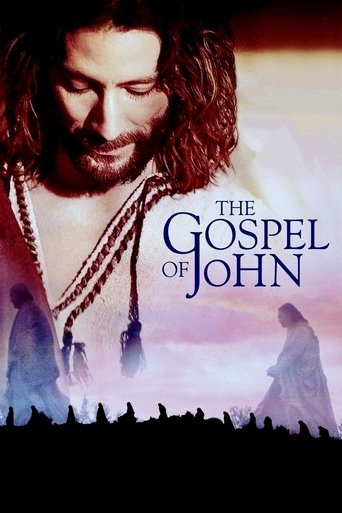
The Gospel of John
Film · 2003
A word for word depiction of the life of Jesus Christ from the Good News Translation Bible as recorded in the Gospel of John.
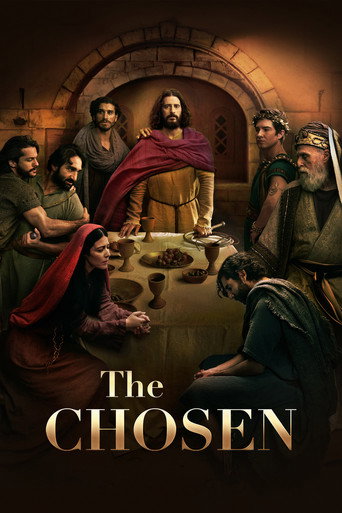
The Chosen
Series · 2019
The life of Christ through the eyes of those who encountered him.
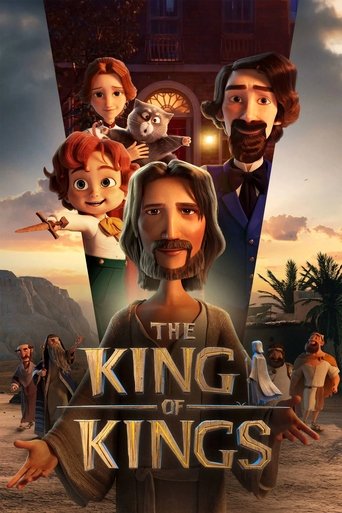
The King of Kings
Film · 2025
Charles Dickens tells his young son Walter the greatest story ever told, and what begins as a bedtime tale becomes a life-changing journey. Through vivid imagination, the boy walks alongside Jesus, witnessing His miracles, facing His trials, and understanding His ultimate sacrifice.
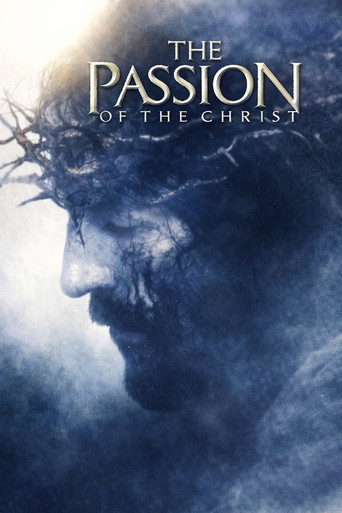
The Passion of the Christ
Film · 2004
A graphic portrayal of the last twelve hours of Jesus of Nazareth's life.
Reflections on John
People in this book
Questions for reflection
- ·The verb 'believe' (pisteuō) appears nearly a hundred times in John. Which kind of faith described in John (John 1:12, 3:16, 20:31) most closely matches your current trust in Jesus?
- ·Jesus says, 'I am the light of the world' (John 8:12). What areas of darkness in your life need to be brought into this light?
- ·Jesus washes the disciples' feet at the Last Supper (John 13:1–17). How can you practically follow Christ in a posture of serving rather than being served today?
- ·Jesus promises that the Paraclete, the Holy Spirit, will be with disciples forever (John 14:16–17). How are you relying on the Spirit's guidance in your daily prayer and life?
- ·John 20:30–31 states the purpose of the book. If you take this verse as a check on your spiritual journey, what aspect of 'belief' and 'life' most needs renewing in you?
Want to read John start to finish? Open the reader for parallel Chinese/English text and ask anything as you go.
Start reading JohnJohn
Chapter 9
1And as he passed by, he saw a man blind from his birth.
2And his disciples asked him, saying, Rabbi, who sinned, this man, or his parents, that he should be born blind?
3Jesus answered, Neither did this man sin, nor his parents: but that the works of God should be made manifest in him.
4We must work the works of him that sent me, while it is day: the night cometh, when no man can work.
5When I am in the world, I am the light of the world.
6When he had thus spoken, he spat on the ground, and made clay of the spittle, and anointed his eyes with the clay,
7and said unto him, Go, wash in the pool of Siloam (which is by interpretation, Sent). He went away therefore, and washed, and came seeing.
8The neighbors therefore, and they that saw him aforetime, that he was a beggar, said, Is not this he that sat and begged?
9Others said, It is he: others said, No, but he is like him. He said, I am he.
10They said therefore unto him, How then were thine eyes opened?
11He answered, The man that is called Jesus made clay, and anointed mine eyes, and said unto me, Go to Siloam, and wash: so I went away and washed, and I received sight.
12And they said unto him, Where is he? He saith, I know not.
13They bring to the Pharisees him that aforetime was blind.
14Now it was the sabbath on the day when Jesus made the clay, and opened his eyes.
15Again therefore the Pharisees also asked him how he received his sight. And he said unto them, He put clay upon mine eyes, and I washed, and I see.
16Some therefore of the Pharisees said, This man is not from God, because he keepeth not the sabbath. But others said, How can a man that is a sinner do such signs? And there was a division among them.
17They say therefore unto the blind man again, What sayest thou of him, in that he opened thine eyes? And he said, He is a prophet.
18The Jews therefore did not believe concerning him, that he had been blind, and had received his sight, until they called the parents of him that had received his sight,
19and asked them, saying, Is this your son, who ye say was born blind? How then doth he now see?
20His parents answered and said, We know that this is our son, and that he was born blind:
21but how he now seeth, we know not; or who opened his eyes, we know not: ask him; he is of age; he shall speak for himself.
22These things said his parents, because they feared the Jews: for the Jews had agreed already, that if any man should confess him to be Christ, he should be put out of the synagogue.
23Therefore said his parents, He is of age; ask him.
24So they called a second time the man that was blind, and said unto him, Give glory to God: we know that this man is a sinner.
25He therefore answered, Whether he is a sinner, I know not: one thing I know, that, whereas I was blind, now I see.
26They said therefore unto him, What did he to thee? How opened he thine eyes?
27He answered them, I told you even now, and ye did not hear; wherefore would ye hear it again? would ye also become his disciples?
28And they reviled him, and said, Thou art his disciple; but we are disciples of Moses.
29We know that God hath spoken unto Moses: but as for this man, we know not whence he is.
30The man answered and said unto them, Why, herein is the marvel, that ye know not whence he is, and yet he opened mine eyes.
31We know that God heareth not sinners: but if any man be a worshipper of God, and do his will, him he heareth.
32Since the world began it was never heard that any one opened the eyes of a man born blind.
33If this man were not from God, he could do nothing.
34They answered and said unto him, Thou wast altogether born in sins, and dost thou teach us? And they cast him out.
35Jesus heard that they had cast him out; and finding him, he said, Dost thou believe on the Son of God?
36He answered and said, And who is he, Lord, that I may believe on him?
37 Jesus said unto him, Thou hast both seen him, and he it is that speaketh with thee.
38And he said, Lord, I believe. And he worshipped him.
39And Jesus said, For judgment came I into this world, that they that see not may see; and that they that see may become blind.
40Those of the Pharisees who were with him heard these things, and said unto him, Are we also blind?
41Jesus said unto them, If ye were blind, ye would have no sin: but now ye say, We see: your sin remaineth.