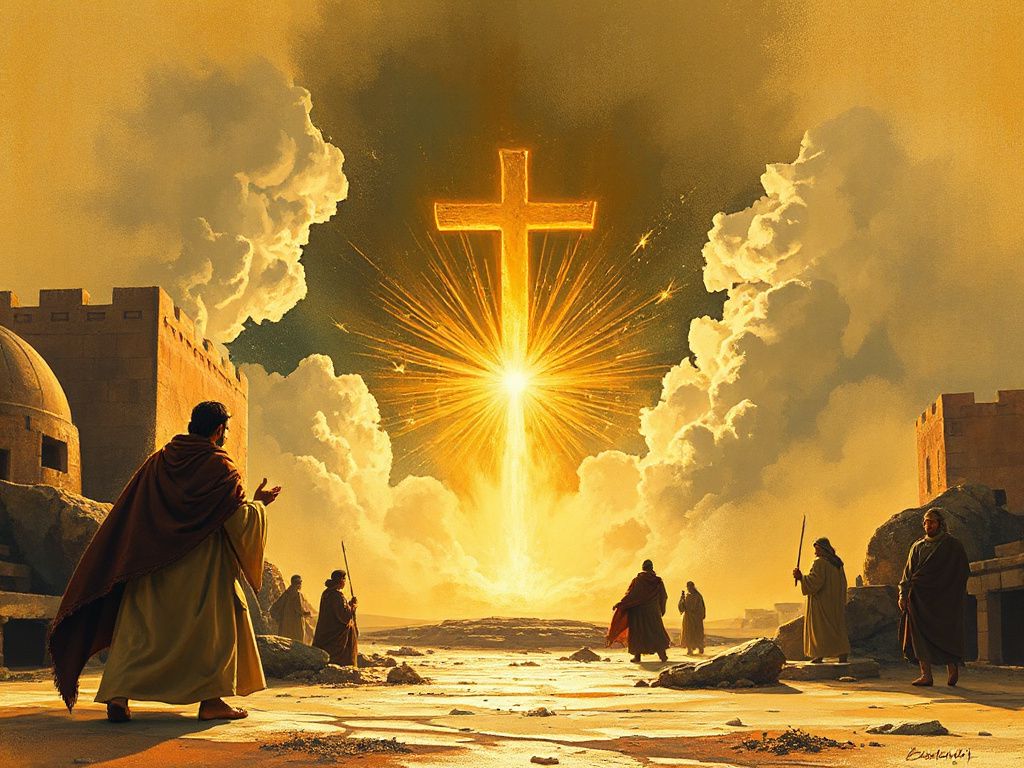
GUÍA DEL LIBRO BÍBLICO
Guía de Ezequiel
48 capítulos en total
En medio del exilio y la infidelidad, la gloria del SEÑOR se aparta —aunque solo de manera temporal—, porque Él juzgará a las naciones, restaurará a Israel y habitará entre su pueblo como su santuario y Rey.
Ezequiel
Elige un capítulo
Elige un capítulo y se abrirá en la pestaña Capítulo actual. Vuelve aquí para elegir otro.
Por qué se escribió este libro
Ezequiel profetizó entre los exiliados en Babilonia. Fue designado como atalaya para la casa rebelde, anunciando juicio por la idolatría y la infidelidad al pacto (caps. 1–24). Después de la caída de Jerusalén, trajo consuelo, asegurando al remanente que la gloria de Dios regresaría, que Israel sería restaurado y que el SEÑOR mismo habitaría entre ellos en un nuevo templo y sobre una tierra renovada (caps. 33–48).
Estructura por secciones
- 1–3El llamado y la comisión profética de Ezequiel
- 4–24Juicio sobre Jerusalén y la casa rebelde
- 25–32Oráculos contra las naciones
- 33–39Promesas de restauración: pastores, un corazón nuevo y victoria
- 40–48El nuevo templo, el nuevo culto y el regreso de la gloria de Dios
Temas principales
La Gloria y la Santidad del SEÑOR
Desde el trono-carro del capítulo 1 hasta el regreso de la gloria divina al templo al final, Dios muestra repetidamente Su santidad trascendente y llama a Su pueblo a ser apartado.
Juicio y justicia
El profeta pronuncia juicio sobre Jerusalén, las naciones y el templo, porque el pecado ha llegado a su medida completa y Dios actuará conforme a Su justicia.
Identidad y obediencia del profeta
Dios da visiones, palabras y señalesextrañas (como tragar el pergamino o acostarse sobre su costado durante 390 días) para formar a Ezequiel como atalaya de la casa de Israel.
Restauración y promesa del nuevo pacto
Después del juicio, Dios promete dar un corazón nuevo y un espíritu nuevo, revivir los huesos secos, reconstruir el templo y hacer que fluyan de nuevo aguas que dan vida.
Pastoreo y responsabilidad individual
El capítulo 34 condena a los falsos pastores; el Señor mismo se convierte en el Buen Pastor que busca al perdido, y cada persona es juzgada según sus propias obras.
El destino de las naciones y la soberanía de Dios
Los capítulos 25–32 tratan sobre Amón, Moab, Edom, Filistea, Tiro y Egipto, mostrando que todas las naciones están bajo el gobierno soberano de Dios.
Cómo apunta a Cristo
Ezequiel prefigura a Cristo de múltiples maneras: Él es el Buen Pastor y el descendiente davídico (Ezeq 34:23) y el centro de las visiones de la Gloria del Señor; Su Espíritu revive los huesos secos (cap. 37), apuntando a la nueva vida para los pecadores; el nuevo pacto de agua purificadora y espíritu nuevo (36:25–27) se cumple en Él; y el río que da vida y fluye del templo (cap. 47) apunta al derramamiento del Espíritu y al río de vida en la nueva creación (cf. Ap 22:1).
Versículos clave
- 1:28La visión inaugural de Ezequiel sobre la gloria del SEÑOR establece el tema central del libro: la gloria divina que se aparta también regresará.
- 3:17El mandato del atalaya define el papel profético de Ezequiel: advertir al impío con fidelidad, asumiendo responsabilidad personal por la advertencia dada.
- 11:19Dios promete dar un corazón nuevo y un espíritu nuevo —una anticipación profética de la renovación interior que luego se cumplirá en el nuevo pacto.
- 18:31Un llamado a haceros un corazón nuevo y un espíritu nuevo, que fundamenta la teología de Ezequiel sobre el arrepentimiento personal y la justicia divina.
- 36:26–27La promesa climática de restauración: Dios mismo quita el corazón de piedra, da un corazón de carne y pone Su Espíritu dentro.
- 37:14El valle de los huesos secos recibe vida cuando viene el Espíritu de Dios —profetizando la resurrección escatológica y la restauración del pueblo de Dios.
- 43:2La gloria del SEÑOR regresa al nuevo templo —el clímax literario que resuelve la partida vista en los caps. 9–11.
- 48:35La ciudad es llamada 'El SEÑOR Está Allí', cumpliendo la teología del libro según la cual la presencia de Dios es la meta de toda redención.
Personajes de este libro
Preguntas para reflexionar
- ·¿Cómo la manifestación de la gloria de Dios en la visión de Ezequiel moldea tu conciencia de la presencia de Dios hoy?
- ·¿Cómo te desafía la palabra de Dios «¿Acaso yo tengo algún placer en la muerte del impío?» (Ez 18:23) en tu visión del arrepentimiento y la misericordia?
- ·¿Cómo te anima la visión del valle de los huesos secos (cap. 37) a declarar el poder de Dios en situaciones que parecen sin esperanza?
- ·«Os daré un corazón nuevo y pondré dentro de vosotros un espíritu nuevo» (36:26): ¿cómo te motiva esta promesa a buscar la renovación diaria por el Espíritu?
- ·Si el atalaya no advierte al impío, se le hace responsable (3:18): ¿qué dice esto sobre los creyentes que velan unos por otros hoy?
¿Quieres leer Ezequiel de principio a fin? Abre el lector con texto paralelo en chino e inglés y pregunta lo que necesites en el camino.
Empezar a leer EzequielEzequiel
Capítulo 33
- 1.Vino a mí palabra de Jehová, diciendo:And the word of Jehovah came unto me, saying,
- 2.Hijo de hombre, habla a los hijos de tu pueblo, y diles: Cuando trajere yo espada sobre la tierra, y el pueblo de la tierra tomare un hombre de su territorio y lo pusiere por atalaya,Son of man, speak to the children of thy people, and say unto them, When I bring the sword upon a land, and the people of the land take a man from among them, and set him for their watchman;
- 3.y él viere venir la espada sobre la tierra, y tocare trompeta y avisare al pueblo,if, when he seeth the sword come upon the land, he blow the trumpet, and warn the people;
- 4.cualquiera que oyere el sonido de la trompeta y no se apercibiere, y viniendo la espada lo hiriere, su sangre será sobre su cabeza.then whosoever heareth the sound of the trumpet, and taketh not warning, if the sword come, and take him away, his blood shall be upon his own head.
- 5.El sonido de la trompeta oyó, y no se apercibió; su sangre será sobre él; mas el que se apercibiere librará su vida.He heard the sound of the trumpet, and took not warning; his blood shall be upon him; whereas if he had taken warning, he would have delivered his soul.
- 6.Pero si el atalaya viere venir la espada y no tocare la trompeta, y el pueblo no se apercibiere, y viniendo la espada, hiriere de él a alguno, éste fue tomado por causa de su pecado, pero demandaré su sangre de mano del atalaya.But if the watchman see the sword come, and blow not the trumpet, and the people be not warned, and the sword come, and take any person from among them; he is taken away in his iniquity, but his blood will I require at the watchman's hand.
- 7.A ti, pues, hijo de hombre, te he puesto por atalaya a la casa de Israel, y oirás la palabra de mi boca, y los amonestarás de mi parte.So thou, son of man, I have set thee a watchman unto the house of Israel; therefore hear the word at my mouth, and give them warning from me.
- 8.Cuando yo dijere al impío: Impío, de cierto morirás; si tú no hablares para que se guarde el impío de su camino, el impío morirá por su pecado, pero su sangre yo la demandaré de tu mano.When I say unto the wicked, O wicked man, thou shalt surely die, and thou dost not speak to warn the wicked from his way; that wicked man shall die in his iniquity, but his blood will I require at thy hand.
- 9.Y si tú avisares al impío de su camino para que se aparte de él, y él no se apartare de su camino, él morirá por su pecado, pero tú libraste tu vida.Nevertheless, if thou warn the wicked of his way to turn from it, and he turn not from his way; he shall die in his iniquity, but thou hast delivered thy soul.
- 10.Tú, pues, hijo de hombre, di a la casa de Israel: Vosotros habéis hablado así, diciendo: Nuestras rebeliones y nuestros pecados están sobre nosotros, y a causa de ellos somos consumidos; ¿cómo, pues, viviremos?And thou, son of man, say unto the house of Israel: Thus ye speak, saying, Our transgressions and our sins are upon us, and we pine away in them; how then can we live?
- 11.Diles: Vivo yo, dice Jehová el Señor, que no quiero la muerte del impío, sino que se vuelva el impío de su camino, y que viva. Volveos, volveos de vuestros malos caminos; ¿por qué moriréis, oh casa de Israel?Say unto them, As I live, saith the Lord Jehovah, I have no pleasure in the death of the wicked; but that the wicked turn from his way and live: turn ye, turn ye from your evil ways; for why will ye die, O house of Israel?
- 12.Y tú, hijo de hombre, di a los hijos de tu pueblo: La justicia del justo no lo librará el día que se rebelare; y la impiedad del impío no le será estorbo el día que se volviere de su impiedad; y el justo no podrá vivir por su justicia el día que pecare.And thou, son of man, say unto the children of thy people, The righteousness of the righteous shall not deliver him in the day of his transgression; and as for the wickedness of the wicked, he shall not fall thereby in the day that he turneth from his wickedness; neither shall he that is righteous be able to live thereby in the day that he sinneth.
- 13.Cuando yo dijere al justo: De cierto vivirás, y él confiado en su justicia hiciere iniquidad, todas sus justicias no serán recordadas, sino que morirá por su iniquidad que hizo.When I say to the righteous, that he shall surely live; if he trust to his righteousness, and commit iniquity, none of his righteous deeds shall be remembered; but in his iniquity that he hath committed, therein shall he die.
- 14.Y cuando yo dijere al impío: De cierto morirás; si él se convirtiere de su pecado, e hiciere según el derecho y la justicia,Again, when I say unto the wicked, Thou shalt surely die; if he turn from his sin, and do that which is lawful and right;
- 15.si el impío restituyere la prenda, devolviere lo que hubiere robado, y caminare en los estatutos de la vida, no haciendo iniquidad, vivirá ciertamente y no morirá.if the wicked restore the pledge, give again that which he had taken by robbery, walk in the statutes of life, committing no iniquity; he shall surely live, he shall not die.
- 16.No se le recordará ninguno de sus pecados que había cometido; hizo según el derecho y la justicia; vivirá ciertamente.None of his sins that he hath committed shall be remembered against him: he hath done that which is lawful and right; he shall surely live.
- 17.Luego dirán los hijos de tu pueblo: No es recto el camino del Señor; el camino de ellos es el que no es recto.Yet the children of thy people say, The way of the Lord is not equal: but as for them, their way is not equal.
- 18.Cuando el justo se apartare de su justicia, e hiciere iniquidad, morirá por ello.When the righteous turneth from his righteousness, and committeth iniquity, he shall even die therein.
- 19.Y cuando el impío se apartare de su impiedad, e hiciere según el derecho y la justicia, vivirá por ello.And when the wicked turneth from his wickedness, and doeth that which is lawful and right, he shall live thereby.
- 20.Y dijisteis: No es recto el camino del Señor. Yo os juzgaré, oh casa de Israel, a cada uno conforme a sus caminos.Yet ye say, The way of the Lord is not equal. O house of Israel, I will judge you every one after his ways.
- 21.Aconteció en el año duodécimo de nuestro cautiverio, en el mes décimo, a los cinco días del mes, que vino a mí un fugitivo de Jerusalén, diciendo: La ciudad ha sido conquistada.And it came to pass in the twelfth year of our captivity, in the tenth month, in the fifth day of the month, that one that had escaped out of Jerusalem came unto me, saying, The city is smitten.
- 22.Y la mano de Jehová había sido sobre mí la tarde antes de llegar el fugitivo, y había abierto mi boca, hasta que vino a mí por la mañana; y abrió mi boca, y ya no más estuve callado.Now the hand of Jehovah had been upon me in the evening, before he that was escaped came; and he had opened my mouth, until he came to me in the morning; and my mouth was opened, and I was no more dumb.
- 23.Y vino a mí palabra de Jehová, diciendo:And the word of Jehovah came unto me, saying,
- 24.Hijo de hombre, los que habitan aquellos lugares asolados en la tierra de Israel hablan diciendo: Abraham era uno, y poseyó la tierra; pues nosotros somos muchos; a nosotros nos es dada la tierra en posesión.Son of man, they that inhabit those waste places in the land of Israel speak, saying, Abraham was one, and he inherited the land: but we are many; the land is given us for inheritance.
- 25.Por tanto, diles: Así ha dicho Jehová el Señor: ¿Comeréis con sangre, y a vuestros ídolos alzaréis vuestros ojos, y derramaréis sangre, y poseeréis vosotros la tierra?Wherefore say unto them, Thus saith the Lord Jehovah: Ye eat with the blood, and lift up your eyes unto your idols, and shed blood: and shall ye possess the land?
- 26.Estuvisteis sobre vuestras espadas, hicisteis abominación, y contaminasteis cada cual a la mujer de su prójimo; ¿y habréis de poseer la tierra?Ye stand upon your sword, ye work abomination, and ye defile every one his neighbor's wife: and shall ye possess the land?
- 27.Les dirás así: Así ha dicho Jehová el Señor: Vivo yo, que los que están en aquellos lugares asolados caerán a espada, y al que está sobre la faz del campo entregaré a las fieras para que lo devoren; y los que están en las fortalezas y en las cuevas, de pestilencia morirán.Thus shalt thou say unto them, Thus saith the Lord Jehovah: As I live, surely they that are in the waste places shall fall by the sword; and him that is in the open field will I give to the beasts to be devoured; and they that are in the strongholds and in the caves shall die of the pestilence.
- 28.Y convertiré la tierra en desierto y en soledad, y cesará la soberbia de su poderío; y los montes de Israel serán asolados hasta que no haya quien pase.And I will make the land a desolation and an astonishment; and the pride of her power shall cease; and the mountains of Israel shall be desolate, so that none shall pass through.
- 29.Y sabrán que yo soy Jehová, cuando convierta la tierra en soledad y desierto, por todas las abominaciones que han hecho.Then shall they know that I am Jehovah, when I have made the land a desolation and an astonishment, because of all their abominations which they have committed.
- 30.Y tú, hijo de hombre, los hijos de tu pueblo se mofan de ti junto a las paredes y a las puertas de las casas, y habla el uno con el otro, cada uno con su hermano, diciendo: Venid ahora, y oíd qué palabra viene de Jehová.And as for thee, son of man, the children of thy people talk of thee by the walls and in the doors of the houses, and speak one to another, every one to his brother, saying, Come, I pray you, and hear what is the word that cometh forth from Jehovah.
- 31.Y vendrán a ti como viene el pueblo, y estarán delante de ti como pueblo mío, y oirán tus palabras, y no las pondrán por obra; antes hacen halagos con sus bocas, y el corazón de ellos anda en pos de su avaricia.And they come unto thee as the people cometh, and they sit before thee as my people, and they hear thy words, but do them not; for with their mouth they show much love, but their heart goeth after their gain.
- 32.Y he aquí que tú eres a ellos como cantor de amores, hermoso de voz y que canta bien; y oirán tus palabras, pero no las pondrán por obra.And, lo, thou art unto them as a very lovely song of one that hath a pleasant voice, and can play well on an instrument; for they hear thy words, but they do them not.
- 33.Pero cuando ello viniere (y viene ya), sabrán que hubo profeta entre ellos.And when this cometh to pass, (behold, it cometh,) then shall they know that a prophet hath been among them.