GUÍA DEL LIBRO BÍBLICO
Guía de Jueces
21 capítulos en total
Israel cae repetidamente en el pecado y la opresión, pero la compasión del Señor levanta jueces para liberarlos.
Jueces
Elige un capítulo
Elige un capítulo y se abrirá en la pestaña Capítulo actual. Vuelve aquí para elegir otro.
Por qué se escribió este libro
Mostrar a Israel que abandonar al Señor trae juicio y sufrimiento, mientras que el arrepentimiento y clamar a Él trae liberación misericordiosa, y establecer la base teológica para la futura monarquía.
Estructura por secciones
- 1–2El fracaso de Israel para expulsar a las naciones y el preludio de los jueces
- 3–5Otoniel, Ehúd y Débora: el primer ciclo de liberación
- 6–9El llamado de Gedeón, su guerra y la usurpación de Abimélec
- 10–12Jair, Jefté y el declive moral de los jueces
- 13–16La vida nazarea de Sansón y su trágico final
- 17–21La idolatría de Micías y la guerra civil benjamita: el cierre de 'cada uno hacía lo que le parecía bien'
Temas principales
Ciclos de apostasía
Israel se aparta repetidamente, sufre opresión, clama y es liberada (Jue 2:11-19; 3:7; 4:1; 6:1; 10:6; 13:1), lo que revela la depravación humana y la misericordia divina incesante.
Surgimiento y debilidad de los jueces
Desde Otoniel hasta Sansón, los libertadores que Dios levanta son desiguales, débiles y a veces moralmente fallidos (Jue 17-18; 19-21), mostrando que solo el Señor es el verdadero Salvador.
La soberanía y fidelidad de Dios
Aun cuando el pueblo rompe el pacto, el Señor responde a sus clamores y levanta jueces inesperados (Jue 2:1, 16-18; 3:9, 15; 6:36), mostrando su misericordia firme y su propósito.
Caos moral y "falta de rey" en Israel
El libro concluye con el estribillo repetido "En aquellos días no había rey en Israel; cada uno hacía lo que bien le parecía" (Jue 17:6; 18:1; 19:1; 21:25), poniendo al descubierto el caos de una vida sin autoridad piadosa.
Fe junto a debilidad
Las señales de Gedeón (Jue 6:36-40) y los votos temerarios de Sansón (Jue 14-16) muestran que la fe a menudo se mezcla con debilidad, lo que nos impulsa a depender de Dios y no de nosotros mismos.
Cómo apunta a Cristo
Jueces apunta a Cristo al mostrar a Israel atrapada en el ciclo del pecado e incapaz de salvarse por sí misma, clamando por un Libertador mayor: Jesucristo, el verdadero Juez y Salvador (Hch 13:23), quien ofreció un sacrificio de una vez por todas y venció al pecado y a la muerte. La victoria final de Sansón en la muerte prefigura el triunfo de Cristo sobre el enemigo (cf. Heb 7:25). La debilidad de los jueces contrasta con Cristo, el Mediador perfecto, y el estribillo final 'no había rey en Israel' anticipa la venida del Rey Mesiánico (Is 9:6-7).
Versículos clave
- 2:10–11Presenta el ciclo central del libro: una nueva generación olvida al Señor y hace el mal ante sus ojos.
- 2:16El Señor levanta jueces para liberar a Israel, mostrando su misericordia persistente.
- 2:21–23Explica por qué las naciones permanecen: para probar la obediencia de Israel a los caminos del Señor.
- 6:12El Ángel del Señor llama a Gedeón 'valiente guerrero', mostrando la gracia de Dios en la debilidad.
- 13:5Sansón es apartado como nazareo desde su nacimiento, prefigurando el comienzo y el trágico final de la liberación.
- 17:6Comienza el estribillo teológico: Israel no tenía rey; cada uno hacía lo que le parecía bien ante sus propios ojos.
- 21:25El estribillo de cierre del libro, que apunta a la necesidad de Israel de un rey piadoso que restablezca el orden.
Películas y series sobre Jueces
Cada una tiene una guía: pasajes bíblicos, diferencias con la Biblia, preguntas para conversar y dónde verla
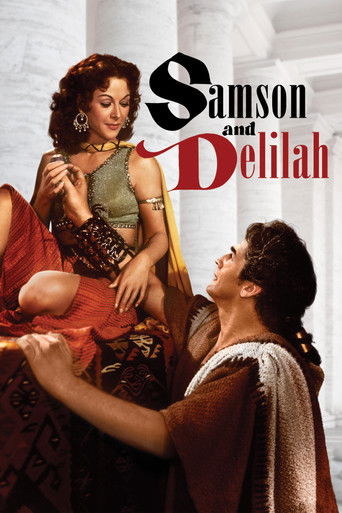
Sansón y Dalila
Película · 1949 · Samson and Delilah
Adaptación del famoso relato bíblico del forzudo Sansón y la bella Dalila, ambientado en la Palestina del año 1000 A.C.

Sansón
Película · 2018 · Samson
Elegido. Traicionado. Redimido. “Sansón” se basa en la poderosa epopeya bíblica de un hombre elegido por Dios para liberar a Israel. Su fuerza sobrenatural y sus audaces decisiones lo enfrentaron enseguida contra el fiero imperio filisteo. Un viaje de pasión, traición y redención, que nos recuerda que los fracasos no determinan nuestro futuro.
Personajes de este libro
Preguntas para reflexionar
- ·¿Has vivido un ciclo parecido al de Jueces en tu propia vida—alejándote, siendo oprimido, clamando y volviendo? ¿Dónde ha mostrado el Señor su liberación?
- ·¿Cómo te llevan la debilidad y la incompletitud de los jueces a mirar a Cristo, el Salvador y Mediador perfecto?
- ·Cuando el texto dice "En aquellos días no había rey en Israel; cada uno hacía lo que bien le parecía" (Jue 21:25), ¿quién reina hoy en tu corazón? ¿Qué dirige verdaderamente tus decisiones?
- ·¿Qué revela la petición doble de señal por parte de Gedeón (Jue 6:36-40) sobre la fe? ¿Cómo equilibras tú la confianza y la certeza?
- ·Los dos apéndices (Jue 17-18; 19-21) exponen decadencia espiritual más que liberación—¿qué advertencias te plantean?
¿Quieres leer Jueces de principio a fin? Abre el lector con texto paralelo en chino e inglés y pregunta lo que necesites en el camino.
Empezar a leer JuecesJueces
Capítulo 1
- 1.Aconteció después de la muerte de Josué, que los hijos de Israel consultaron a Jehová, diciendo: ¿Quién de nosotros subirá primero a pelear contra los cananeos?And it came to pass after the death of Joshua, that the children of Israel asked of Jehovah, saying, Who shall go up for us first against the Canaanites, to fight against them?
- 2.Y Jehová respondió: Judá subirá; he aquí que yo he entregado la tierra en sus manos.And Jehovah said, Judah shall go up: behold, I have delivered the land into his hand.
- 3.Y Judá dijo a Simeón su hermano: Sube conmigo al territorio que se me ha adjudicado, y peleemos contra el cananeo, y yo también iré contigo al tuyo. Y Simeón fue con él.And Judah said unto Simeon his brother, Come up with me into my lot, that we may fight against the Canaanites; and I likewise will go with thee into thy lot. So Simeon went with him.
- 4.Y subió Judá, y Jehová entregó en sus manos al cananeo y al ferezeo; e hirieron de ellos en Bezec a diez mil hombres.And Judah went up; and Jehovah delivered the Canaanites and the Perizzites into their hand: and they smote of them in Bezek ten thousand men.
- 5.Y hallaron a Adoni-bezec en Bezec, y pelearon contra él; y derrotaron al cananeo y al ferezeo.And they found Adoni-bezek in Bezek; and they fought against him, and they smote the Canaanites and the Perizzites.
- 6.Mas Adoni-bezec huyó; y le siguieron y le prendieron, y le cortaron los pulgares de las manos y de los pies.But Adoni-bezek fled; and they pursued after him, and caught him, and cut off his thumbs and his great toes.
- 7.Entonces dijo Adoni-bezec: Setenta reyes, cortados los pulgares de sus manos y de sus pies, recogían las migajas debajo de mi mesa; como yo hice, así me ha pagado Dios. Y le llevaron a Jerusalén, donde murió.And Adoni-bezek said, Threescore and ten kings, having their thumbs and their great toes cut off, gathered their food under my table: as I have done, so God hath requited me. And they brought him to Jerusalem, and he died there.
- 8.Y combatieron los hijos de Judá a Jerusalén y la tomaron, y pasaron a sus habitantes a filo de espada y pusieron fuego a la ciudad.And the children of Judah fought against Jerusalem, and took it, and smote it with the edge of the sword, and set the city on fire.
- 9.Después los hijos de Judá descendieron para pelear contra el cananeo que habitaba en las montañas, en el Neguev, y en los llanos.And afterward the children of Judah went down to fight against the Canaanites that dwelt in the hill-country, and in the South, and in the lowland.
- 10.Y marchó Judá contra el cananeo que habitaba en Hebrón, la cual se llamaba antes Quiriat-arba; e hirieron a Sesai, a Ahimán y a Talmai.And Judah went against the Canaanites that dwelt in Hebron (now the name of Hebron beforetime was Kiriath-arba); and they smote Sheshai, and Ahiman, and Talmai.
- 11.De allí fue a los que habitaban en Debir, que antes se llamaba Quiriat-sefer.And from thence he went against the inhabitants of Debir. (Now the name of Debir beforetime was Kiriath-sepher.)
- 12.Y dijo Caleb: El que atacare a Quiriat-sefer y la tomare, yo le daré Acsa mi hija por mujer.And Caleb said, He that smiteth Kiriath-sepher, and taketh it, to him will I give Achsah my daughter to wife.
- 13.Y la tomó Otoniel hijo de Cenaz, hermano menor de Caleb; y él le dio Acsa su hija por mujer.And Othniel the son of Kenaz, Caleb's younger brother, took it: and he gave him Achsah his daughter to wife.
- 14.Y cuando ella se iba con él, la persuadió que pidiese a su padre un campo. Y ella se bajó del asno, y Caleb le dijo: ¿Qué tienes?And it came to pass, when she came unto him, that she moved him to ask of her father a field: and she alighted from off her ass; and Caleb said unto her, What wouldest thou?
- 15.Ella entonces le respondió: Concédeme un don; puesto que me has dado tierra del Neguev, dame también fuentes de aguas. Entonces Caleb le dio las fuentes de arriba y las fuentes de abajo.And she said unto him, Give me a blessing; for that thou hast set me in the land of the South, give me also springs of water. And Caleb gave her the upper springs and the nether springs.
- 16.Y los hijos del ceneo, suegro de Moisés, subieron de la ciudad de las palmeras con los hijos de Judá al desierto de Judá, que está en el Neguev cerca de Arad; y fueron y habitaron con el pueblo.And the children of the Kenite, Moses' brother-in-law, went up out of the city of palm-trees with the children of Judah into the wilderness of Judah, which is in the south of Arad; and they went and dwelt with the people.
- 17.Y fue Judá con su hermano Simeón, y derrotaron al cananeo que habitaba en Sefat, y la asolaron; y pusieron por nombre a la ciudad, Horma.And Judah went with Simeon his brother, and they smote the Canaanites that inhabited Zephath, and utterly destroyed it. And the name of the city was called Hormah.
- 18.Tomó también Judá a Gaza con su territorio, Ascalón con su territorio y Ecrón con su territorio.Also Judah took Gaza with the border thereof, and Ashkelon with the border thereof, and Ekron with the border thereof.
- 19.Y Jehová estaba con Judá, quien arrojó a los de las montañas; mas no pudo arrojar a los que habitaban en los llanos, los cuales tenían carros herrados.And Jehovah was with Judah; and drove out the inhabitants of the hill-country; for he could not drive out the inhabitants of the valley, because they had chariots of iron.
- 20.Y dieron Hebrón a Caleb, como Moisés había dicho; y él arrojó de allí a los tres hijos de Anac.And they gave Hebron unto Caleb, as Moses had spoken: and he drove out thence the three sons of Anak.
- 21.Mas al jebuseo que habitaba en Jerusalén no lo arrojaron los hijos de Benjamín, y el jebuseo habitó con los hijos de Benjamín en Jerusalén hasta hoy.And the children of Benjamin did not drive out the Jebusites that inhabited Jerusalem; but the Jebusites dwell with the children of Benjamin in Jerusalem unto this day.
- 22.También la casa de José subió contra Bet-el; y Jehová estaba con ellos.And the house of Joseph, they also went up against Beth-el; and Jehovah was with them.
- 23.Y la casa de José puso espías en Bet-el, ciudad que antes se llamaba Luz.And the house of Joseph sent to spy out Beth-el. (Now the name of the city beforetime was Luz.)
- 24.Y los que espiaban vieron a un hombre que salía de la ciudad, y le dijeron: Muéstranos ahora la entrada de la ciudad, y haremos contigo misericordia.And the watchers saw a man come forth out of the city, and they said unto him, Show us, we pray thee, the entrance into the city, and we will deal kindly with thee.
- 25.Y él les mostró la entrada a la ciudad, y la hirieron a filo de espada; pero dejaron ir a aquel hombre con toda su familia.And he showed them the entrance into the city; and they smote the city with the edge of the sword; but they let the man go and all his family.
- 26.Y se fue el hombre a la tierra de los heteos, y edificó una ciudad a la cual llamó Luz; y este es su nombre hasta hoy.And the man went into the land of the Hittites, and built a city, and called the name thereof Luz, which is the name thereof unto this day.
- 27.Tampoco Manasés arrojó a los de Bet-seán, ni a los de sus aldeas, ni a los de Taanac y sus aldeas, ni a los de Dor y sus aldeas, ni a los habitantes de Ibleam y sus aldeas, ni a los que habitan en Meguido y en sus aldeas; y el cananeo persistía en habitar en aquella tierra.And Manasseh did not drive out the inhabitants of Beth-shean and its towns, nor of Taanach and its towns, nor the inhabitants of Dor and its towns, nor the inhabitants of Ibleam and its towns, nor the inhabitants of Megiddo and its towns; but the Canaanites would dwell in that land.
- 28.Pero cuando Israel se sintió fuerte hizo al cananeo tributario, mas no lo arrojó.And it came to pass, when Israel was waxed strong, that they put the Canaanites to taskwork, and did not utterly drive them out.
- 29.Tampoco Efraín arrojó al cananeo que habitaba en Gezer, sino que habitó el cananeo en medio de ellos en Gezer.And Ephraim drove not out the Canaanites that dwelt in Gezer; but the Canaanites dwelt in Gezer among them.
- 30.Tampoco Zabulón arrojó a los que habitaban en Quitrón, ni a los que habitaban en Naalal, sino que el cananeo habitó en medio de él, y le fue tributario.Zebulun drove not out the inhabitants of Kitron, nor the inhabitants of Nahalol; but the Canaanites dwelt among them, and became subject to taskwork.
- 31.Tampoco Aser arrojó a los que habitaban en Aco, ni a los que habitaban en Sidón, en Ahlab, en Aczib, en Helba, en Afec y en Rehob.Asher drove not out the inhabitants of Acco, nor the inhabitants of Sidon, nor of Ahlab, nor of Achzib, nor of Helbah, nor of Aphik, nor of Rehob;
- 32.Y moró Aser entre los cananeos que habitaban en la tierra; pues no los arrojó.but the Asherites dwelt among the Canaanites, the inhabitants of the land; for they did not drive them out.
- 33.Tampoco Neftalí arrojó a los que habitaban en Bet-semes, ni a los que habitaban en Bet-anat, sino que moró entre los cananeos que habitaban en la tierra; mas le fueron tributarios los moradores de Bet-semes y los moradores de Bet-anat.Naphtali drove not out the inhabitants of Beth-shemesh, nor the inhabitants of Beth-anath; but he dwelt among the Canaanites, the inhabitants of the land: nevertheless the inhabitants of Beth-shemesh and of Beth-anath became subject to taskwork.
- 34.Los amorreos acosaron a los hijos de Dan hasta el monte, y no los dejaron descender a los llanos.And the Amorites forced the children of Dan into the hill-country; for they would not suffer them to come down to the valley;
- 35.Y el amorreo persistió en habitar en el monte de Heres, en Ajalón y en Saalbim; pero cuando la casa de José cobró fuerzas, lo hizo tributario.but the Amorites would dwell in mount Heres, in Aijalon, and in Shaalbim: yet the hand of the house of Joseph prevailed, so that they became subject to taskwork.
- 36.Y el límite del amorreo fue desde la subida de Acrabim, desde Sela hacia arriba.And the border of the Amorites was from the ascent of Akrabbim, from the rock, and upward.